
 Based on 1,000+ Reviews!
Your Furnace Is Making That Noise Again. Now What?
Look, you’ve heard it before. That little rattle. That click-click-click when the furnace kicks on.
Maybe you’ve been ignoring it, hoping it goes away on its own. Here’s the thing — it usually doesn’t.
If you’re on a fixed income, the idea of calling an HVAC company can feel scary. Will they try to sell you a whole new furnace when all you needed was a $150 tune-up? Will they use confusing words to justify a bigger bill? Sound familiar?
You’re not alone in feeling this way. A lot of homeowners, especially folks who’ve been in their houses for decades, feel burned by pushy sales tactics from past repair visits. That frustration is real, and it’s fair.
This guide breaks down what furnace maintenance actually involves, what it should cost, and how to make sure the person who walks through your door is someone you can trust. No jargon. No scare tactics. Just the facts, explained simply.
Why Furnace Maintenance Matters More As Your System Ages
Furnaces don’t fail overnight. They wear down slowly, one heating season at a time.
A furnace that’s 10, 15, or even 20 years old works harder than it used to. Dust builds up. Parts loosen. Small problems that would’ve taken five minutes to fix start turning into expensive breakdowns.
Here’s what matters: regular maintenance catches those small problems early. It’s a lot like getting your car’s oil changed. Skip it long enough, and eventually something breaks that costs way more to repair.
The Real Cost of Skipping a Tune-Up
An untuned furnace burns more fuel to produce the same amount of heat. That shows up on your gas bill every single month, quietly draining your budget.
But there’s a bigger risk, too. Furnaces that aren’t maintained are more likely to break down completely — usually during the coldest week of the year, of course, because that’s just how these things go.
A cracked heat exchanger, a clogged filter, a failing ignitor — these are the kinds of issues a maintenance visit is designed to catch before they turn into a freezing house and an emergency repair bill.
What Actually Happens During a Furnace Maintenance Visit
You might feel overwhelmed trying to figure out what you’re even paying for. That’s understandable. A lot of companies aren’t clear about it.
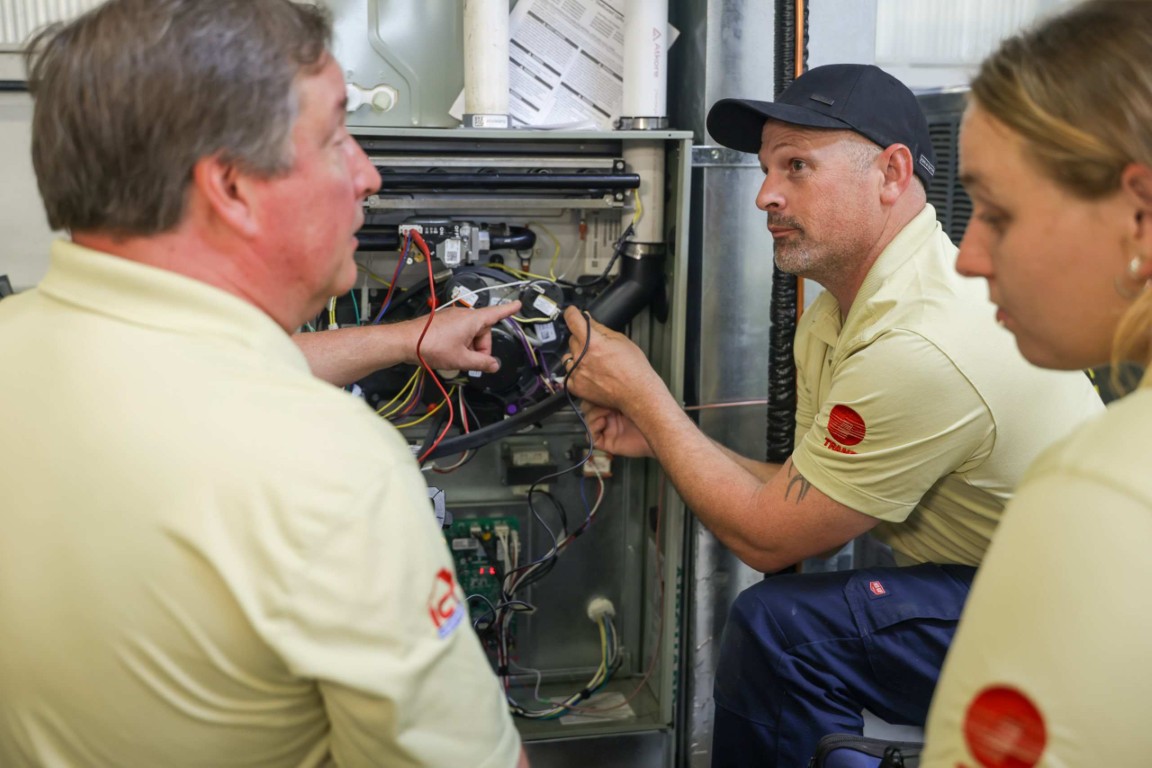
A proper furnace maintenance visit isn’t just someone glancing at your unit and nodding. It involves checking the heat exchanger for cracks, testing the ignition system, cleaning the burners, checking gas pressure, inspecting the blower motor, and testing your thermostat’s accuracy.
Here’s a quick look at what a homeowner can check versus what needs a certified technician.
| Task | Can a Homeowner Do This? | Needs a Certified Technician |
|---|---|---|
| Replace air filter | Yes, every 1–3 months | — |
| Clear vents and registers | Yes | — |
| Inspect heat exchanger for cracks | No | Yes — safety risk |
| Test carbon monoxide levels | No | Yes |
| Clean burners and ignitor | No | Yes |
| Check gas pressure and connections | No | Yes |
| Test blower motor and belts | No | Yes |
| Calibrate thermostat | Sometimes | Recommended |
This doesn’t work if you’re trying to skip professional inspection entirely. Changing your filter regularly helps, but it can’t catch a cracked heat exchanger, which is a genuine safety hazard tied to carbon monoxide exposure. That part isn’t optional.
Who’s Really Coming Into Your Home? Why That Matters
Let’s be honest about something most companies won’t say out loud. You’re letting a stranger into your house, often when you’re home alone, and trusting them with a piece of equipment you don’t fully understand.
That’s not a small thing. It’s frustrating when a company treats it like it is.
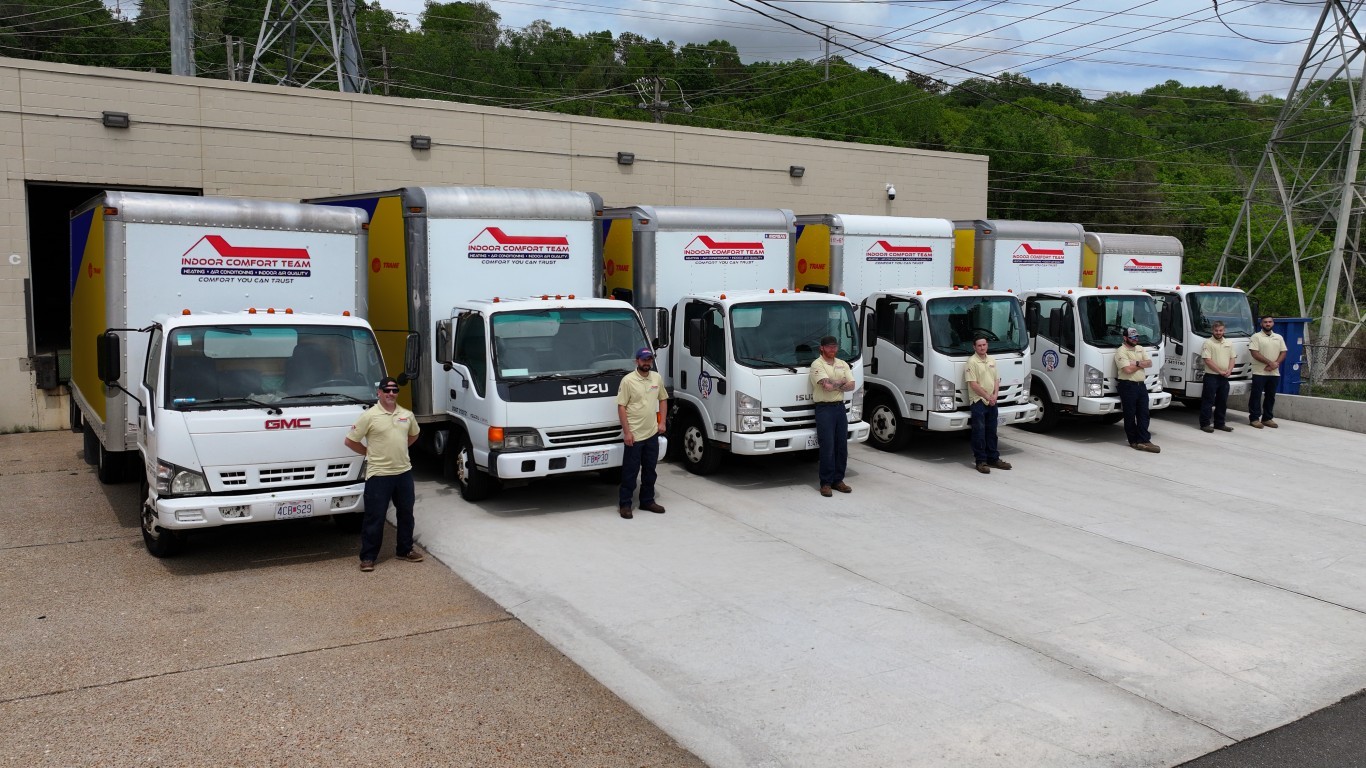
At Indoor Comfort Team, every technician goes through a full background check before they’re ever sent to a customer’s home. On top of that, technicians are NATE-certified, which is the industry’s recognized standard for HVAC competency, and the company is a Trane Comfort Specialist dealer, a distinction not every contractor earns.
Why bring this up? Because “trusted since 1979” doesn’t mean much on its own. What matters is proof — background checks, real certifications, and a team that’s been independently, family-owned in the St. Louis area for over 45 years. Not a franchise. Not a call center. A local business where the people answering the phone actually know the technicians they’re sending out.
No-Surprise Pricing: What Furnace Maintenance Should Cost
Here’s what a lot of homeowners really want to know, and what most companies dance around: what’s this actually going to cost me?
Furnace maintenance visits typically run in a predictable range, and a company that’s confident in its pricing should be willing to tell you that range before a technician ever steps foot in your home. If a business won’t give you a straight answer over the phone, that’s worth noticing.
Indoor Comfort Team offers an instant online estimate tool, so you can get a real number before you even pick up the phone. Combined with 0% financing for up to 72 months on larger repairs, there’s no reason pricing should feel like a mystery or a moving target.
The exception is when a technician finds something during the inspection that genuinely needs attention beyond routine maintenance. But here’s what matters — a trustworthy company explains that clearly, shows you the issue, and gives you options. It doesn’t pressure you into a decision on the spot.
A Relationship, Not a One-Time Fix
Want to know the secret that most HVAC companies won’t tell you? The best way to avoid expensive furnace problems isn’t a single visit. It’s a routine.
That’s the idea behind a maintenance plan like the VIP Club. Instead of calling around every time something feels off, you have a standing appointment, priority scheduling when something does go wrong, and a company that already knows your system’s history.
Think of it less like a discount coupon and more like a comfort partnership. It’s the difference between starting from scratch every single time and having someone who already knows your furnace, your home, and what “normal” sounds like for your specific system.
For a senior homeowner watching every dollar, that consistency is worth something. It’s one less thing to worry about, and one less unexpected bill to brace for.
Frequently Asked Questions
How often should I schedule furnace maintenance? Most manufacturers and technicians recommend once a year, ideally in early fall before cold weather sets in. Waiting until the first freeze often means longer wait times and a higher chance of an emergency breakdown.
Is furnace maintenance really worth the cost if my furnace seems fine? Yes. Many furnace problems, like a cracked heat exchanger or a carbon monoxide leak, don’t produce obvious warning signs until it’s serious. A yearly check catches issues while they’re still small and inexpensive to fix.
Will a technician try to sell me a new furnace during maintenance? A trustworthy technician will only recommend replacement if your system genuinely can’t be safely or cost-effectively repaired, and they should explain exactly why. If a company pushes a full replacement without a clear explanation, get a second opinion.
What’s the difference between a furnace tune-up and a repair? A tune-up is preventative — cleaning, testing, and inspecting your system to catch problems early. A repair happens after something has already broken. Regular tune-ups are what reduce how often you need repairs in the first place.
The Bottom Line on Furnace Maintenance
Furnace maintenance isn’t complicated, and it shouldn’t feel intimidating. It comes down to three things: catching small problems early, knowing exactly what you’re paying for, and trusting the person who walks through your door.
You deserve straight answers, fair pricing, and technicians who’ve actually been vetted, not just a badge on a website. That’s the whole point of comfort you can verify.
If your furnace has been making that noise, don’t wait for it to get worse. Schedule your furnace maintenance visit today and see what straightforward, no-pressure HVAC service actually feels like.