 Based on 1,000+ Reviews!
Your Furnace Broke At The Worst Possible Time (Sound Familiar?)
Picture this. It’s a Tuesday morning. Everyone’s rushing out the door, lunches half-packed, and suddenly the house feels… cold. Really cold.
Look, furnace problems never wait for a convenient moment. They show up during the school week, right before a big work presentation, or on the one weekend you finally had plans. If you’re running a dual-income household, you don’t have time to sit around waiting for a repair van that “should arrive sometime between 8 and 5.”
Here’s the thing: most furnace breakdowns don’t come out of nowhere. They build up slowly, from small issues that regular furnace maintenance would have caught months earlier. In this guide, we’ll walk through what furnace maintenance actually involves, why it matters more than people think, and how to get it done without blowing up your family’s schedule. We’ll also cover what a trustworthy technician visit should look like, because let’s be honest, letting a stranger into your home is its own kind of stressful.
Why Furnace Maintenance Matters More Than You’d Think
A furnace is one of those things nobody thinks about until it stops working. Then it’s the only thing anyone can think about.
Regular furnace maintenance isn’t just about avoiding a cold house. It’s about protecting your family’s safety, your wallet, and honestly, your peace of mind. A neglected furnace can leak carbon monoxide, a genuinely dangerous problem that a simple annual check would usually catch early. It’s frightening to think about, but it’s also completely preventable.
There’s a financial angle too. A furnace that’s never been serviced works harder than it needs to, which drives up your energy bill month after month. Small, ignored issues also tend to snowball into expensive repairs. What could’ve been a $150 tune-up sometimes turns into an $1,800 repair bill. That’s not a guess. That’s just how mechanical systems behave when nobody checks on them.
The Real Cost Of Skipping It
Let’s talk numbers for a second, because vague warnings don’t help anyone plan.
A basic furnace tune-up typically costs far less than an emergency repair, and dramatically less than a full replacement. Emergency calls also tend to cost more simply because they’re, well, emergencies. Nobody negotiates calmly when their house is 52 degrees at 6 a.m.
This doesn’t work if your furnace is already at the end of its life, of course. In that case, maintenance can only do so much. But for most systems under 15 years old, consistent care genuinely extends how long the unit lasts.
What Actually Happens During A Furnace Maintenance Visit
You might feel a little in the dark about what you’re even paying for during a tune-up. That’s fair. A lot of companies aren’t specific about it, and vague service descriptions make it hard to trust what you’re being told.
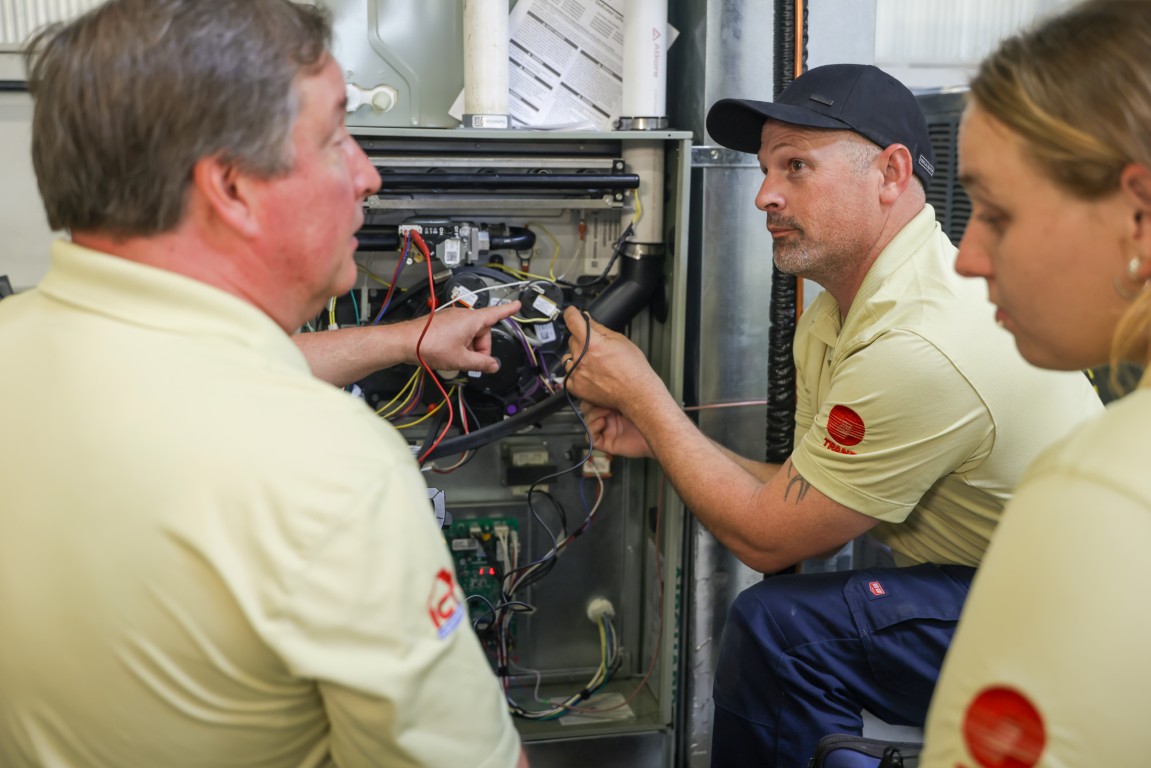
A thorough furnace maintenance visit generally includes checking the heat exchanger for cracks, testing the ignition system, inspecting and cleaning the burners, checking gas pressure, replacing or cleaning the air filter, and testing the thermostat and safety controls. A technician should also check your carbon monoxide levels directly, not just glance at the unit and call it good.
Here’s what matters: the value of this visit depends entirely on who’s doing it. A rushed 15-minute “filter swap and go” isn’t the same as a real inspection. That’s why Indoor Comfort Team sends NATE-certified technicians who’ve also completed our internal ICT Certification Program, on top of standard licensing. It’s an extra layer most companies skip. Every technician is background-checked before they ever knock on your door, because who’s standing in your hallway matters just as much as how fast they got there.
DIY Checks Vs. Professional Furnace Maintenance
Some upkeep you can absolutely handle yourself. Other parts really do need a trained eye. Here’s how that breaks down.
| Task | Can You DIY It? | Why It Matters |
|---|---|---|
| Replacing the air filter | Yes, monthly to quarterly | Clogged filters restrict airflow and strain the system |
| Clearing vents and registers | Yes | Blocked airflow makes the furnace work harder |
| Checking the heat exchanger | No | Cracks can leak carbon monoxide and aren’t visible without tools |
| Testing gas pressure | No | Requires calibrated equipment and licensing |
| Inspecting electrical connections | No | Loose wiring is a fire risk if handled incorrectly |
| Full system safety inspection | No | Needs certified training to catch hidden failures |
Changing a filter is simple, and honestly, you should be doing it more often than you probably are. But the safety-critical stuff needs a professional. There’s no shortcut around that, and any company telling you otherwise is cutting corners.

Scheduling Without Disrupting Your Whole Week
This is probably the part that matters most to you, and we get it. You don’t have a free afternoon to sit around waiting for a technician who might show up whenever.
The good news? Furnace maintenance doesn’t have to eat your whole day. A standard tune-up usually takes about 60 to 90 minutes. That’s shorter than most kids’ soccer practices. Booking ahead through an instant online estimate tool also means you’re not stuck playing phone tag during your lunch break trying to nail down a time.
Want to know the real secret to painless scheduling? Get on a maintenance plan before something breaks. Reactive scheduling, calling only after something’s already wrong, is when appointments get tight and stressful. Being proactive means you pick the day, not the emergency.
Why A Maintenance Plan Beats One-Off Visits
A single tune-up helps. A maintenance plan changes the whole relationship.
Indoor Comfort Team’s VIP Club isn’t just a discount add-on. Think of it less like a maintenance plan and more like an ongoing comfort partnership. Members get priority scheduling, which matters enormously when the first cold snap hits and everyone else is suddenly calling at once. You’re not competing with the entire neighborhood for a same-week appointment.
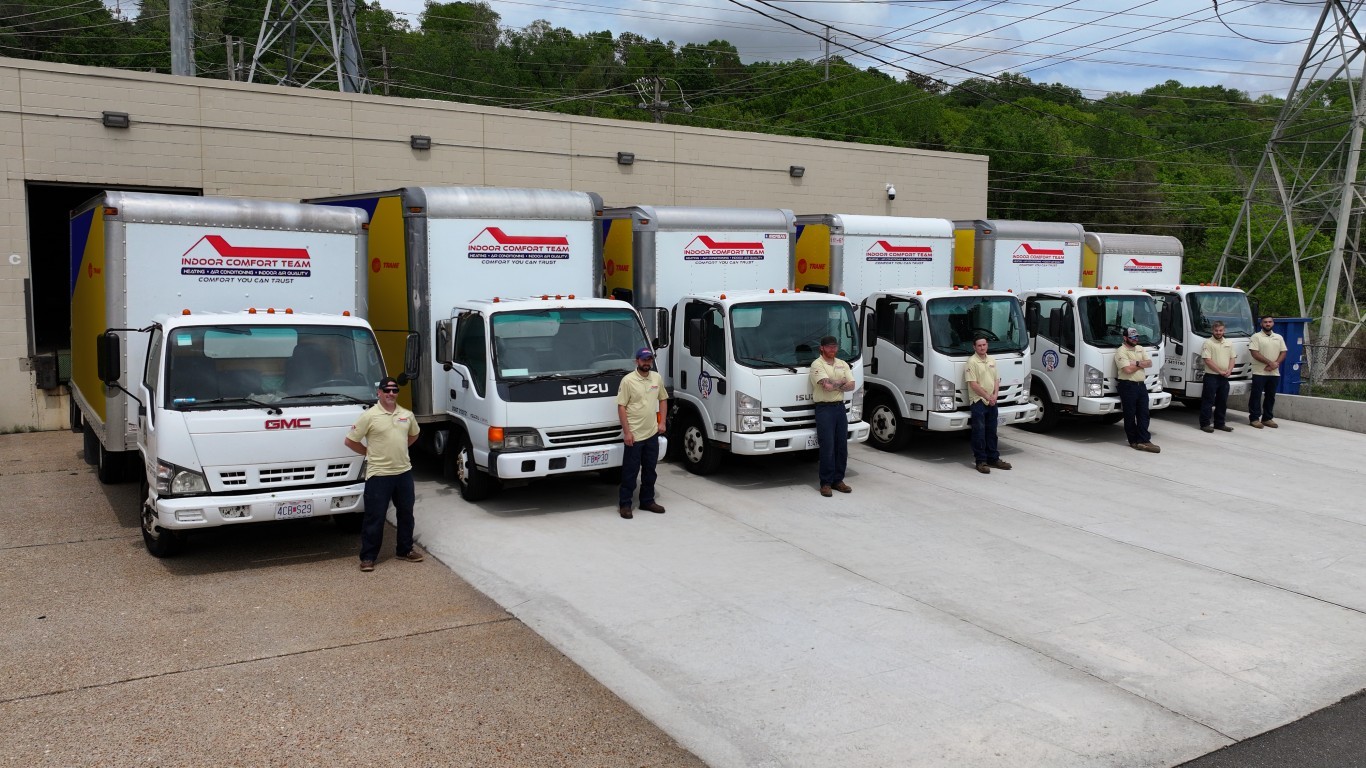
It’s frustrating when a company treats you like a ticket number instead of a person they actually know. As a family-owned, independent business serving the St. Louis metro since 1979, we’re not a national call center shuffling you between departments. There’s real accountability behind every visit, because it’s our name on the truck, not a franchise logo.
What To Expect Cost-Wise (No Surprises)
Nobody likes calling a company just to find out what something costs. That “call for pricing” game wastes time you don’t have.
Furnace maintenance pricing should be straightforward. A standard tune-up is a modest, predictable cost, and if additional repairs are needed, you should get a clear explanation and an upfront number before any work begins. Financing options, including 0% financing up to 72 months, exist specifically so a bigger repair doesn’t have to derail your family’s budget in one shot.
The exception here is if hidden damage turns up mid-inspection, like a cracked heat exchanger. In that case, pricing shifts because the scope of work genuinely changes. But you should always be told why, in plain language, before anyone touches anything further.
Signs Your Furnace Needs Attention Now
Some problems can wait for your next scheduled visit. Others really can’t.
Watch for a burning smell, strange banging or rattling noises, a pilot light that’s yellow instead of blue, uneven heating between rooms, or a spike in your gas bill with no clear reason. Any one of these is worth a call sooner rather than later. It’s easy to brush off a weird noise when life is busy, but that noise is usually your furnace’s version of raising its hand.
If you smell gas at all, leave the house and call your gas company immediately, then reach out to an HVAC professional. That’s not a maintenance issue anymore. That’s an emergency, full stop.
Frequently Asked Questions
How often should furnace maintenance be scheduled? Once a year is the standard recommendation, ideally in early fall before the heating season really kicks in. Homes with pets or allergy concerns sometimes benefit from a mid-season filter check too.
How long does a furnace maintenance appointment take? Most tune-ups take between 60 and 90 minutes, depending on the system’s age and whether any issues turn up during inspection.
Is furnace maintenance worth it for a newer system? Yes. Even new furnaces benefit from annual checks, since manufacturer warranties often require documented maintenance to stay valid. Skipping it can accidentally void coverage you’re already paying for.
What’s the difference between furnace maintenance and a furnace repair? Maintenance is preventive, catching small issues before they grow. Repair happens after something has already failed. Regular maintenance is what keeps you out of repair territory in the first place.
The Bottom Line On Keeping Your Family Warm
Furnace maintenance isn’t glamorous. Nobody’s throwing a party over a clean heat exchanger. But it’s one of those quiet, unsexy habits that protects your family, your budget, and your sanity all at once.
Here’s what to remember: small annual checkups prevent big, expensive breakdowns. Who performs the maintenance matters just as much as whether it happens at all. And scheduling doesn’t have to be a headache when you work with a company that actually respects your time.
If it’s been more than a year since your furnace has been checked, don’t wait for that cold Tuesday morning to find out something’s wrong. Get your furnace maintenance scheduled through Indoor Comfort Team’s instant online estimate tool, or ask about joining the VIP Club so you never have to think about timing again.