 Based on 1,000+ Reviews!
Is Your Furnace Trying to Tell You Something?
Look, that clunking sound your furnace makes every time it kicks on? It’s not nothing. Maybe you’ve been ignoring it for weeks, telling yourself it’ll probably be fine. Here’s the thing — furnaces don’t usually fail all at once. They drop hints first.
If you’re a homeowner staring down an aging furnace, you’re probably wrestling with one big question: do you fix it, or do you replace it? That’s a real dilemma, and it’s an expensive one to get wrong. This guide walks you through what furnace maintenance actually involves, what warning signs matter, and how to make the repair-versus-replace call without guessing.
By the end, you’ll know exactly what a proper maintenance visit should include, what it costs to ignore it, and when it’s time to stop pouring money into an old system.
Why Furnace Maintenance Matters More Than You Think
Most people treat furnace maintenance like flossing. They know they should do it. They just… don’t, until something hurts.
But skipping maintenance isn’t a neutral choice. It’s an active decision that shortens your furnace’s life and quietly drives up your energy bills. A dirty, neglected furnace works harder to do the same job. That means higher bills every single month, not just a bigger repair bill later.
Here’s what regular maintenance actually protects:
Your furnace has dozens of small parts that all depend on each other. A clogged filter strains the blower motor. A cracked heat exchanger can leak carbon monoxide into your home. These aren’t dramatic, movie-style disasters — they’re slow, boring problems that build up until one day they’re not boring anymore.
The Real Cost of Skipping It
Want to know the uncomfortable math? A basic annual tune-up typically costs far less than a single emergency repair. Furnaces that go unmaintained for years often need major component replacements — blower motors, igniters, heat exchangers — years before they should.
This doesn’t work if your furnace is already past 15 years old and showing multiple failure signs at once. At that point, maintenance can only do so much. We’ll get to that decision point shortly.
What Happens During a Furnace Maintenance Visit
You might feel a little in the dark about what you’re actually paying for during a tune-up. Fair enough — a lot of companies aren’t specific about it.
A thorough furnace maintenance visit should include:
Inspecting and cleaning the burner assembly, checking the heat exchanger for cracks or corrosion, testing the ignition system, replacing or cleaning the air filter, checking thermostat calibration, inspecting electrical connections, lubricating moving parts, and testing carbon monoxide levels near the unit.
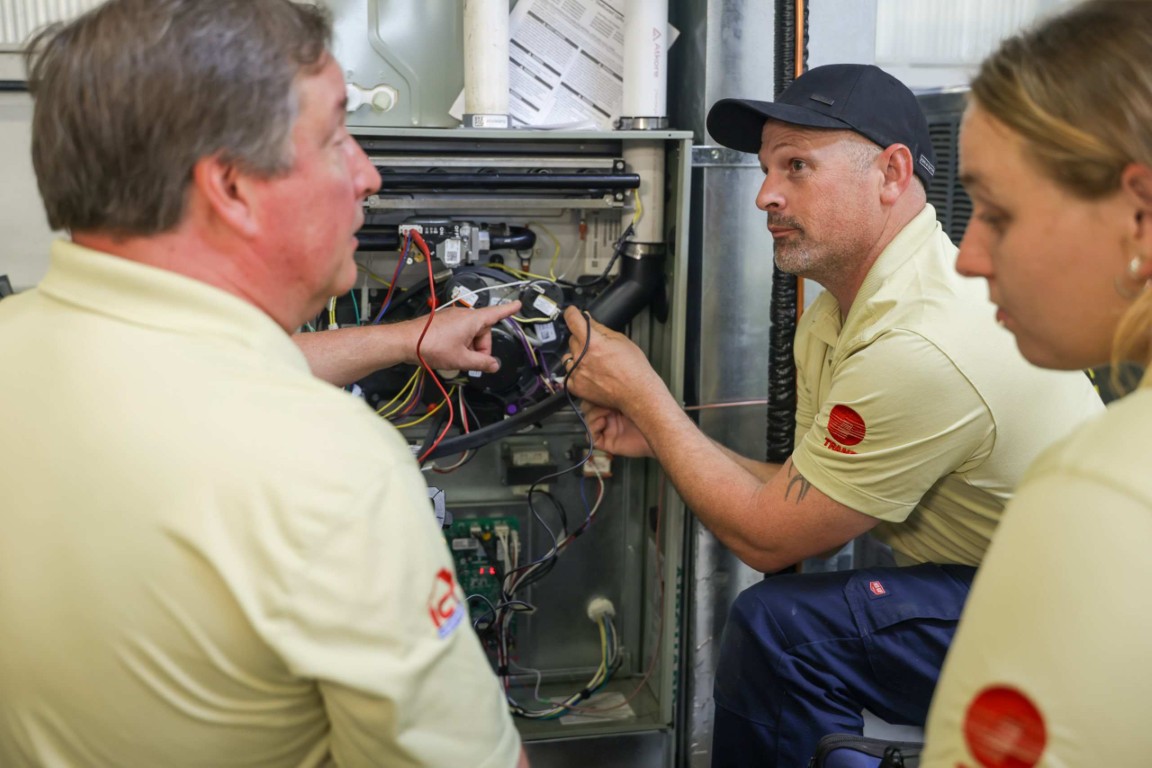
That’s not a quick once-over. It’s a full diagnostic, and it should take a trained technician real time to do properly. If a visit takes ten minutes and ends with “looks good,” that’s a red flag, not good news.
Signs Your Furnace Needs Attention Now
Sound familiar? Your energy bills have crept up, but you can’t explain why. The furnace short-cycles, turning on and off more than it used to. You notice a burning smell the first few times it runs each fall. Rooms in your house heat unevenly, no matter how you adjust the thermostat.
Any one of these alone might be minor. Several together? That’s your furnace asking for help before it demands a bigger, costlier fix.
Repair or Replace: The Decision Homeowners Dread
This is the question that actually keeps people up at night. You’ve got a furnace that’s getting older, it just broke down again, and now you’re standing in your basement wondering if you’re about to throw good money after bad.
Here’s a framework that cuts through the guessing.
| Factor | Lean Toward Repair | Lean Toward Replace |
|---|---|---|
| Furnace age | Under 10 years | Over 15 years |
| Repair cost | Less than 30% of a new unit’s cost | Repair quote near half the cost of replacement |
| Frequency of breakdowns | First issue in years | Second or third repair this season |
| Energy bills | Stable | Steadily rising despite maintenance |
| Efficiency rating | AFUE 90%+ | AFUE below 80% |
| Comfort issues | Isolated to one room | Uneven heating throughout the home |
Notice that age alone doesn’t decide it. A well-maintained 12-year-old furnace with one minor issue is usually worth repairing. A poorly maintained 16-year-old furnace with a cracked heat exchanger is a safety issue, not just an efficiency one, and that’s a different conversation entirely.
The Exception That Changes Everything
The exception is safety. If a technician finds a cracked heat exchanger or elevated carbon monoxide readings, the repair-versus-replace math stops being about dollars. That furnace needs to be addressed immediately, full stop. No amount of “but it’s only 8 years old” changes that.
This is exactly where who’s doing your inspection matters just as much as what they find. A rushed, unlicensed inspection might miss a hairline crack that a NATE-certified technician catches on sight. That’s not a small difference. It’s the difference between a safe winter and a genuinely dangerous one.
Why the Technician Matters as Much as the Tune-Up
Here’s something most furnace maintenance guides skip entirely: the quality of your maintenance visit depends almost completely on who’s holding the wrench.
It’s frustrating when you can’t personally verify whether the person in your basement actually knows what they’re looking at. You’re not an HVAC expert. You’re trusting a stranger’s judgment on something that affects your family’s safety and your biggest seasonal expense.
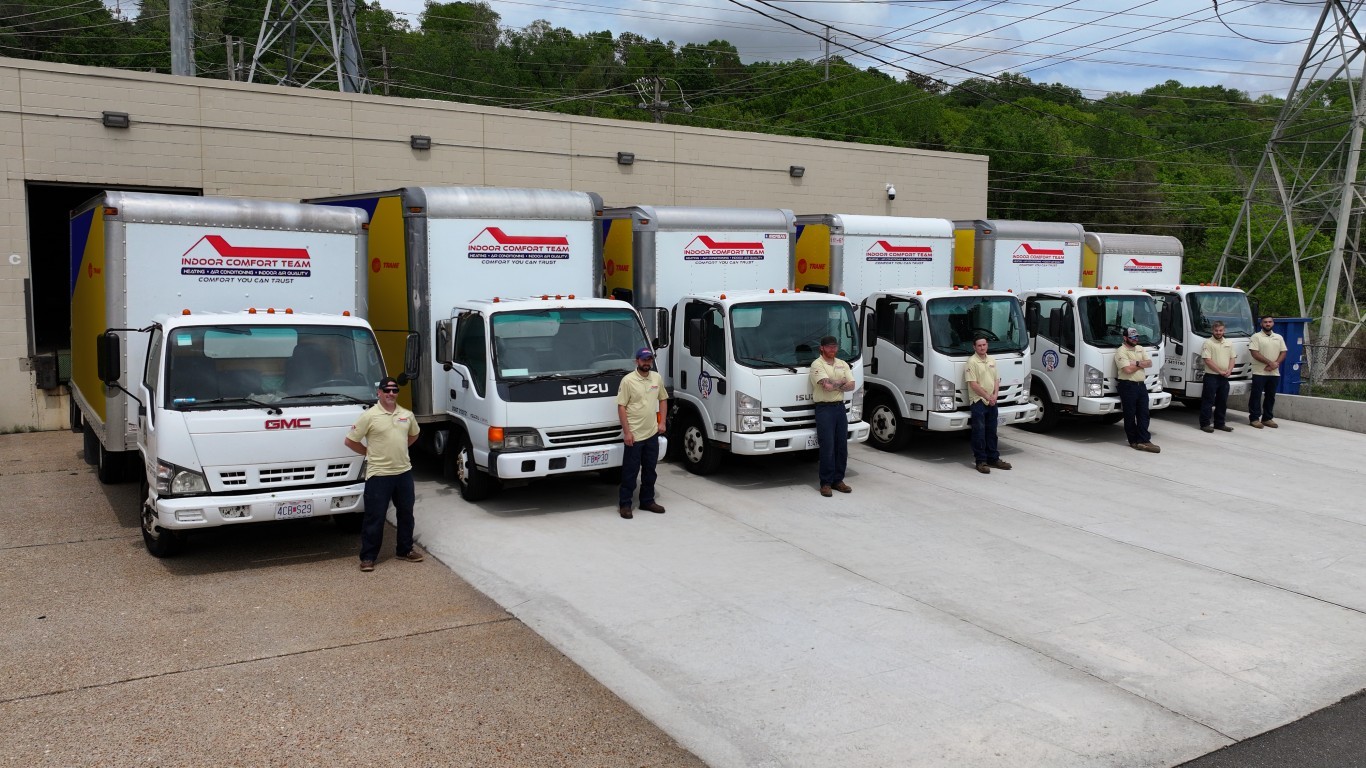
That’s exactly why background checks, NATE certification, and layered training standards aren’t just resume filler. At Indoor Comfort Team, every technician is background-checked and certified before they ever knock on your door — because who shows up at your house matters as much as how fast they get there. This family-owned company has been independently run in the St. Louis area since 1979, which means you’re working with a local team that answers to your neighborhood, not a national call center.
If you want the specifics on what’s included and what it costs, Indoor Comfort Team’s furnace repair page lays out pricing upfront, without the “call to find out” runaround.
Turning Maintenance Into a Habit, Not an Emergency
Here’s the thing about furnace maintenance: it works best when it’s boring and routine, not urgent and reactive. Waiting for a breakdown to think about your furnace is like waiting for a cavity to think about the dentist.
An annual visit before heating season starts catches small issues while they’re still small and cheap. It’s a relief, honestly, to stop wondering if this is the winter your furnace finally gives out.
This is part of why ongoing maintenance plans exist — not as an upsell, but as a genuine partnership. Indoor Comfort Team’s VIP Club membership builds priority scheduling and seasonal check-ups into one plan, so you’re not scrambling to find help during the first cold snap of the year, when every other homeowner in town is calling too.
When to Just Get an Estimate
If you’re already past the point of routine maintenance and you’re staring at a serious repair quote, it’s worth getting a second, honest opinion before committing. You can request one through the instant online estimate tool without waiting on a callback.
Frequently Asked Questions
How often should a furnace get professional maintenance? Once a year, ideally in early fall before the heating season starts. This catches wear and tear before cold weather forces the system to work at full capacity.
Can I do furnace maintenance myself? You can handle filter changes and keeping the area around the unit clear. But internal inspections — heat exchanger checks, carbon monoxide testing, electrical connections — require a trained technician with the right tools and certification.
What’s the average lifespan of a furnace? Most furnaces last 15 to 20 years with regular maintenance. Neglected systems often fail well before that, sometimes as early as year 10 or 12.
Is it worth repairing an old furnace one more time? It depends on the repair cost relative to replacement, the furnace’s age, and whether the issue is safety-related. A single, affordable repair on a furnace under 12 years old is usually worth it. Repeated repairs on a furnace past 15 years usually aren’t.
The Bottom Line on Furnace Maintenance
Furnace maintenance isn’t glamorous. It’s not exciting. But it’s the difference between a predictable, manageable expense and a freezing house on the coldest night of the year.
Pay attention to the signs — rising bills, short-cycling, uneven heat, strange smells. Get an annual inspection from someone whose credentials you can actually verify. And when the repair-versus-replace question comes up, weigh age, cost, and safety together, not just your gut feeling in the moment.
If your furnace has been making noises you’ve been ignoring, don’t wait for the first freeze to find out how serious it is. Schedule an inspection with Indoor Comfort Team and get a straight answer from a technician you can actually trust.