 Based on 1,000+ Reviews!
Nobody Handed You a Manual for This Furnace — Here’s What to Do
You just bought your first house. Congratulations — that’s huge.
But then winter creeps closer, and you notice something. There’s no folder of furnace paperwork. No sticky note that says “changed filter in October.” No idea how old that big metal box in the basement actually is.
Sound familiar?
Here’s the thing: most new homeowners inherit a furnace with zero history. The last owner didn’t leave notes. The inspection report might mention it works, but it probably didn’t say much else. You’re starting from scratch, and that’s genuinely stressful when the temperature drops and you’re depending on a machine you know nothing about.
This guide walks you through exactly what furnace maintenance means when you have no documentation to go on. You’ll learn what to check yourself, what only a professional should touch, how often maintenance should happen, and how to figure out the age and condition of a furnace you didn’t buy new. By the end, you’ll feel a lot less like you’re gambling every time you turn the heat on.
Why “No History” Is a Bigger Deal Than You Think
Let’s be honest about the risk here. A furnace with no maintenance record isn’t automatically broken. But you have no idea if it’s been serviced in one year or twelve.
That gap matters. Furnaces that go unmaintained don’t usually fail dramatically — they fail quietly, through worn parts, dirty components, or safety issues that build up slowly. A cracked heat exchanger, for example, doesn’t announce itself. It just sits there until it becomes a carbon monoxide risk.
This is frustrating for new buyers because you did everything right. You got the inspection. You closed the deal. But a general home inspection is not the same thing as an HVAC-specific tune-up, and that difference can catch people off guard.
The good news? A single inspection from a qualified technician can answer almost every question you have. It’s the fastest way to go from “total mystery” to “I actually know what I own.”
Step One: Find the Furnace’s Age and Basic Info
Before anyone touches a wrench, you need a starting point. Grab a flashlight and head to the furnace itself.
Look for a metal data plate, usually on the inside of the front panel or on the side of the unit. It lists the manufacturer, model number, and serial number. That serial number is your best clue — most manufacturers encode the production date right into it.
Write down everything on that plate. Take a photo with your phone, too, in case you need to reference it later or share it with a technician over the phone.
If the unit looks especially old, has visible rust, or the data plate is unreadable, don’t wait around. That’s a signal to get a professional set of eyes on it sooner rather than later.
Step Two: What You Can Safely Check Yourself
You don’t need HVAC training to do a few basic checks. In fact, these are things every homeowner should be doing regularly, documented history or not.
Check the air filter first. This is the single easiest thing to get wrong. A dirty filter restricts airflow, makes the furnace work harder, and can shorten its lifespan dramatically. If you can’t remember the last time it was changed, assume it needs changing now.
Look at the vents and registers. Walk through your house and make sure nothing is blocked by furniture, rugs, or boxes. Blocked airflow puts strain on the whole system, and it’s shockingly common in homes that just changed hands.
Listen for anything unusual. Banging, rattling, or a burning smell when it kicks on are not “wait and see” situations. Those are “call someone this week” situations.
Check the thermostat batteries and settings. It sounds too simple to matter, but a surprising number of “furnace is broken” calls turn out to be dead thermostat batteries or a programming issue.
This doesn’t work if your furnace shows any signs of gas odor, though — that’s an immediate call to your utility company and a technician, not a DIY moment. Safety first, always.

Step Three: What Should Only Be Done Professionally
Here’s where a lot of new homeowners either overdo it or underdo it. You might feel tempted to skip professional service to save money. Or you might feel nervous and want someone to check literally everything.
Both instincts are understandable. But professional furnace maintenance actually covers ground you can’t reach on your own, and it’s not optional if you want the system to run safely for years.
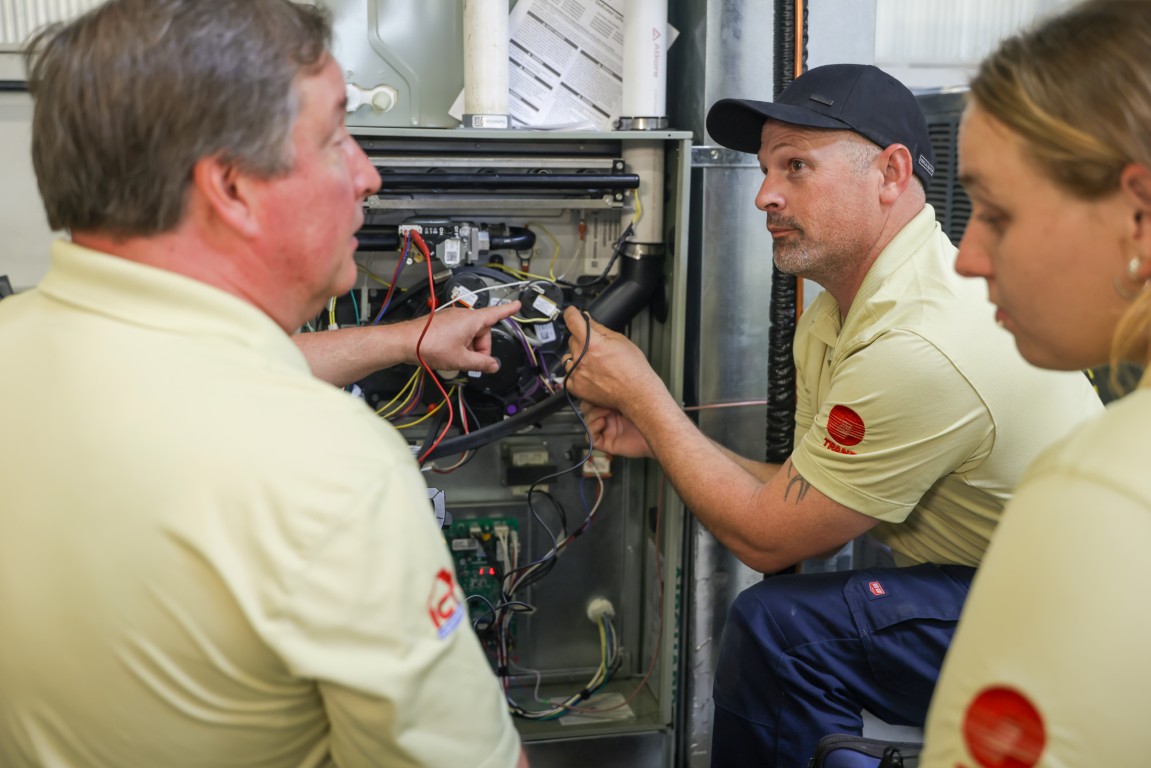
A proper maintenance visit typically includes inspecting the heat exchanger for cracks, testing carbon monoxide levels, checking gas pressure and burner combustion, lubricating moving parts, testing electrical connections, and inspecting the ductwork and venting for blockages or leaks.
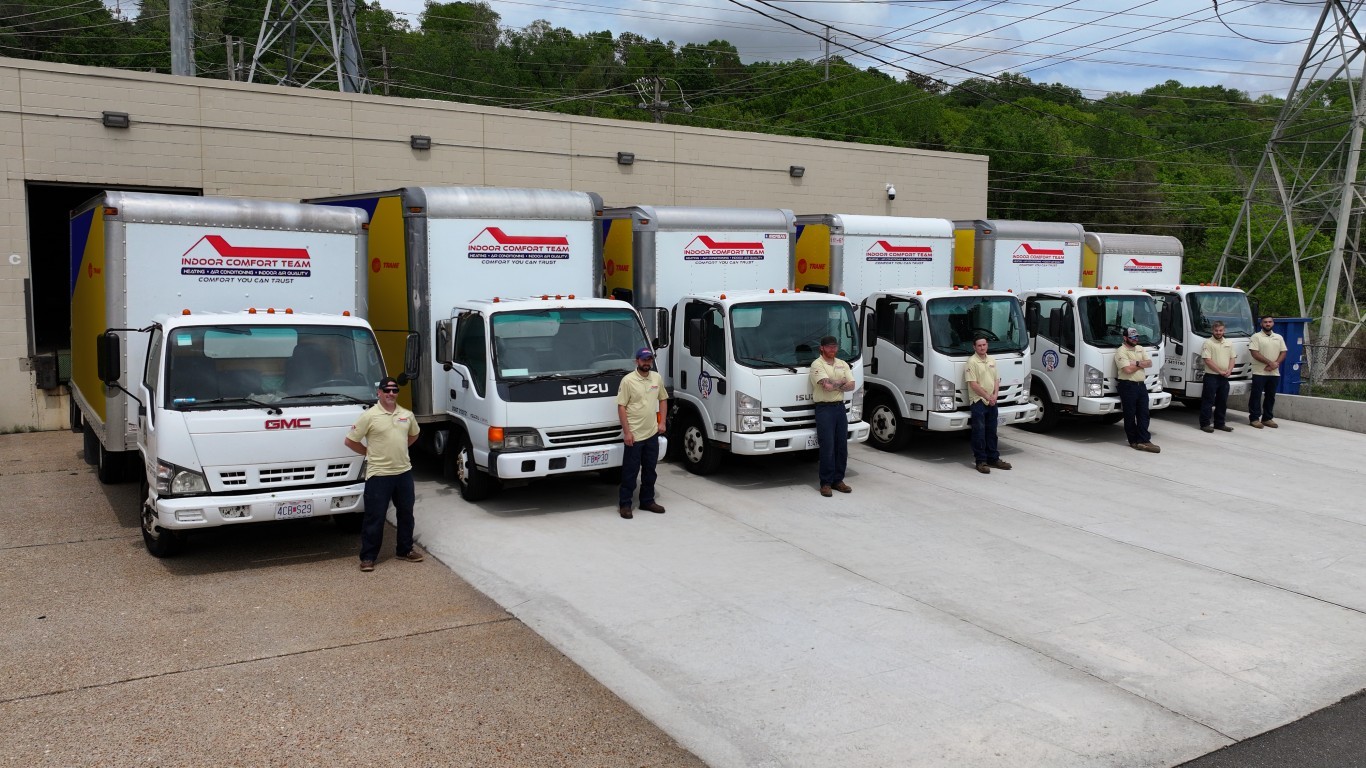
This is where the “verified technician” question actually matters most. You’re letting someone into your basement to inspect a combustion appliance. It’s worth knowing that person is background-checked and properly certified, not just quick with a screwdriver. At Indoor Comfort Team, every technician is NATE-certified and vetted before they ever knock on your door — because who’s doing the inspection matters just as much as what gets inspected.
How Often Should Furnace Maintenance Happen?
The general rule is once a year, ideally in early fall before the heating season starts. But “once a year” isn’t a magic number — it depends on a few factors.
| Situation | Recommended Maintenance Frequency | Why |
|---|---|---|
| New homeowner, no service history | Immediately, then annually | Establishes a baseline and catches hidden issues |
| Furnace is 10+ years old | Annually, minimum | Older units have more wear-prone parts |
| Furnace under 5 years old | Annually | Keeps warranty valid and efficiency high |
| Home has pets or high dust levels | Every 6 months for filter checks | Filters clog faster, straining the system |
| Furnace previously had no documented service | Twice in year one | Confirms issues found in the first visit were resolved |
If your new home falls into that first row, treat the first appointment as a reset button. It’s the one visit that turns guesswork into an actual maintenance schedule you control going forward.
What a First-Time Furnace Check-Up Actually Costs
This is where a lot of homeowners feel anxious, and honestly, it’s a fair worry. Nobody likes an open-ended number when it comes to home repairs.
Here’s what matters: pricing shouldn’t be a mystery. A straightforward maintenance visit is typically far less expensive than an emergency repair call, and it’s the kind of expense you can plan for instead of getting blindsided by. Ask upfront for a clear diagnostic or service fee before anyone starts work, and be wary of any company that won’t give you a straight answer over the phone.
Indoor Comfort Team offers an instant online estimate tool so you know roughly what to expect before you even schedule anything. No surprise invoice, no vague “we’ll see when we get there.”
The VIP Club Approach: Stop Thinking One Visit at a Time
Here’s a mindset shift that helps a lot of new homeowners. Stop thinking of furnace maintenance as a single appointment and start thinking of it as an ongoing relationship.
It’s tempting to book one visit, feel relieved, and move on. But HVAC systems don’t work in isolation — your furnace and your air conditioner often share ductwork and components. Treating maintenance as a once-a-year habit protects your whole system, not just the parts that are loudest when they break.
That’s essentially the idea behind a maintenance membership like the VIP Club program, which bundles seasonal check-ups with priority scheduling. Instead of scrambling to find someone during the first cold snap of the year, you’re already on the calendar.
Signs Your “Mystery Furnace” Needs Attention Now
You don’t always have to wait for a scheduled visit. Some signs mean it’s time to call sooner.
Short cycling — turning on and off repeatedly — is a big one. So is uneven heating, where some rooms feel fine and others feel freezing. A yellow or flickering burner flame instead of a steady blue one is a genuine red flag, not a minor detail.
Rising energy bills without a rise in usage are another clue. It’s frustrating to watch a bill creep up when nothing about your habits changed, but it’s often the furnace quietly working harder than it should.
Frequently Asked Questions
How do I know how old my furnace is if I don’t have any paperwork? Check the data plate on the unit for the serial number. Most manufacturers encode the manufacture date directly into that number, and an HVAC technician can decode it for you in seconds if you’re unsure.
Is it worth getting a furnace inspected right after buying a home, even if the inspector said it worked? Yes. A general home inspection confirms the furnace turns on and produces heat, but it doesn’t dig into internal safety components like the heat exchanger or carbon monoxide output the way a dedicated HVAC maintenance visit does.
What’s the difference between furnace maintenance and furnace repair? Maintenance is preventive — cleaning, inspecting, and catching small issues before they grow. Repair means something has already failed. Regular maintenance is what keeps you out of repair situations in the first place.
Can I do furnace maintenance myself to save money? You can handle filter changes, keeping vents clear, and basic visual checks. Anything involving gas pressure, the heat exchanger, or electrical components should go to a certified technician, since mistakes there carry real safety risks.
Your Furnace Doesn’t Have to Stay a Mystery
Owning a home with an unknown furnace history feels unsettling at first. That’s completely normal.
But here’s what matters: one thorough inspection replaces guesswork with actual answers. You’ll know the age, the condition, and exactly what it needs going forward. No more wondering. No more crossing your fingers every time the thermostat clicks on.
If you’re a new St. Louis-area homeowner staring down a furnace with zero history, don’t wait for the first cold night to find out what you’re working with. Schedule a maintenance visit with Indoor Comfort Team and get a clear, honest answer about what’s really in your basement — from technicians who are background-checked, certified, and ready to explain everything in plain language.