 Based on 1,000+ Reviews!
Winter furnace failures can leave you freezing, but expert teams make replacement seamless even in peak cold. Discover if Indoor Comfort Team’s trusted HVAC expertise delivers reliable furnace replacement when you need it most.

Understanding Furnace Replacement Needs During Harsh Winters

Furnace replacement becomes critical when systems fail under winter stress. Aging units struggle with prolonged cold, leading to breakdowns that demand immediate action. Professional teams equipped for such scenarios ensure minimal disruption, installing efficient models that restore warmth quickly. This process involves assessing your current setup, selecting optimal equipment, and executing installation with precision to handle extreme conditions without compromising safety or performance.
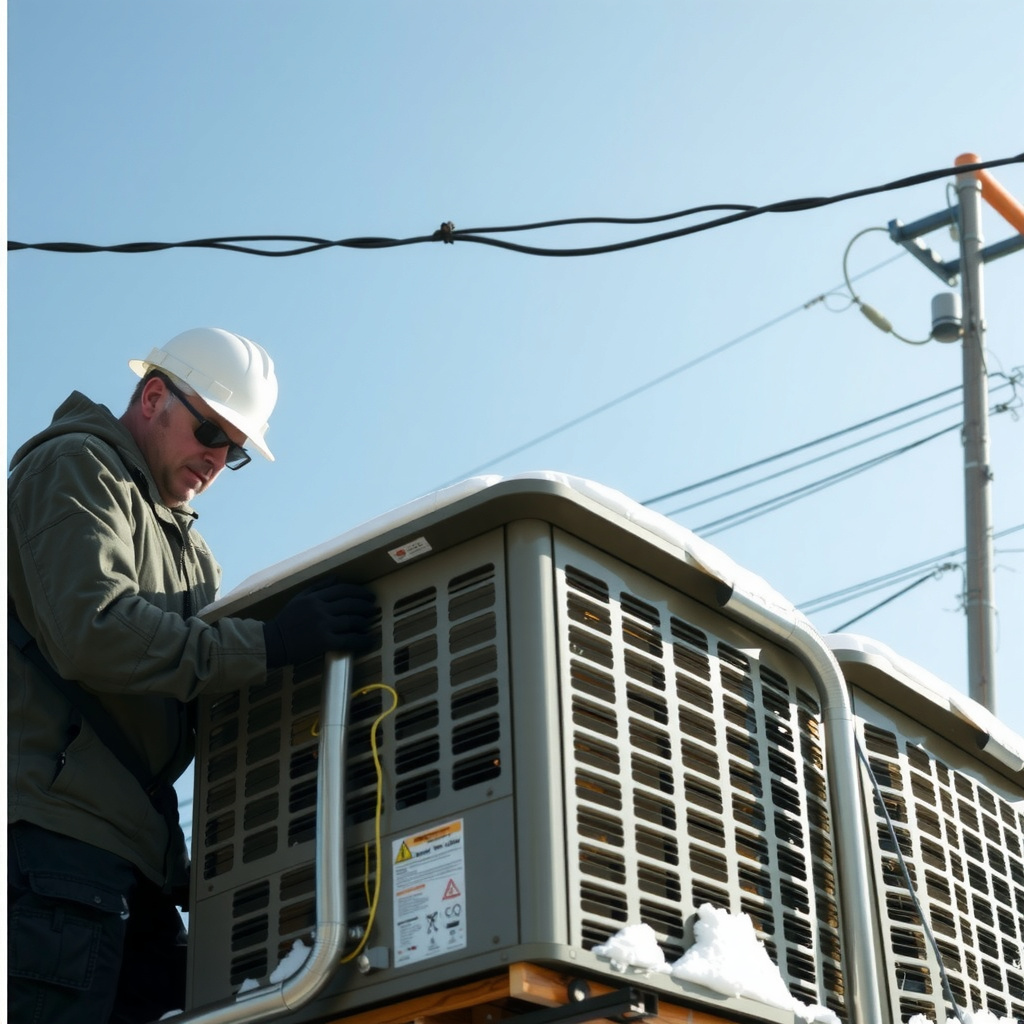
Winters test furnace limits through constant operation, exposing weaknesses like cracked heat exchangers or worn blowers. Data shows furnaces face three times more service calls from December to February due to component stress from low temperatures. Dirty filters restrict airflow 40% faster during heating peaks, forcing overwork and potential failure. Recognizing these signs early allows proactive replacement, preventing emergency situations where indoor temperatures plummet.
Replacement isn’t just about swapping units; it’s a comprehensive upgrade. Modern furnaces boast higher AFUE ratings, often reaching 96% efficiency compared to 65-70% in older models. This translates to substantial energy savings over time. Teams with commercial HVAC experience bring scalable solutions, applying rigorous standards from larger projects to residential needs. Their protocols ensure installations withstand winter rigors, from proper venting to insulation against freezing.
Signs Your Furnace Requires Immediate Winter Replacement
Identifying failure indicators prevents prolonged discomfort. If your furnace blows cold air, short cycles frequently, or emits unusual noises like banging or rattling, these signal underlying issues. Short cycling accounts for 60% of emergency winter repairs, stemming from oversized units, clogged filters, or faulty thermostats. Persistent burning smells beyond initial startup suggest electrical problems or overheating, demanding urgent attention.
Uneven heating creates cold spots, often from blower motor failures or blocked vents. Snow accumulation or ice on exhaust vents traps combustion gases, risking carbon monoxide leaks—a top winter safety hazard when homes seal tightly. Rising energy bills indicate inefficiency; older furnaces overpay on every gas bill due to low efficiency. Frequent repairs, especially on units over 15 years old, tip the scale toward replacement over patchwork fixes.
Thermostat malfunctions exacerbate problems, with low batteries or poor calibration causing inaccurate readings. Ignition failures or flame sensor issues lead to starting difficulties. Frozen pipes and coils from poor airflow or low temperatures can burst, causing severe damage. Monitoring monthly during peak season reveals these progressively, allowing scheduled replacement before total breakdown.
Why Choose Experienced Teams for Winter Furnace Replacement
Expertise matters most in winter, where timing is critical. Teams with proven HVAC service records handle high-demand periods efficiently. Their technicians undergo rigorous training in furnace diagnostics, installation, and safety protocols. This background ensures they address common winter pitfalls like blocked vents from ice or rapid filter clogging.
Commercial HVAC capabilities extend to residential projects, offering robust solutions. For instance, high-efficiency condensing furnaces require specialized venting knowledge to prevent ice blockages. Professionals size units correctly, avoiding short cycling from mismatches. They also integrate smart thermostats for precise control, reducing strain during cold snaps.
Trust builds from transparent processes: detailed assessments, clear timelines, and post-installation testing. Technicians verify airflow, gas pressure, and CO levels before leaving. This methodical approach minimizes callbacks, ensuring systems perform reliably through the season. Experience with diverse systems—gas, electric, or hybrid—allows tailored recommendations maximizing efficiency and comfort.
The Furnace Replacement Process in Winter Conditions
Replacement starts with a thorough inspection. Technicians evaluate age, efficiency, ductwork compatibility, and safety. They recommend models matching your home’s heating load, considering insulation and layout. Selection focuses on energy-efficient options with variable-speed blowers for quiet, consistent operation.
Installation unfolds in phases: removing the old unit, updating electrical and gas lines if needed, and mounting the new furnace. Winter-specific adaptations include protecting components from cold during transport and ensuring quick startup. Venting systems get cleared of potential blockages, with plastic pipes insulated against freezing.
Post-install, systems undergo multi-point testing: ignition cycles, heat output verification, and airflow balancing. Technicians adjust for optimal performance, often achieving immediate temperature stabilization. This process, typically completed in one day, restores full functionality without extended downtime. Financing options ease costs, with rebates for high-efficiency models further reducing investment.
Benefits of Upgrading to a New Furnace Mid-Winter
Upgrading yields immediate and long-term gains. Newer furnaces cut energy use significantly, lowering bills during high-usage months. Enhanced air filtration improves indoor quality, capturing more dust and allergens. Quieter operation eliminates disruptive noises, promoting better rest.
Safety upgrades include advanced CO detectors and fail-safes preventing gas leaks. Smart features enable remote monitoring, alerting to issues before failures. Warranties cover parts and labor, providing peace of mind. Environmentally, lower emissions support sustainability goals.
Comfort elevates with even heating, eliminating drafts and stratification. Variable-capacity models modulate output, maintaining steady temperatures without swings. Integration with zoning systems targets heat where needed, optimizing efficiency. These advantages compound, making winter replacement a strategic choice over limping through with an aging unit.
Preparing Your Home for Seamless Furnace Installation
Preparation enhances efficiency. Clear access around the furnace area, securing pets and valuables. Stock up on filters matching the new model’s specs. Schedule during milder days if possible, though experts manage any weather.
Review ductwork condition; sealing leaks prevents efficiency loss. Insulate exposed pipes to avoid freezing risks. Update thermostats for compatibility. These steps minimize installation time, getting you back to comfort faster.
Post-install maintenance planning is key. Monthly filter checks during winter, annual tune-ups in fall. Learn system diagnostics via owner manuals. This proactive stance extends lifespan, maximizing return on investment.
Common Myths About Winter Furnace Replacement Debunked
Myth one: Wait until spring to avoid peak pricing. Reality: Delaying risks emergencies costing more in repairs and discomfort. Off-season waits amplify problems as issues compound.
Myth two: All furnaces perform equally in cold. Truth: High-efficiency models with cold-climate designs excel, featuring robust ignitions and insulated cabinets.
Myth three: DIY possible for capable homeowners. Fact: Gas line handling, electrical work, and venting demand licensed pros to ensure code compliance and safety.
Myth four: Replacement disrupts for days. Actually, experienced teams finish in hours, with temporary heating if needed. Debunking these empowers informed decisions.
Selecting the Right Furnace Model for Winter Demands
Choices abound: single-stage for basics, two-stage for balance, modulating for precision. Gas furnaces dominate for power, electric suit all-electric homes. AFUE ratings guide efficiency; 95%+ ideal.
Consider blower type: multi-speed for quiet, variable for ultimate control. Heat exchanger materials like stainless steel resist cracking. Noise ratings below 60 dB ensure library-like operation.
Match BTU output to square footage accurately. Oversizing causes cycling; undersizing strains. Pros use Manual J calculations for perfection. Smart integrations like Wi-Fi enable app control, scheduling boosts efficiency.
Long-Term Maintenance for Post-Replacement Reliability
Sustained performance requires diligence. Change filters monthly in winter, quarterly otherwise. Annual inspections catch wear early. Keep vents unobstructed, indoors and out.
Monitor error codes via diagnostics. Lubricate moving parts per manual. Test CO detectors regularly. These habits prevent 80% of common failures, ensuring decades of service.
For Indoor Comfort Team’s comprehensive commercial HVAC services, explore their advanced capabilities applicable to all scales.
Cost Analysis: Repair vs. Replacement in Winter
Repairs offer short-term fixes but recur. A blower motor might cost $500, heat exchanger $1,500+. Cumulative expenses on 15+ year units exceed new installs at $3,000-$7,000.
Replacements qualify for rebates, dropping net costs. Efficiency savings recoup investment in 5-7 years. Factor safety: avoiding CO risks priceless. Lifecycle costing favors upgrade.
Financing spreads payments, matching seasonal budgets. ROI calculations include comfort, health benefits from better air.
Customer Stories: Successful Winter Replacements
Clients report swift resolutions. One faced short cycling; new variable-speed furnace stabilized heat, slashing bills 25%. Another’s noisy unit silenced completely.
Frozen coil victim got insulated upgrade, preventing recurrence. These transformations highlight expertise turning crises into upgrades. Satisfaction stems from reliability proven in toughest conditions.
Environmental Impact of Modern Furnace Choices
Newer models reduce emissions dramatically. High AFUE minimizes fuel use. Low-NOx burners cut pollutants. Pairing with renewables future-proofs.
Recycling old units responsibly closes loops. Choosing ENERGY STAR cuts carbon footprint yearly. Informed selections align comfort with planetary health.
Integrating Smart Technology with New Furnaces
Wi-Fi thermostats learn patterns, optimizing runs. Zoning dampers direct heat precisely. Air quality monitors trigger purification.
App alerts preempt issues. Voice control simplifies operation. These enhance control, efficiency during peaks.
Frequently Asked Questions
Can furnace replacement happen reliably during peak winter cold?
Yes, experienced HVAC teams perform replacements efficiently even in harsh winter conditions. They use specialized protocols to protect equipment from cold during transport and installation. The process typically completes in one day, with immediate testing to ensure full heat output. Common challenges like frozen components or rapid filter clogging get addressed upfront. Technicians verify venting against ice blockages and balance airflow for optimal performance. This minimizes downtime, restoring comfort quickly without safety compromises. Data indicates 60% of winter issues like short cycling resolve permanently with new units. Proper sizing prevents recurrence, and post-install warranties cover seasonal stresses. Clients experience seamless transitions, often noting quieter operation and even heating immediately. Preparation like clearing access speeds everything. Choosing pros with commercial HVAC backgrounds ensures scalability and precision under pressure. Learn more via Indoor Comfort Team’s residential HVAC solutions for tailored advice.
What are the top signs indicating furnace replacement over repair?
Key indicators include age over 15 years, frequent repairs, short cycling, cold air output, and rising bills. Short cycling, causing 60% of emergencies, signals failing components or sizing issues. Cracked heat exchangers pose CO risks, demanding immediate swap. Efficiency drops below 70% AFUE waste fuel excessively. Noises like banging point to loose parts or motor failure. Uneven heat from blower issues persists despite fixes. Ignition problems or flame sensor faults recur seasonally. Safety concerns like gas smells override cost considerations. Lifecycle analysis shows repeated $500+ repairs exceed $4,000 new installs. Professionals assess holistically, factoring comfort and ROI. Upgrading yields 25-30% savings, better air quality, and smart features. Waiting amplifies damage; proactive replacement prevents mid-winter crises. Verify via inspection; transparent teams provide detailed reports guiding decisions confidently.
How long does a winter furnace replacement typically take?
Most replacements finish in 6-8 hours for standard setups. Complex jobs with duct modifications extend to two days. Teams arrive prepared, diagnosing en route to streamline. Old unit removal takes 1-2 hours, new install 3-4 hours, testing 1 hour. Winter adaptations like component warming add minimal time. Experienced crews coordinate seamlessly, using tools for quick gas/electrical hookups. Post-install calibration ensures peak efficiency from startup. Clients stay comfortable with portable heaters if needed. Factors like accessibility or upgrades influence duration; clear prep shaves hours. Commercial-trained techs apply efficiency from large projects. Follow-up visits confirm long-term stability. This rapid turnaround defines reliability, turning potential disasters into quick wins. Efficiency saves costs too—no multi-day disruptions mean lower labor fees.
Is it more expensive to replace a furnace in winter?
Costs remain consistent year-round for pros, though demand may add slight premiums. Base prices range $3,000-$7,000 by model/size. Efficiency rebates offset, especially high-AFUE units. Financing spreads payments evenly. Repairs often cost more cumulatively—$1,500 heat exchangers fail again soon. Delaying to spring risks $2,000+ emergencies. New systems save 20-30% on bills immediately, recouping faster in high-use seasons. Transparent quotes detail inclusions, avoiding surprises. Bulk part access keeps pricing competitive. Safety prioritizes over savings; CO risks outweigh delays. Pros bundle tune-ups, extending value. Lifecycle savings favor winter action, preventing compounded issues. Informed budgeting with ROI calcs confirms value.
What maintenance prevents future winter furnace issues?
Monthly filter changes during winter combat 40% faster clogging. Annual fall tune-ups catch wear early. Clear vents of snow/ice to avoid CO backdraft. Test thermostats, replace batteries. Monitor for cycling or noises. Insulate pipes against freezing. Balance airflow yearly. Use surge protectors for electrical stability. Smart monitors alert remotely. Log performance for trends. These prevent 80% breakdowns, per industry data. Proper fuel pressure checks ensure ignition. Humidifiers maintain exchanger integrity. Educated owners spot issues fast. Pros offer plans covering all. Consistency yields decades of service, minimizing costs long-term.
Are new furnaces more efficient in extreme cold weather?
Absolutely; modern designs feature cold-climate tech like insulated cabinets, robust ignitions, and variable blowers. 96% AFUE vs. 65% slashes fuel use. Modulating outputs match demand precisely, avoiding stress. Stainless exchangers resist cracking. Secondary heat exchangers capture more energy. Low-temp operation ensures startup reliability. Zoning optimizes delivery. Savings hit 30% in peaks. Quieter too, under 60dB. Warranties cover harsh conditions. Pair with sealed ducts for max gains. Environmentally, lower NOx benefits all. Data confirms superior performance under load.
How to choose the best furnace model for winter reliability?
Assess BTU needs via Manual J. Prioritize 95%+ AFUE, two-stage/modulating. Variable-speed blowers for even heat. Check noise ratings. Stainless construction for durability. Smart compatibility for control. Warranty length matters—lifetime exchangers ideal. Match fuel type. Pros recommend based on home specifics. Avoid single-stage for peaks. ENERGY STAR ensures verified efficiency. Cost vs. savings balance key. Test models virtually if offered. Longevity trumps upfront price.
What safety checks occur during furnace replacement?
Comprehensive: gas leak tests, CO calibration, pressure verification, electrical grounding, venting integrity. Ignition cycles multiple times. Airflow balancing prevents overheating. Flame rollout switches tested. Limits and safeties confirmed. Duct sealing checked. Final air quality scan. Documentation provided. Winter-specific: freeze protection validated. This multi-layer approach eliminates risks, ensuring family safety from day one.
Can replacement integrate with existing smart home systems?
Yes, most new furnaces connect via Wi-Fi thermostats like Nest or Ecobee. Zoning, air purifiers link seamlessly. Apps monitor usage, filter life, alerts. Voice assistants control. Energy reports optimize. Compatibility verified pre-install. Enhances convenience, efficiency. Future-proofs with upgradable modules. Pros configure fully, training users. Transforms basic heat into intelligent system.
What warranties cover new furnace installations?
Typically 10-20 years parts, 1-5 years labor. Lifetime exchanger common. Compressor warranties vary. Registration required often. Transferable boosts resale. Extended plans available. Covers defects, not misuse. Proof of maintenance needed. Pros handle claims. Winter installs qualify fully. Value protects investment, peace of mind assured.
Final Thoughts on Reliable Winter Furnace Solutions
Expert teams prove capable of handling furnace replacements anytime, delivering warmth without fail. Proactive steps ensure comfort endures.