 Based on 1,000+ Reviews!
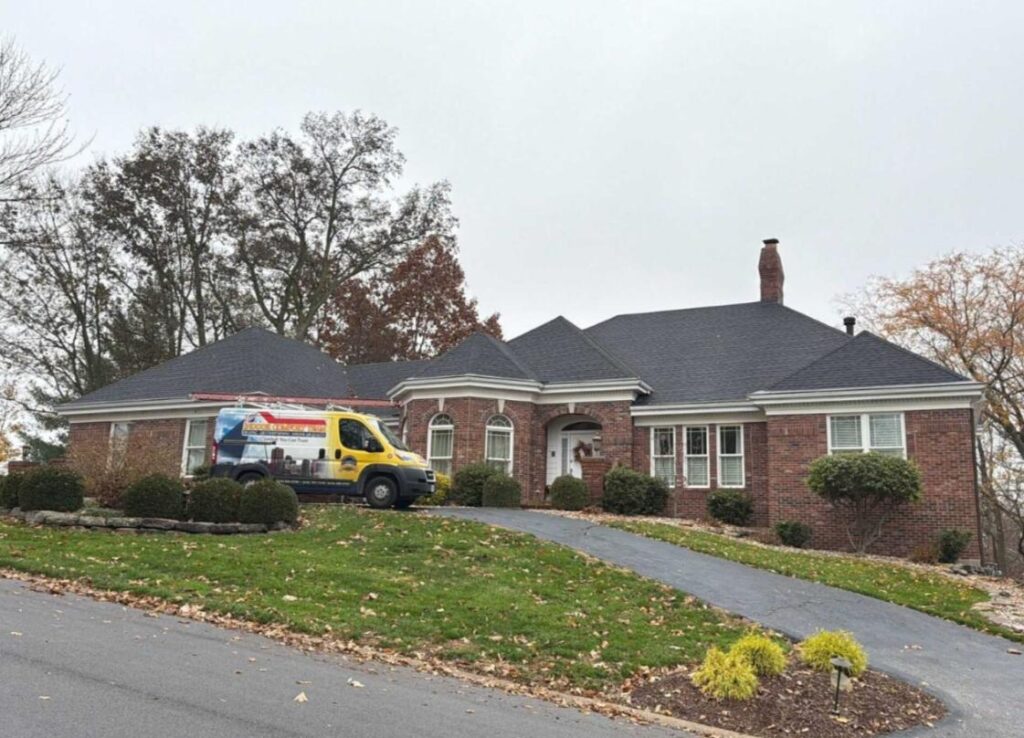
Cold weather in Chesterfield has a way of revealing problems quickly. At Ms. Sellenriek’s home on Forest Club Dr, the furnace was trying to start, but heat never followed. The system sounded like it wanted to run, yet the house stayed cold, a frustrating situation on a December day when reliable heat matters most.
She called Indoor Comfort Team for a diagnostic visit, looking for clear answers rather than guesswork. The focus wasn’t on rushing a repair, but on understanding exactly why the furnace wasn’t igniting and whether the issue was isolated or part of a larger concern.
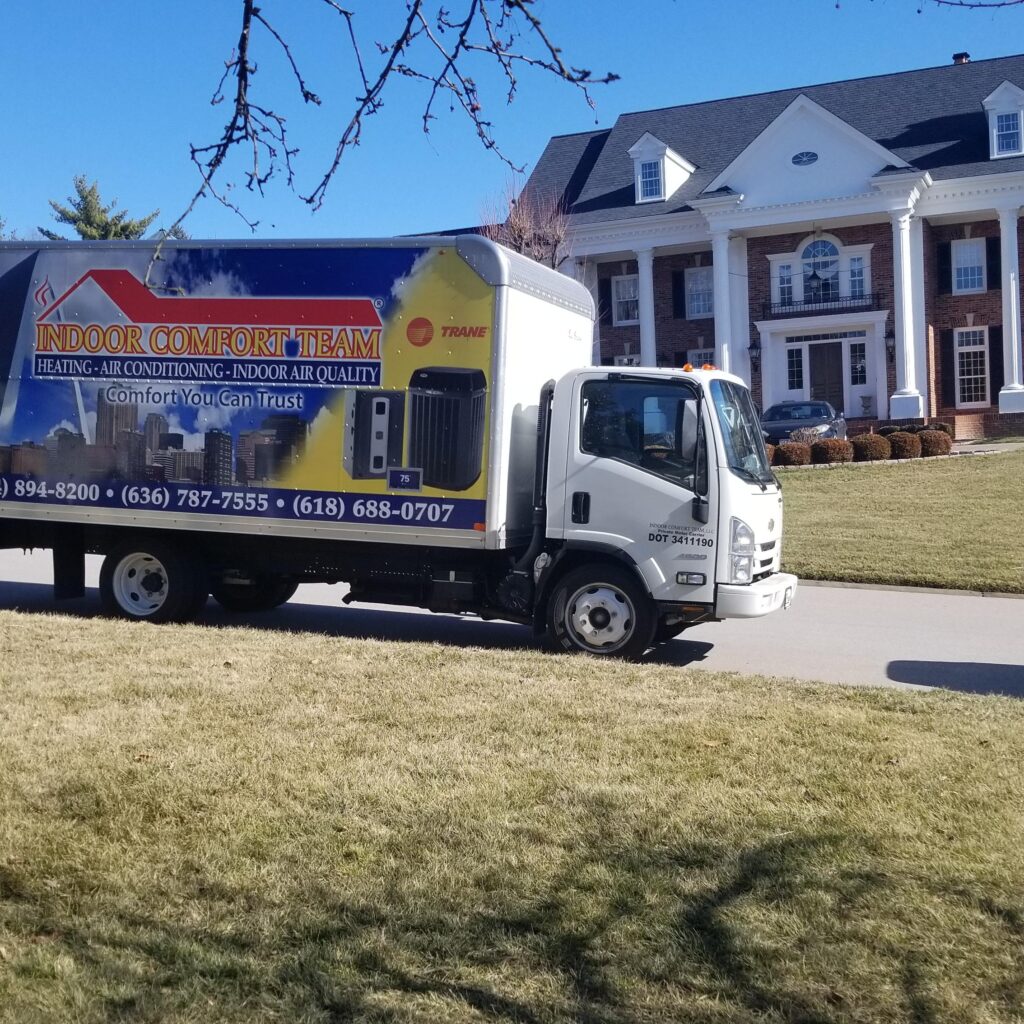
Andrew, our trusted NATE-certified technician, handled the visit. He walked through the system step by step, checking the furnace’s startup sequence and electrical components before moving toward the ignition system. That careful approach led to a failed hot surface igniter, a small but essential part that prevents a gas furnace from lighting when it stops working properly.
A Diagnostic Visit Focused on Understanding the Problem
Andrew began the visit by taking time to understand what Ms. Sellenriek had been experiencing. He asked when the issue started, what she noticed when the furnace tried to run, and whether the problem appeared suddenly or built up over time. Listening first helped narrow the possibilities before touching the system.
He then checked the thermostat and watched how the furnace responded when heat was requested. Each step of the startup process was observed carefully. Indoor Comfort Team follows this diagnostic-first approach to avoid assumptions. Repairs are based on what the system is doing, not guesses or shortcuts.
What the Hot Surface Igniter Does in a Gas Furnace
Modern gas furnaces rely on a hot surface igniter to start the heating process. Instead of a pilot light, the igniter heats up using electricity until it is hot enough to light the gas inside the burners.
The process is simple:
- The thermostat calls for heat
- The igniter heats and begins to glow
- Gas is released and ignites
- The furnace starts producing heat
If the igniter does not heat properly, the gas cannot light. Even if the furnace appears to be running, no heat will be delivered without a working igniter.
What Went Wrong: Diagnosing the Failed Igniter
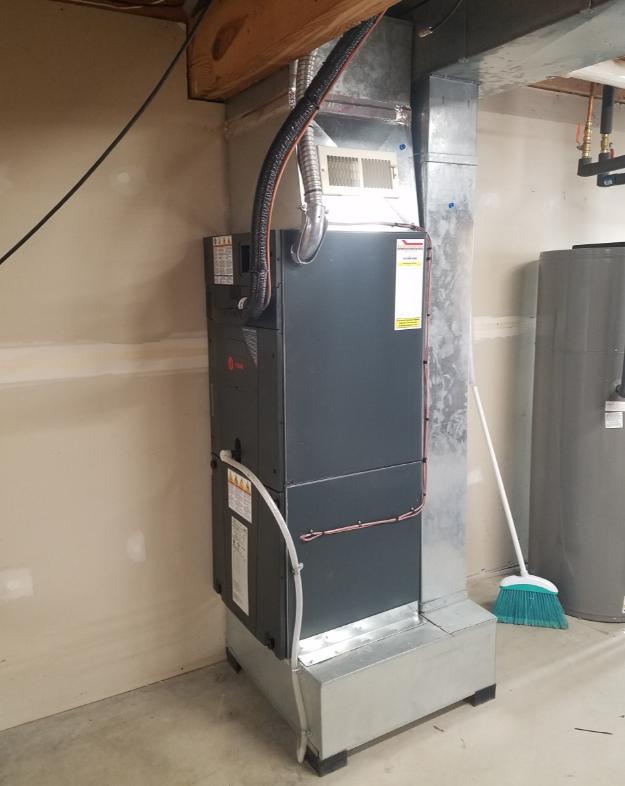 During the inspection, Andrew confirmed that the furnace was receiving the proper signal to start. The problem appeared when the igniter failed to glow during the startup cycle. Without that heat source, the burners never ignited.
Hot surface igniters often fail due to normal wear. The ceramic element heats and cools many times throughout the season, which can weaken it over time. In this case, the issue was limited to the igniter. There were no gas safety concerns and no control board problems. Replacing the igniter was the correct and straightforward solution to restore heat.
Professional Replacement: How the Repair Was Handled
Once the failed igniter was confirmed, Andrew began the repair by securing the system. Power and gas were shut off before any components were removed, which is a necessary step for ignition-related work.
The replacement followed a careful, step-by-step process:
- Power and gas supply safely shut off
- Old igniter removed without stressing nearby components
- Correct replacement igniter selected for the furnace
- New igniter installed without direct contact with the element
Hot surface igniters are fragile, and precision matters during installation. Proper part matching and careful handling help ensure the furnace lights correctly and avoids repeat issues. This type of repair relies on accurate diagnosis, not trial and error.
Testing and Restoring Heat
After installation, the system was restarted and tested to confirm normal operation. Each stage of the heating cycle was checked before the job was considered complete.
During testing, Andrew confirmed:
- The igniter glowed properly during startup
- Burners lit smoothly and consistently
- The furnace completed a full heating cycle
With warm air flowing again, the home returned to a comfortable temperature. The furnace was operating as expected, restoring confidence in the system and allowing daily life to return to normal without concern about the heat cutting out again.
Why Hot Surface Igniter Issues Are Common in Winter
 Hot surface igniters tend to fail more often during the winter months simply because the furnace is running more frequently. As outdoor temperatures drop, the system cycles on and off throughout the day, placing repeated stress on ignition components.
Several factors contribute to this:
- Increased furnace run time during cold weather
- Repeated heating and cooling of the igniter material
- Natural wear from regular seasonal use
This type of issue is common and expected over time. A failing igniter does not mean the furnace itself is failing. It is considered a normal wear item, much like other components that handle heat and electricity.
When caught early, replacing a hot surface igniter is often a straightforward repair. Proper diagnosis helps restore heat quickly and prevents unnecessary concern about larger system problems.
Helpful Signs Your Furnace May Have an Igniter Problem
Some furnace issues point clearly toward a failing hot surface igniter. Noticing these signs early can help prevent a full loss of heat during colder months. When symptoms show up, a diagnostic visit from Indoor Comfort Team allows the issue to be confirmed accurately and addressed without unnecessary repairs.
- Furnace runs but doesn’t produce heat: The blower turns on, but the burners never ignite.
- Repeated start attempts without ignition: The system tries to start, shuts down, and then tries again.
- No glow visible during startup: The igniter does not heat up or glow before the burners should light.
- Heat works one day, not the next: Intermittent operation can occur as the igniter weakens over time.
Because igniters are fragile and connected to both electrical and gas systems, proper diagnosis matters. Indoor Comfort Team’s licensed, NATE-certified technicians are trained to test ignition components safely and identify the exact cause, ensuring repairs are based on confirmed findings rather than assumption.
Life Around Forest Club Dr in Chesterfield
Life along Forest Club Dr reflects the calm, established feel that many residents value in Chesterfield. This part of the city is known for its quiet residential streets, well-maintained homes, and a pace of life that feels steady rather than rushed. It’s an area that appeals to homeowners who appreciate consistency, comfort, and a neighborhood that feels settled.
A Comfortable, Established Neighborhood
 Homes around Forest Club Dr are part of a long-developed residential area where people tend to stay for years. Streets are lined with mature trees, and traffic is mostly limited to neighbors and visitors.
- Quiet streets with minimal through traffic
- Established single-family homes
- A mix of long-time residents and families
The neighborhood feels predictable in a good way, offering a sense of stability that many homeowners value.
Parks and Simple Ways to Unwind
One of the advantages of living in this area is easy access to outdoor space without leaving town. Faust Park is nearby and offers walking trails, open green areas, and seasonal attractions that locals enjoy throughout the year.
- Walking paths for casual exercise
- Open lawns and picnic areas
- Cultural attractions like the Butterfly House
Residents are also close to Chesterfield Central Park, which features scenic paths, a lake, and an amphitheater that hosts community events. These parks make it easy to step outside, take a walk, or spend time outdoors without planning a full day around it.
Close to Everyday Conveniences
Forest Club Dr offers a balance between peaceful living and accessibility. Shopping, dining, and daily services are a short drive away, making errands simple while allowing residents to return home to a quiet setting.
- Convenient access to retail and dining areas
- Short drives for groceries and essentials
- Easy routes for commuting and daily travel
Fun Fact: Chesterfield is often ranked among the top places to live in Missouri due to its strong parks system, suburban layout, and overall quality of life. That balance of convenience and calm is especially noticeable in established neighborhoods like the one surrounding Forest Club Dr, where everyday living feels both practical and comfortable.
Why Homeowners in Chesterfield Trust Indoor Comfort Team
Homeowners in Chesterfield have relied on Indoor Comfort Team for heating and cooling service since 1979. Over the years, the company has built its reputation on doing the basics well. Calls are answered by real people, diagnostics are handled without pressure, and technicians are licensed, background checked, and properly trained.
That approach showed clearly during this visit. The focus stayed on understanding the problem, explaining what was found, and making the correct repair. Heat was restored by replacing a failed igniter, not by suggesting unnecessary parts or system upgrades. It’s a straightforward process that homeowners appreciate because it keeps decisions clear and service honest.
The Importance of Accurate Furnace Diagnostics
Even a small component can prevent a furnace from producing heat. When an igniter fails, the system may seem to run normally while never actually warming the home. Accurate diagnostics help identify issues like this early, allowing the right repair to be made without unnecessary work or replacements.
If your heat feels unreliable or your furnace will not ignite, Indoor Comfort Team is ready to help. A professional diagnostic visit provides clear answers and a practical solution. To schedule service, call (314) 230-9542. You can expect calm support, straightforward explanations, and comfort restored the right way.