 Based on 1,000+ Reviews!
As cooler weather settled into St. Charles, reliable heat became part of the daily routine. At Ms. Buffa’s home on Biddeford Ct N, that routine started to feel uncertain when the furnace would turn on, then shut itself off moments later. The house never had a chance to warm up, and the system’s on-again, off-again behavior made it difficult to trust that heat would be there when it was needed.
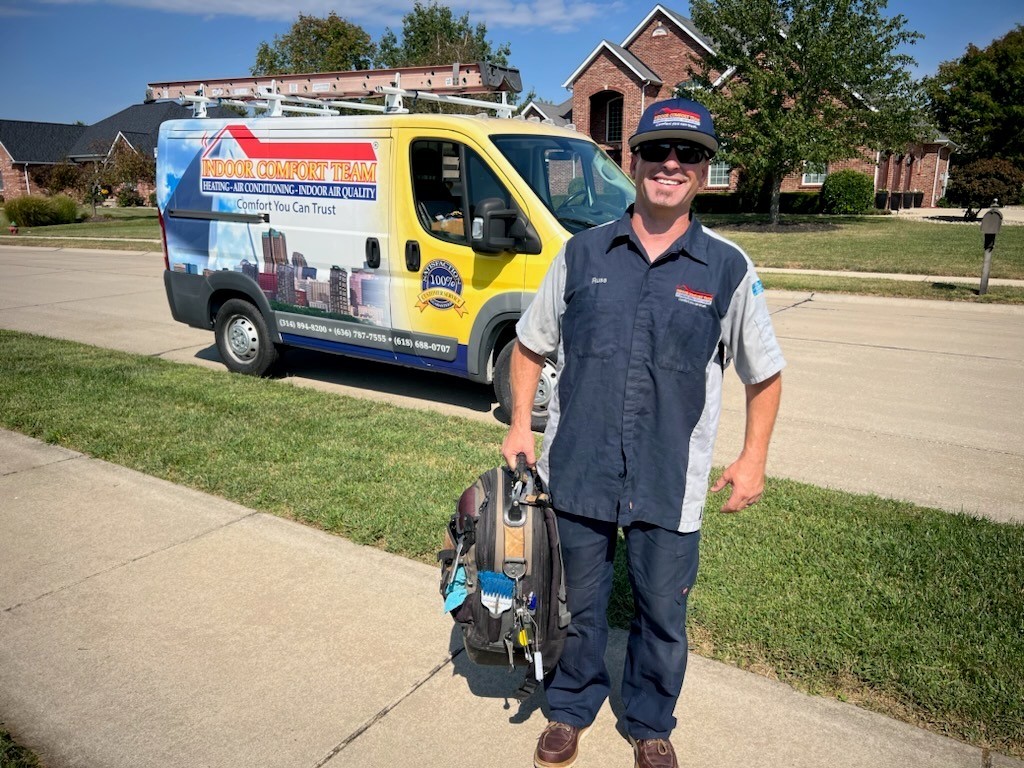
Looking for clear answers, she scheduled a diagnostic visit with Indoor Comfort Team. Russ, our trusted NATE-certified technician, took time to observe the furnace during startup and listen to what Ms. Buffa had been experiencing. That careful approach led to the root of the problem: a failing flame sensor, a small safety component that can shut a furnace down when it no longer detects flame correctly.
Understanding the Issue
Russ began the visit by talking things through with Ms. Buffa before touching the furnace. He asked what she had been noticing, when the problem first showed up, and how often the system shut itself off. Those details helped paint a clearer picture of what was happening without jumping to conclusions.
After that, he checked the thermostat and watched how the furnace responded when heat was requested. He followed the startup sequence closely to see where the process broke down. There was no rush to replace parts. The focus stayed on understanding the system first, then deciding on the right fix based on what the furnace was actually doing.
What a Flame Sensor Does in a Gas Furnace
The flame sensor plays a key safety role in a gas furnace. It confirms that the gas being released is burning properly and signals the system to keep the gas valve open.
In simple terms, the sequence looks like this:
- The thermostat calls for heat
- The burners ignite
- The flame sensor detects the flame
- The furnace continues heating the home
If the flame sensor does not detect flame, the furnace shuts down as a safety measure. Even though it’s a small part, it has an important job, and when it stops working correctly, the furnace will not stay running.
What Went Wrong: Diagnosing the Flame Sensor Issue
As Russ continued observing the furnace during startup, a clear pattern appeared. The burners would ignite briefly, but the system shut itself down shortly after. That behavior pointed to a safety shutdown rather than a failure to start.
Several common flame sensor issues can cause this:
- Soot or carbon buildup on the sensor
- Normal wear over time
- Reduced ability to accurately detect flame
Russ confirmed the issue was limited to the flame sensor. There were no problems with the gas supply, ignition system, or control board. The furnace itself was operating properly, but the sensor could no longer reliably confirm flame, which caused the system to shut down as designed.
Professional Replacement: How the Repair Was Handled
Once the cause was clear, Russ shut off power and gas to the furnace before beginning the repair. Because flame sensors are part of the system’s safety controls, accuracy and careful handling are essential.
The repair process included:
- Removing and inspecting the existing flame sensor
- Confirming its condition was beyond cleaning
- Selecting the correct replacement sensor
- Installing and aligning the new sensor properly
This is not a trial-and-error repair. Flame sensors must be positioned and connected correctly to function as intended, and proper replacement helps ensure safe, reliable operation moving forward.
Testing and Restoring Reliable Heat
After installation, the furnace was powered back on and tested through a full heating cycle. The burners ignited as expected, the new flame sensor confirmed flame, and the system stayed running without shutting down.
Warm air began moving through the home consistently, and the furnace returned to normal operation. With heat restored, the house felt comfortable again. The repair brought relief and renewed confidence that the system would continue to perform reliably through the colder days ahead.
Why Flame Sensor Issues Are Common During Heating Season
Flame sensor problems tend to show up more often during the heating season simply because the furnace is running more frequently. As outdoor temperatures drop, systems cycle on and off throughout the day, which places more demand on ignition and safety components.
Several seasonal factors contribute to this:
- Increased furnace run time during colder weather
- More frequent heating cycles
- Greater exposure to combustion byproducts like soot
Flame sensors are considered common wear items and are especially sensitive to buildup on the sensor surface. This type of issue does not mean the furnace is failing. When identified early, a flame sensor problem is often a straightforward repair that restores normal operation without larger system concerns.
Helpful Signs Your Furnace May Have a Flame Sensor Problem
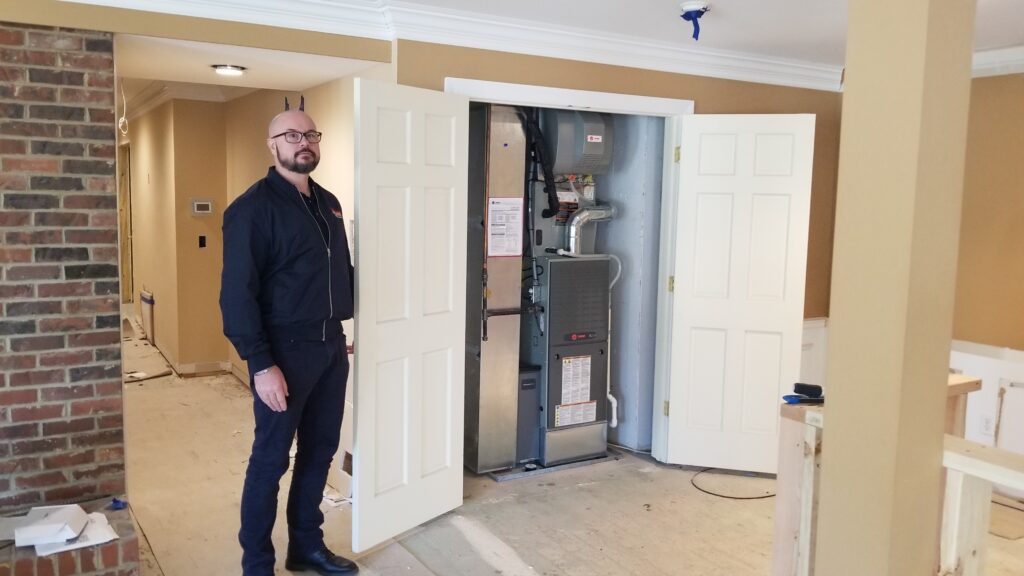
Certain furnace behaviors can point to a flame sensor issue, especially during colder months when the system is running more often.
- Furnace starts but shuts off quickly: The system ignites, then turns off before delivering enough heat.
- Heat comes on briefly, then stops: Warm air may blow for a short time, but the furnace does not stay running.
- Furnace attempts to restart multiple times: The system cycles on and off as it tries to complete the heating process.
- Home never reaches the set temperature: Short run times prevent the house from warming fully.
Because flame sensors are part of the furnace’s safety system, these symptoms should be checked by a trained professional. Proper diagnosis helps ensure the correct repair is made safely, rather than relying on guesswork or DIY fixes.
Life Around Biddeford Ct N in St. Charles
Life around Biddeford Ct N sits within one of St. Charles’s well-established residential areas, where quiet streets and comfortable suburban living are part of the everyday rhythm. Homes in this part of town are typically single-family and surrounded by calm roadways that help maintain a peaceful setting. It’s a neighborhood that feels stable and welcoming, ideal for those who appreciate a mix of quiet living and accessibility.
The residential blocks near Biddeford Ct N are characterized by mature landscaping, minimal through traffic, and homes that reflect a settled community. This kind of setting appeals to families, professionals, and long-time residents alike, offering a sense of continuity and calm that’s easy to appreciate after a busy day.
- Quiet residential streets and low traffic
- Well-maintained homes with mature yards
- A mix of long-time homeowners and families
Whether it’s a morning coffee on the porch or an evening walk with a pet, this neighborhood supports a relaxed pace of life.
Parks, Trails, and Outdoor Activities
St. Charles has an extensive park system and outdoor spaces that are easy to reach from this part of town. The city itself manages 26 parks with walking paths, nature trails, and open green space for everyday outdoor enjoyment. Nearby county parks like Indian Camp Creek Park offer even more outdoor options, including trails, fishing spots, and nature areas to explore.
Residents here can step outside for casual strolls, bike rides, or longer weekend walks without traveling far, making it simple to stay active and enjoy nature close to home.
Close to Everyday Needs and Attractions
Living near Biddeford Ct N also means having convenient access to everyday services and regional attractions. St. Charles Towne Center brings a wide range of stores and dining options just a short drive away, ideal for errands or family outings. The area’s historic districts and amenities like shops, restaurants, and seasonal events add variety to local life.
- Easy access to shopping and dining
- Short drives for groceries and household needs
- Historic Main Street with unique shops and events
Fun Fact: St. Charles is known as one of the region’s most historic communities, originally founded in 1769 as Les Petites Côtes and later serving as Missouri’s first state capital. This long history blending tradition with modern suburban life makes it a place many residents enjoy calling home.
Why Homeowners in St. Charles Trust Indoor Comfort Team
Homeowners in St. Charles often turn to Indoor Comfort Team because the company has built its reputation over time, not through promises, but through consistent work. Serving the St. Louis area since 1979, the focus has remained the same: careful diagnostics, clear explanations, and service that respects the homeowner’s home and budget. Calls are handled by real people, and technicians take the time to understand the issue before recommending any repair.
That approach was evident during this visit. Russ explained what the furnace was doing, identified the flame sensor issue, and completed the repair without upselling or unnecessary recommendations. With licensed, background-checked technicians and a commitment to no-pressure service, Indoor Comfort Team continues to earn trust by doing the job correctly and leaving homeowners confident in the solution.
When Your Furnace Won’t Stay Running, a Diagnostic Can Make the Difference
When a furnace begins shutting off unexpectedly, the cause is not always obvious. Small components can interrupt the entire heating process, and without proper diagnostics, it’s easy to miss what’s really going on. A professional evaluation helps identify the issue early and keeps repairs focused on what the system actually needs.
If your furnace will not stay running or your heat feels inconsistent, Indoor Comfort Team can help with a diagnostic visit. To schedule service, call (314) 230-9542. You’ll receive clear answers, a careful assessment, and support that puts your comfort first.