 Based on 780+ Reviews!
St. Louis summers bring more than just sunshine; they hit hard with heat, humidity, and unpredictable storms. And while vacation planning usually covers things like packing and pet care, many homeowners forget one important detail: prepping the air conditioner.
Skipping this step can lead to higher energy bills, excess indoor moisture, or even a system issue while you’re away. That’s why Indoor Comfort Team, a trusted local HVAC provider with over 40 years of experience in St. Louis, recommends a quick home AC checklist before any extended trip.
This guide walks you through every must-do task, so you can enjoy your getaway and come home to comfort.
Your Pre-Vacation AC Checklist for a Worry-Free Return
1. Adjust Your Thermostat for Energy Savings and Humidity Control
Leaving your air conditioner running like you’re still home is one of the easiest ways to waste energy while you’re away. But turning it off entirely? That can backfire in a hot, humid place like St. Louis.
When no one is home, your system should maintain a balance, cool enough to manage moisture but warm enough to reduce strain and cost. Here’s how:
- Set your thermostat between 80 and 85°F. This helps limit humidity buildup without overcooling an empty space.
- Use “vacation mode” on smart thermostats like Ecobee or Nest, or create a custom “away” schedule.
- Avoid last-minute changes. Set your temperature in advance to ensure the schedule is locked in before you leave.
Keeping indoor humidity in check also protects items like wood furniture, instruments, electronics, and your overall air quality.
2. Swap Out Your Air Filter to Keep Airflow Efficient
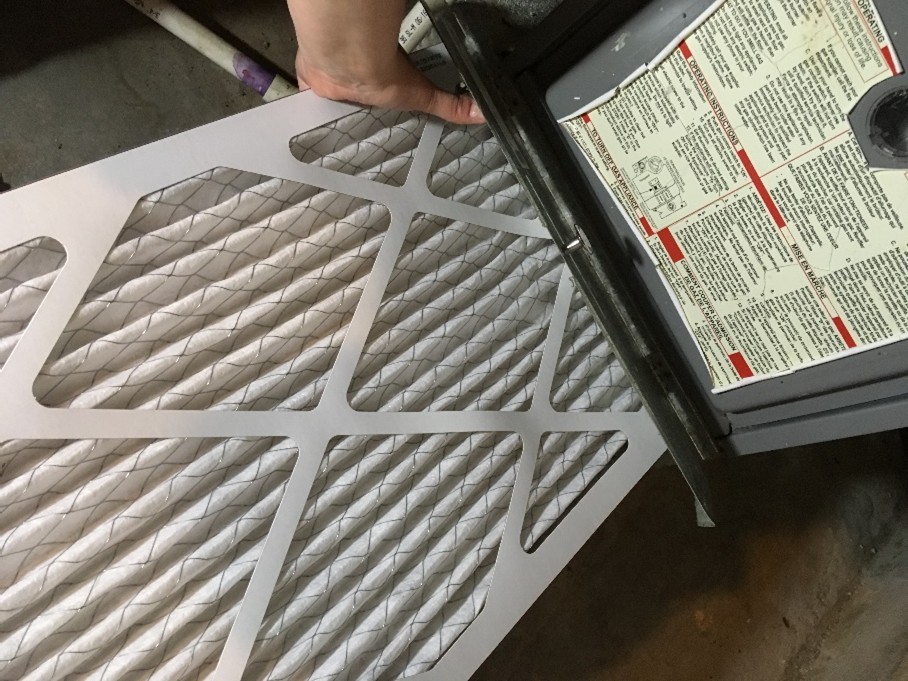 Your air filter plays a bigger role than most people think. A dirty filter restricts airflow, reduces efficiency, and makes your AC work harder, especially during long, hot days when no one’s home to notice a problem.
Before your trip:
- Check your existing filter. If it looks dusty or gray, it’s time to replace it.
- Install a new one to help maintain smooth airflow and reduce the risk of strain on your system.
- Use the correct filter size and MERV rating recommended by your HVAC system’s manufacturer.
3. Clear the Area Around Your Outdoor Unit
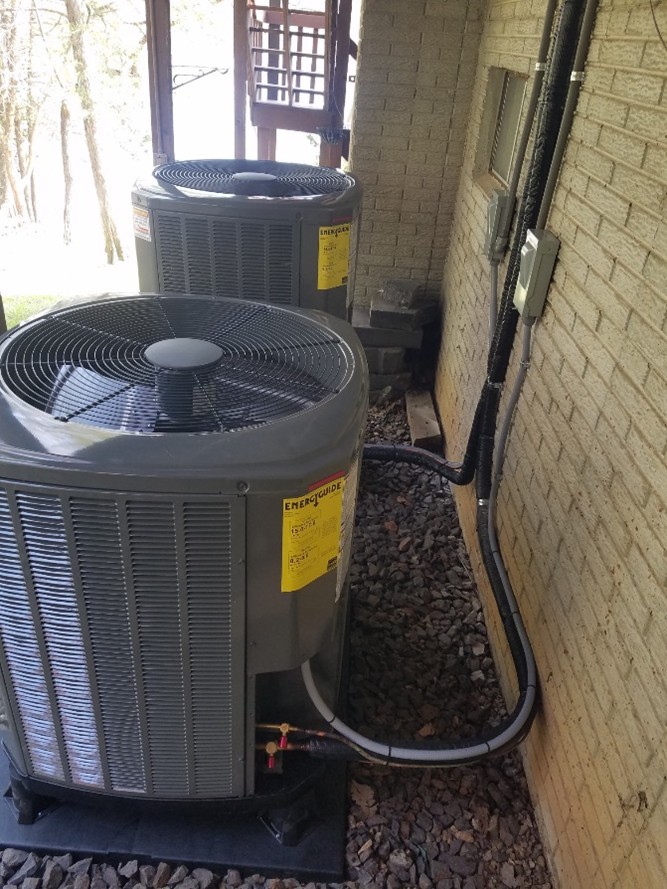 Your AC’s outdoor condenser needs space to breathe—especially when you’re not around to keep an eye on it. Obstructions like overgrown plants, yard debris, or even lawn clippings can interfere with airflow and trap heat around the unit.
Before you leave:
- Trim back shrubs or tall grass within two feet of the unit.
- Remove leaves, twigs, or loose debris from around and under the system.
- Avoid stacking items nearby—no storage bins, hoses, or garden tools.
This reduces the risk of overheating and helps your AC stay efficient, even during long stretches of use in your absence.
4. Keep Vents Unblocked and Sunlight Out
Good airflow inside the home is just as important as it is outside. Even if no one’s home, your AC still needs to circulate air properly to avoid pressure imbalances or reduced performance.
Here’s what to do:
- Ensure vents and returns are clear—move furniture, boxes, or rugs if they’re in the way.
- Keep interior doors open to help air move evenly throughout the home.
- Close your blinds or curtains during the day to reduce solar heat gain and help your system work more efficiently.
These support a stable indoor environment, making sure your AC doesn’t have to fight against unnecessary heat or blockages.
5. Safeguard Your AC System with Surge Protection
Storms in St. Louis can come out of nowhere, and with them, the risk of power surges. These sudden spikes in electricity can damage the most sensitive parts of your HVAC system, including the thermostat, compressor, and internal controls.
To protect your system while you’re away:
- Install a surge protector made specifically for your HVAC unit or consider a whole-home option.
- Make sure your system is properly grounded and connected to a reliable circuit.
- If you’re unsure about your current setup, have a technician inspect it before your trip.
A surge protector is a small upgrade that can prevent a costly repair, especially during the height of storm season.
6. Do a Quick System Check Before You Head Out
 Just because your AC is running doesn’t mean everything is fine. Take a moment to listen and observe how it’s performing before you leave town.
Watch out for:
- Unusual noises like buzzing, rattling, or anything out of the ordinary.
- Weak or uneven airflow from your vents.
- Frequent starts and stops, which could signal short cycling or a failing part.
If something seems off, it’s better to catch it now than return to a sweltering house and a broken system. A quick check today could save you from a stressful homecoming.
7. Schedule a Tune-Up If Maintenance Is Overdue
A routine HVAC inspection isn’t just about cleaning filters and checking off boxes. It’s a critical step that helps your system perform better during long periods of high demand—like a St. Louis summer.
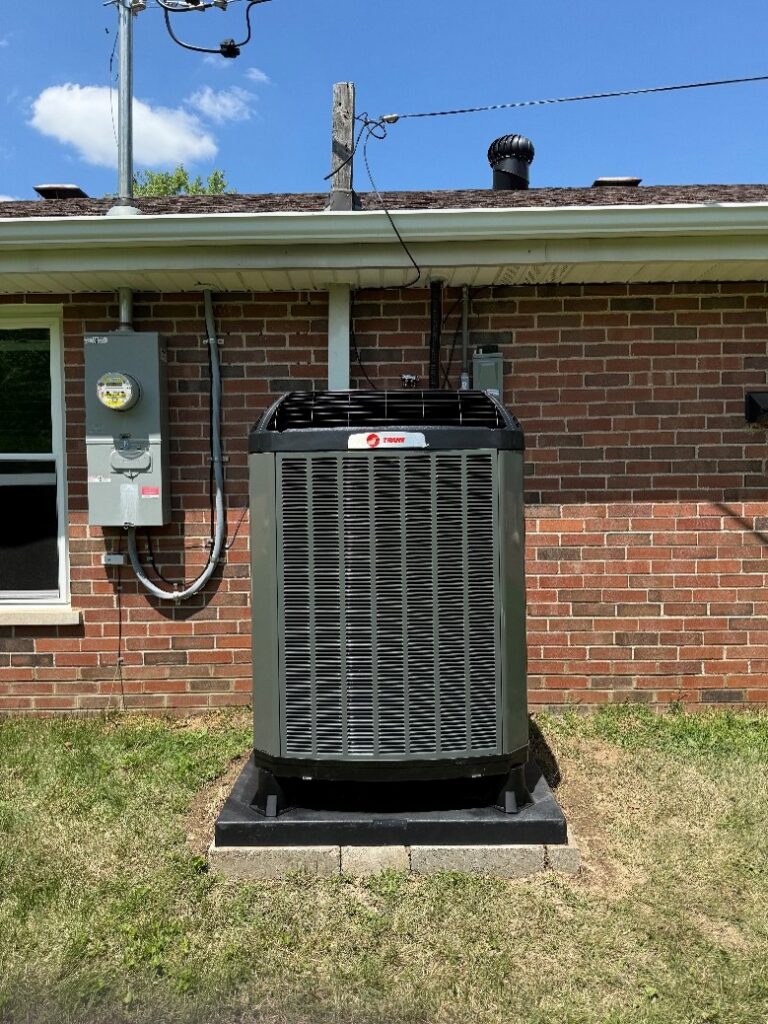 At Indoor Comfort Team, we provide full-service AC tune-ups that cover:
- System diagnostics to detect refrigerant leaks, airflow issues, or electrical faults
- Cleaning of critical components, including condenser coils, drain lines, and blower parts
- Thermostat calibration and performance testing to ensure accurate temperature control
- Inspection of wear-prone parts, such as capacitors, belts, and motors
- Safety checks to make sure everything is running within manufacturer specs
If your system has been running non-stop this season, or you can’t remember the last time it was serviced, booking a tune-up before your trip helps avoid mid-summer surprises. You’ll head out knowing your home will stay cool and your AC won’t be pushed past its limits while unattended.
Extra Tips to Prepare Your Whole Home
Beyond your AC system, a few extra steps can keep your house secure, energy-efficient, and worry-free while you’re away.
- Set Lights on Timers: Timers create the appearance that someone’s home, which can deter break-ins. Use programmable plugs or smart light systems to automate lighting during the evening hours.
- Unplug Electronics: Even when turned off, devices like TVs, game consoles, and chargers can still draw power. Unplugging them saves energy and reduces the risk of electrical issues while you’re gone.
- Turn Your Water Heater to Vacation Mode: Most modern water heaters have a vacation or low-use setting. Enabling this setting not only minimises energy consumption but also prevents the tank from freezing.
- Ask a Neighbor or Friend to Check In: A trusted neighbor can keep an eye on things while you’re away. Ask them to do a quick walk-through every few days and listen for any unusual sounds from your AC system.
- Leave Emergency Contact Info: Place your HVAC provider’s name and number somewhere visible, like the fridge or kitchen counter. If something goes wrong, your house-sitter or neighbor can get help fast without delays.
A Few Minutes Now, Less Stress Later
Prepping your AC system doesn’t take much time, but it goes a long way in protecting your comfort—and your wallet. A few smart steps now can prevent bigger problems later, especially during the peak of St. Louis heat.
From setting the right thermostat temperature to clearing debris and swapping your air filter, a little prep can go a long way. And if you want extra peace of mind, Indoor Comfort Team offers professional tune-ups and inspections that help keep things running smoothly while you’re away.
You’ve got enough to think about before a trip, let us handle the HVAC part so you can travel worry-free and come home to comfort.