
 Based on 1,000+ Reviews!
Your AC Is Acting Up, and Money Is Tight. You’re Not Alone in This.
Your air conditioner just started making a strange noise, or maybe it stopped blowing cold air altogether. And right behind that worry comes a bigger one: can you actually afford to fix it?
Here’s the thing. On a fixed income, every repair feels like it has to compete with groceries, medications, and the electric bill. It’s frustrating to feel like you have to choose. And it’s even worse when a company won’t give you a straight answer about cost until someone’s already standing in your living room.
This article walks through what air conditioning repair really costs, what financing options exist for bigger repairs, and how to know whether repairing or replacing your system makes more financial sense for you.
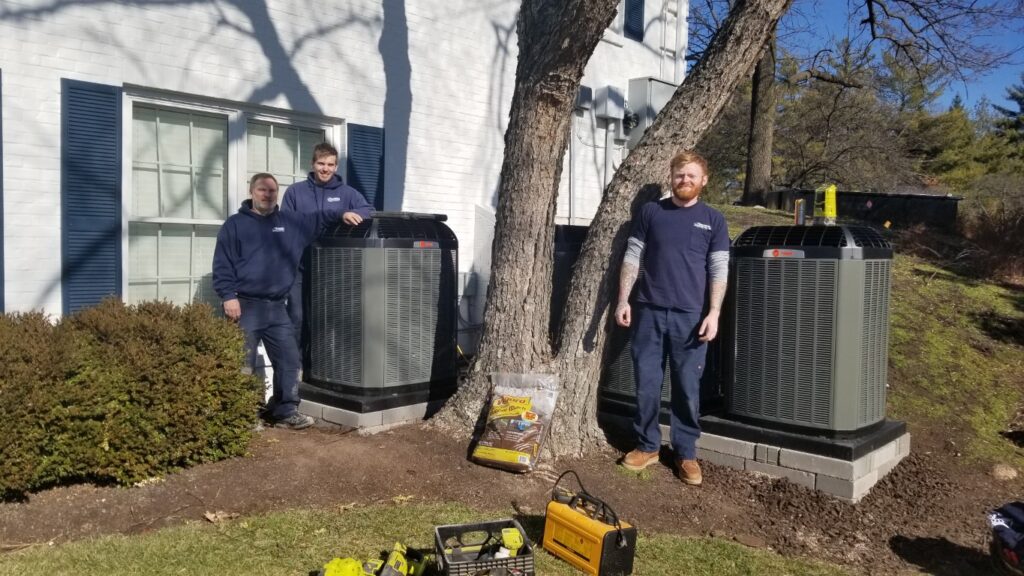
Why Pricing Clarity Matters Even More on a Fixed Income
Look, everyone deserves an honest price. But when your budget is tight and there’s no extra paycheck coming to cover a surprise bill, vague pricing isn’t just annoying. It’s genuinely stressful.
You might feel overwhelmed by the thought of a technician walking in, poking around, and then handing you a number you didn’t see coming. That fear is valid, and it shouldn’t be brushed off with vague reassurances. What actually helps is a company that states its diagnostic fee plainly and gives you a written quote before any repair work begins.
The Diagnostic Fee: What It Is and Why It’s Worth Asking About
A diagnostic fee covers the technician’s time to inspect your system and figure out exactly what’s wrong. At Indoor Comfort Team, that fee is quoted upfront, before a technician is ever dispatched to your home. You know the cost of finding out what’s wrong before you agree to anything.
Once the issue is identified, you get a clear, written repair quote. You decide whether to move forward. Nobody starts fixing anything without your approval first.
What Drives AC Repair Costs Up or Down
Not every repair costs the same, and that’s actually good news if your system’s problem turns out to be a smaller one. A failed capacitor or a faulty thermostat connection tends to be a quicker, less expensive fix. A refrigerant leak or a failing compressor is a bigger job, both in parts and labor time.
Age matters too. Older systems, especially ones past the 12 to 15 year mark, sometimes need parts that are harder to find, which can add cost and time to the repair.
Common Repairs, Roughly Ranked by Cost
Electrical issues like a bad capacitor or relay usually sit on the lower end of the cost range, since the part itself is small and the labor is fairly quick. Refrigerant leaks cost more because the leak has to be located before it can even be sealed. Compressor replacement sits at the top of the range, since it’s one of the most expensive and labor-intensive parts in the whole system.
Financing Options: Making a Bigger Repair Manageable
Here’s where things can feel a little less scary. If your repair turns out to be a bigger one, financing can spread that cost out instead of hitting your budget all at once.
Indoor Comfort Team offers 0% financing for up to 72 months on qualifying repairs and system replacements. That means no interest charges eating into a fixed budget, and a monthly payment that’s easier to plan around than one large bill.
Ask About Financing Before You Say Yes to Anything
You shouldn’t have to track down financing information on a separate page or make a second phone call to ask about it. When you get your repair quote, ask directly whether financing applies. A good technician will walk you through the options right then, so you can make a fully informed decision on the spot.

Repair or Replace? A Cost Comparison for Older Systems
This is often the hardest question for homeowners on a fixed income. Do you keep sinking money into an aging system, or does it make more sense to replace it?
There’s no single right answer, but there is a useful way to think about it. If your system is under 10 years old and the repair is relatively minor, repairing almost always makes more financial sense. If your system is older than 12 to 15 years and needs a major, expensive repair like a new compressor, replacement often ends up being the smarter long-term move, especially with financing available to soften the upfront cost.
| Situation | Likely Better Option | Why |
| System under 10 years, minor repair | Repair | Lower cost, system has plenty of life left |
| System 10 to 15 years, minor repair | Repair | Still cost-effective in most cases |
| System over 15 years, major repair | Replace | Repair cost often approaches replacement cost |
| System over 15 years, frequent repairs | Replace | Ongoing repair costs add up over time |
| Any age, repair cost near 50% of replacement | Replace | Better long-term value |
This table isn’t meant to replace an actual technician’s assessment of your specific unit. But it gives you a starting point for the conversation, so you’re not walking in blind.
What to Ask Before You Agree to Any Repair
You don’t have to just accept whatever a technician tells you without asking questions. It’s your money, and it’s fair to ask for clarity.
Ask what the diagnostic fee covers and confirm it before scheduling. Ask for a written repair quote before any work starts, not a verbal estimate you have to remember later. And ask directly whether financing applies if the number is bigger than you expected. A company confident in its pricing and its work won’t hesitate to answer any of this clearly.
Watch for These Warning Signs
If a company won’t give you a diagnostic fee over the phone, that’s worth noticing. If they pressure you to approve a repair on the spot without giving you time to think, that’s a red flag too. Comfort should never come with pressure tactics attached, especially when you’re managing a fixed budget.
Why Trust Matters as Much as the Price Tag
Here’s what really matters underneath all of this. It’s not just about the number on the invoice. It’s about knowing the person in your home is qualified, honest, and not going to talk you into something you don’t need.
Every technician at Indoor Comfort Team is background-checked and NATE-certified, which means the person diagnosing your system has been vetted, not just hired. That matters just as much as the price, maybe more, when you’re trusting someone with a decision that affects your budget and your comfort.
This doesn’t work if a company treats certifications as a footnote buried somewhere on their website. The exception is a company that puts that proof front and center, right alongside the price, so you’re making a decision with the full picture in front of you.
Frequently Asked Questions
Are there financing options for AC repair on a fixed income?
Yes. Indoor Comfort Team offers 0% financing for up to 72 months on qualifying repairs and replacements, which spreads the cost into manageable monthly payments without added interest.
How much does a typical AC repair cost for seniors in St. Louis?
Costs vary by issue. Smaller electrical repairs, like a capacitor replacement, tend to be less expensive, while major repairs like compressor replacement cost more due to parts and labor. A diagnostic visit determines the exact repair needed and its price before any work begins.
Is it cheaper to repair or replace an old AC unit?
It depends on the system’s age and the repair needed. Systems under 10 to 12 years old are usually worth repairing. Older systems needing major repairs often cost nearly as much to fix as to replace, making replacement the better long-term value.
Do I have to pay before I know the full repair cost?
No. A written repair quote should be provided and approved before any repair work begins, so you always know the full cost before committing to anything.
The Bottom Line: You Deserve Clear Pricing and No Pressure
Managing a fixed income means every dollar matters, and an unexpected AC repair shouldn’t come with confusion piled on top of the cost. You deserve a stated diagnostic fee, a written quote before any work starts, and financing options explained clearly if the repair is a bigger one.
If your air conditioner needs attention, call for a straightforward quote and ask every question you have. A trustworthy technician will welcome those questions, not rush past them.