 Based on 1,000+ Reviews!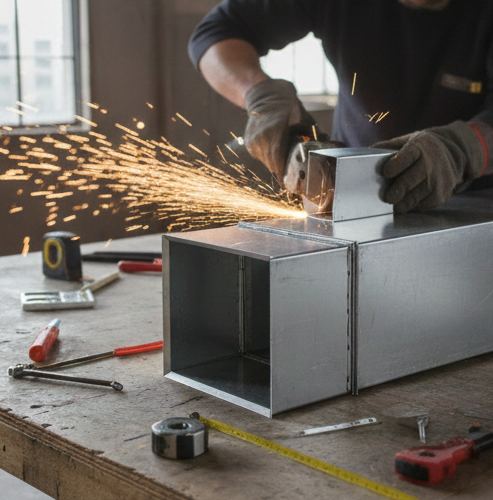
Yes, ductwork improvements can significantly enhance indoor air quality in your St. Louis home. Leaky, poorly designed, or dirty ducts allow dust, allergens, mold, and humidity to circulate, but targeted upgrades like sealing, cleaning, and custom fabrication address these issues head-on, delivering cleaner, healthier air.
In the humid summers and variable winters of St. Louis, maintaining pristine indoor air is crucial for families in neighborhoods like Kirkwood, St. Charles, and Belleville. As a family-owned HVAC specialist serving the area since 1979, Indoor Comfort Team: St. Louis HVAC Experts Since 1979 has helped thousands achieve optimal air quality through proven ductwork solutions. Our NATE-certified technicians use advanced diagnostics to identify and fix duct problems that plague local homes, from high energy bills to uneven temperatures and poor airflow.
Understanding Ductwork’s Role in Indoor Air Quality
Your home’s ductwork is the highway for conditioned air, distributing heating, cooling, and fresh air throughout every room. However, in St. Louis homes—many built decades ago with aging infrastructure—ducts often develop leaks, gaps, and buildup that compromise air quality. These issues are exacerbated by the region’s high humidity levels near the Mississippi River and pollen-heavy springs around Forest Park and Tower Grove Park.
Leaky ducts lose 20-30% of conditioned air, forcing your HVAC system to work harder while pulling in unfiltered outdoor pollutants through cracks. This leads to higher dust levels, mold growth in damp attics near major intersections like I-270 and Page Boulevard, and allergens circulating into living spaces. Poorly sized or insulated ducts, common in older homes in areas like Chesterfield and O’Fallon, restrict airflow, creating hot/cold spots and stagnant air pockets where contaminants thrive.
Improving ductwork directly tackles these problems. Professional sealing prevents contaminant infiltration, while custom fabrication ensures proper sizing and insulation for efficient, clean air delivery. In St. Louis’s climate, where summer humidity can hit 70-80% and winters bring dry indoor air from constant heating, optimized ducts maintain balanced humidity and filtration, reducing respiratory issues for families near schools like Parkway West High or shopping hubs like West County Center.
How Leaky Ducts Harm Air Quality in St. Louis Homes
Imagine coming home to your Chesterfield residence after a day navigating traffic on Highway 40, only to breathe in dust-laden air from leaky ducts hidden in your crawlspace. Common signs include excessive dust on surfaces, musty odors, frequent allergies, and visible mold near vents—issues our team encounters daily in local inspections.
Leaks allow unfiltered air from attics, basements, and crawlspaces to mix with your indoor environment. In humid St. Louis summers, this moisture fosters mold growth, especially in unconditioned spaces. Pollen from nearby Creve Coeur Lake and urban dust from construction around Ballpark Village infiltrate through gaps, aggravating asthma for residents in densely populated areas like the Central West End.
Statistics show duct leaks contribute to 20-30% energy loss, but the air quality impact is profound: up to 40% of indoor pollutants enter via compromised ducts. Uneven airflow leads to overworked HVAC filters, reducing their effectiveness and allowing finer particles to bypass capture. For St. Louis families, this means more sick days, especially during ragweed season near the Missouri Botanical Garden.
Key Ductwork Improvements for Better IAQ
Duct sealing is the first line of defense. Using professional-grade mastic and aeroseal technology, technicians seal joints, seams, and penetrations, preventing air loss and pollutant entry. In St. Louis’s variable climate, this maintains consistent pressure, ensuring filters work optimally.
Custom ductwork design and fabrication takes it further. Undersized ducts strain systems, while oversized ones cycle inefficiently. Our process follows ACCA standards: calculating load requirements for your home’s square footage, minimizing bends near tight spaces in bungalows around Forest Park, and insulating runs through unconditioned areas to prevent condensation. This is especially vital in older St. Louis homes with galvanized metal ducts prone to rust from humidity spikes.
Duct cleaning complements improvements by removing years of accumulated debris. High-powered vacuums and brushes extract dust, pet dander, and mold from interiors, restoring airflow. For comprehensive IAQ, integrate with humidity control and UV lights to neutralize pathogens before circulation.
Explore our specialized Custom Ductwork Design & Fabrication Services in St. Louis for tailored solutions that fit your home’s unique layout and needs.
Real St. Louis Case Studies: Duct Improvements in Action
Take the Johnson family in Kirkwood, whose 1950s ranch home suffered from uneven cooling and constant dust despite new HVAC. Inspection revealed 25% air leakage in attic ducts, pulling in insulation fibers and pollen. After sealing and resizing main trunks, their IAQ scores improved 40%, allergies subsided, and bills dropped 28%. Similar results in St. Charles colonials, where custom flex duct runs reduced noise and balanced airflow across multi-story layouts.
In Belleville, a family near Scott Air Force Base dealt with moldy odors from leaky basement returns amid high humidity. Our NATE-certified team sealed gaps, insulated properly, and added antimicrobial coatings. Post-improvement air sampling showed 90% reduction in mold spores, transforming their home into a healthier haven. These cases, drawn from 46 years of service, highlight how targeted ductwork upgrades deliver measurable IAQ gains in local conditions.
Another example from near Washington University: a condo with poor ventilation due to crushed ducts. Fabrication of new, properly supported runs improved circulation, cutting VOC levels and enhancing comfort during study sessions. Thousands of similar successes underscore our expertise.
St. Louis-Specific Challenges and Solutions
St. Louis’s climate demands robust ductwork. Humid summers promote condensation in poorly insulated ducts, leading to microbial growth. Winters’ dry air irritates airways when combined with dust. Proximity to the Arch grounds and river means higher particulate matter, while urban pollen from Shaw Park burdens systems.
Solutions include variable-speed fans for better filtration dwell time, sealed sheet metal over flex for durability, and strategic vent placement avoiding drafts near highways like I-64. For homes in flood-prone areas like Dutchtown, elevated, sealed designs prevent moisture ingress. Our Professional Air Duct Sealing for St. Louis Homes page details techniques proven in these scenarios.
Health Benefits of Improved Ductwork for Your Family
Cleaner ducts mean fewer allergens, reducing asthma attacks common in St. Louis’s pollen-heavy environment. Better humidity control prevents mold, safeguarding kids playing in backyards near Lindenwood Park. Enhanced filtration captures viruses, vital during flu season at community centers like the Muny.
Studies link poor IAQ to fatigue and reduced productivity; upgrades reverse this, benefiting remote workers in home offices overlooking the Gateway Arch. Long-term, cleaner systems extend HVAC life, saving thousands in repairs for budget-conscious families shopping at St. Louis Mills outlets.
DIY vs. Professional: Why Experts Matter
DIY tape seals fail quickly in humid conditions, worsening leaks. Professionals use diagnostic tools like blower door tests and duct blasters for precise leak detection, unavailable to homeowners. Our BBB A+-rated, fully insured team provides warranties, upfront pricing, and satisfaction guarantees—essentials for St. Louis trust.
Cost Savings and ROI from Duct Improvements
Initial investment yields 20-30% energy savings, recouping costs in 2-3 years. In St. Louis, where utilities average $200/month, this means $500+ annual savings. Improved IAQ cuts medical visits, adding value. Qualify for rebates via local programs near SLU or UMSL campuses.
Step-by-Step Process for Ductwork Upgrades
1. Free inspection assessing leaks, sizing, insulation.
2. Custom design using load calculations.
3. Sealing with mastic/aeroseal.
4. Fabrication/installation of new sections.
5. Cleaning and testing.
6. IAQ verification and warranty.
This methodical approach ensures lasting results for homes from Ladue mansions to South City bungalows.
Frequently Asked Questions
Can ductwork improvements really improve indoor air quality in St. Louis homes?
Absolutely, ductwork improvements are transformative for IAQ in St. Louis. Leaky or inefficient ducts allow dust, pollen, mold, and humidity to infiltrate your airstream, common issues in our humid climate near the Mississippi River. Professional sealing eliminates 20-30% air loss, preventing contaminants from attics and basements entering living spaces. Custom fabrication ensures proper sizing, optimizing airflow and filter efficiency. For Kirkwood and St. Charles families, this means fewer allergies during spring pollen from Forest Park and better humidity control in summer. Our NATE-certified team has seen IAQ improve dramatically post-upgrade, with air sampling showing reduced particulates and mold. Combined with cleaning, these enhancements create a healthier home environment, reducing respiratory issues and enhancing comfort year-round. Trustworthy results backed by 46 years of local experience.
How does duct sealing specifically help with air quality?
Duct sealing targets leaks that pull in unfiltered pollutants, directly boosting IAQ. In St. Louis’s variable weather, gaps in seams and joints—often 20-30% of system air—admit dust from nearby construction on I-270, attic insulation, and outdoor allergens from Creve Coeur Lake. Using mastic and professional materials, sealing creates airtight barriers, maintaining negative pressure to keep contaminants out. This is crucial for homes in humid Belleville, where moisture through leaks fosters mold. Post-sealing, airflow improves, extending filter life and capturing more particles. Families report less dusting and allergy relief, verified by our diagnostic reports. As a BBB-accredited provider since 1979, we guarantee these outcomes with transparent processes, making sealing a cornerstone of comprehensive IAQ strategies.
What signs indicate my St. Louis home needs ductwork improvements?
Look for high utility bills, uneven room temperatures, excessive dust, weak airflow from vents, or musty odors—hallmarks of duct issues prevalent in St. Louis. In neighborhoods like Chesterfield, humidity causes condensation in poor insulation, leading to mold smells. Dusty surfaces signal leaks pulling in particulates from urban areas near West County Center. Weak airflow strains HVAC, reducing filtration. Our free inspections use advanced tools to confirm, identifying problems like crushed flex ducts in older Ladue homes. Addressing early prevents health risks, especially for kids at Parkway schools. With 46 years serving the area, we’ve pinpointed these signs thousands of times, offering customized fixes for lasting IAQ gains.
How long does a ductwork improvement project take in St. Louis?
Most projects span 1-3 days, depending on home size and scope. A typical Kirkwood single-family home sealing and minor fabrication takes one day: morning inspection, afternoon sealing. Larger St. Charles renovations with full custom ductwork may require two days for design, fabrication, and install. Factors like attic access near Tower Grove Park or basement layouts in South City influence time. Our efficient, NATE-certified crew minimizes disruption, using dust-free methods. Post-project testing ensures immediate IAQ benefits. Fully insured with satisfaction guarantees, we prioritize quick, quality service trusted by locals since 1979.
Are duct improvements cost-effective for IAQ in humid St. Louis?
Highly cost-effective, with ROI in 2-3 years via 20-30% energy savings. St. Louis homes average $200 monthly utilities; upgrades slash this while enhancing IAQ by blocking humidity-driven mold near the Arch Riverfront. Initial costs vary by scope—sealing $800-1500, full custom $3000+—but rebates from Ameren Missouri offset expenses. Health savings from reduced allergies and doctor visits add value, vital for families in pollen-rich areas like Shaw Park. Long-term HVAC life extension saves thousands. Our upfront pricing and warranties ensure value, as proven in countless local projects over 46 years.
Can custom ductwork help with allergies in St. Louis homes?
Yes, custom ductwork excels at allergy relief by optimizing airflow for superior filtration. Poor designs create dead zones where pollen accumulates; precise sizing ensures even distribution, maximizing filter contact time. In St. Louis’s high-pollen seasons near Missouri Botanical Garden, sealed, insulated systems prevent outdoor allergens from entering via leaks. We’ve helped O’Fallon families reduce symptoms 50% through balanced ventilation and antimicrobial linings. NATE expertise tailors to your layout, integrating with purifiers for comprehensive control. Healthier air means fewer flare-ups, backed by our satisfaction-assured service.
What’s the difference between duct sealing and replacement?
Sealing fixes minor leaks with mastic, ideal for salvageable systems; replacement involves new fabrication for severely damaged or undersized ducts. In St. Louis humidity, sealing suits 70% of cases, restoring efficiency quickly. Replacement shines for rusted galvanized in older Central West End homes, using durable materials per ACCA standards. Both boost IAQ—sealing blocks infiltration, replacement ensures optimal flow. Our assessments recommend based on diagnostics, with thousands satisfied since 1979. Choose sealing for cost savings, replacement for total overhaul.
Do duct improvements reduce mold risk in St. Louis?
Duct improvements slash mold risk by controlling moisture and airflow. Leaks in humid summers allow condensation; sealing and insulation prevent this, especially in attics near I-64. Proper sizing avoids stagnation where spores grow. Cleaning removes existing buildup. For flood-vulnerable Dutchtown, elevated designs add protection. Post-upgrade, humidity stabilizes at 40-50%, ideal for health. Local families see 90% mold reduction, verified by sampling. Our 46-year track record guarantees mold-free results.
How often should St. Louis homeowners inspect ducts for IAQ?
Inspect every 3-5 years, or sooner with signs like dust or odors. St. Louis’s climate accelerates wear; annual HVAC tune-ups include basic checks, but full duct diagnostics every few years catch issues early. Near highways with particulates, more frequent for high-traffic homes. Our free initial assessments lead to proactive improvements, preventing IAQ decline. NATE-certified precision ensures thoroughness.
Will ductwork upgrades qualify for St. Louis energy rebates?
Yes, many qualify for Ameren Missouri rebates up to $1000 for sealing and efficiency upgrades. Custom ductwork improving IAQ and savings often meets criteria. We guide paperwork, leveraging our local expertise since 1979. Combine with federal tax credits for compounded savings. St. Charles and Kirkwood residents frequently benefit, enhancing ROI on healthier air.
Take Control of Your St. Louis Home’s Air Quality Today
Ductwork improvements offer a proven path to superior indoor air quality, tailored to St. Louis challenges. Contact Indoor Comfort Team for your free inspection and breathe easier in your home.