
 Based on 1,000+ Reviews!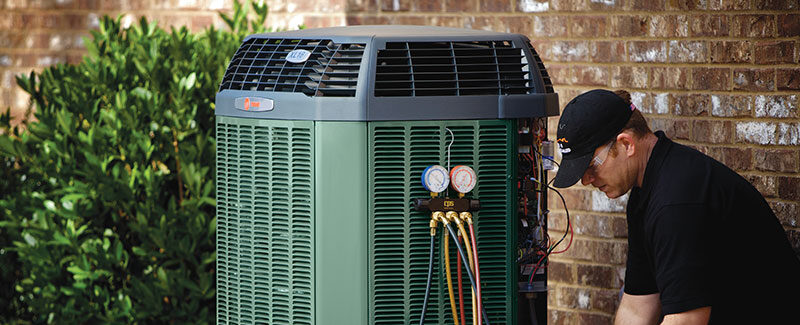
Your HVAC system is the heart of your home’s comfort, working tirelessly to keep temperatures just right year-round. But how often should you service it to ensure it runs efficiently, lasts longer, and avoids costly breakdowns? The answer, backed by industry standards and expert recommendations, is typically twice a year—once in the spring before cooling season and once in the fall before heating season. This schedule maximizes performance, energy savings, and reliability.
In this comprehensive guide, we’ll dive deep into why this frequency is ideal, what factors influence it, the benefits of regular maintenance, and practical tips to keep your system in top shape. Drawing from years of hands-on experience servicing countless HVAC units, we’ve seen firsthand how proactive care prevents emergencies and extends system life. Whether you have a standard furnace and AC combo or a more complex heat pump setup, understanding the right service rhythm is key to optimal indoor comfort.
Why Twice-a-Year HVAC Servicing is the Gold Standard
HVAC professionals universally agree that servicing your system twice annually strikes the perfect balance between prevention and practicality. Spring tune-ups prepare your cooling components—like the air conditioner or heat pump—for the demands of warmer months. Technicians inspect refrigerant levels, clean coils, and check electrical connections to ensure everything is primed for peak performance. Fall visits focus on heating elements, such as the furnace burner and heat exchanger, verifying safe operation before cold weather hits.
This biannual approach isn’t arbitrary. During heavy use, systems accumulate dirt, wear on moving parts, and strain from temperature swings. A single annual service might miss seasonal-specific issues, leading to inefficiency or failure. For instance, neglecting a spring check could mean running a dirty evaporator coil all summer, spiking energy bills by up to 15% due to reduced airflow. Similarly, skipping fall maintenance risks a furnace breakdown mid-winter, turning a minor tune-up into an expensive emergency repair.
From our extensive field experience, systems on this schedule often last 15-20 years or more, compared to 10-12 for those serviced less frequently. We’ve serviced units that hummed efficiently after decades of consistent care, while others failed prematurely from overlooked wear. Adopting this rhythm not only safeguards your investment but also maintains warranty compliance—many manufacturers require proof of regular professional service.
Factors That May Require More Frequent Servicing
While twice a year works for most homes, certain conditions warrant adjustments. Consider your system’s age: Units over 10-15 years old benefit from quarterly checks to monitor accelerating wear. Older compressors, for example, lose efficiency faster, and early detection of refrigerant leaks or belt fraying can prevent total failure.
Usage patterns play a huge role too. Homes with high occupancy, pets, or constant operation—like those running AC nearly year-round in variable climates—generate more dust and strain. In such cases, adding a mid-season inspection every six months ensures filters and coils stay clean, reducing motor overload risks. Environmental factors, such as dusty areas or high humidity, accelerate buildup, making more frequent cleanings essential to avoid mold growth in drain pans or corrosion on components.
System type matters as well. Heat pumps, which handle both heating and cooling, demand twice-yearly attention without fail, as they endure dual-season stress. Furnaces paired with central AC follow the same split-season protocol. For ductless mini-splits or commercial-grade setups, consult a pro for customized plans, potentially including quarterly filter changes or sensor calibrations.
We’ve encountered scenarios where pet owners needed monthly filter swaps alongside biannual services, cutting allergy complaints by half and extending blower life. Tracking your usage via smart thermostats can help tailor the schedule—high runtime alerts signal the need for an extra visit.
The Comprehensive HVAC Maintenance Checklist
A thorough service visit covers far more than a quick look. Technicians start with a full system diagnostic, using specialized tools to measure airflow, static pressure, and temperature differentials. Key tasks include:
- Cleaning or replacing air filters to restore unrestricted airflow, preventing up to 5-15% efficiency loss from clogs.
- Inspecting and washing condenser and evaporator coils to remove dirt, debris, and mold—crucial for heat transfer efficiency.
- Checking refrigerant levels and pressures; low refrigerant often signals leaks that, if ignored, damage compressors costing thousands to replace.
- Tightening electrical connections, lubricating motors and bearings, and testing capacitors to avoid shorts or seizures.
- Clearing condensate drains to prevent water backups that lead to coil freezing or indoor flooding.
- Calibrating thermostats and safety controls, like flame sensors on furnaces, for precise operation and hazard prevention.
- Examining ductwork for leaks, which can waste 20-30% of conditioned air if unsealed.
These steps, performed by certified techs, identify small issues before they escalate. In one case from our service logs, a routine coil cleaning revealed a pinhole leak, saving the customer a full unit replacement. Expect each visit to take 1-2 hours, with detailed reports on findings and recommendations.
DIY Maintenance: What You Can Do Between Professional Services
Professional tune-ups are irreplaceable, but homeowner actions bridge the gaps. Most critically, change air filters every 1-3 months. Pleated filters last up to 90 days in low-dust homes, while fibrous ones need monthly swaps, especially with pets or allergies. A visible dirt layer means it’s time—dirty filters strain blowers, hike energy use by 5-15%, and circulate allergens.
Keep outdoor units clear of vegetation, debris, or snow buildup, maintaining 2 feet of clearance for airflow. Indoor vents should stay unobstructed by furniture. Monitor for red flags like uneven temperatures, strange noises, weak airflow, or rising bills, prompting an early pro call.
Seasonal prep helps too: In spring, hose off condenser fins gently; in fall, check furnace area for dust. Use a soft brush on accessible coils, but avoid high-pressure washing to prevent fin damage. Smart thermostats programmed for efficiency reduce wear—set back 7-10°F when away, saving 10% on bills without sacrificing comfort.
These habits complement pro services, often extending intervals slightly for low-use systems. Track changes in a log to share with techs for better diagnostics.
Benefits of Regular HVAC Servicing: Beyond Comfort
Consistent maintenance yields massive returns. Energy efficiency tops the list: Clean systems run 10-20% more efficiently, slashing utility bills. The U.S. Department of Energy notes that a tuned AC uses less power for the same cooling, compounding savings over years.
Longevity follows—well-maintained units outlast neglected ones by 5-10 years, delaying 5,000-10,000 replacement costs. Indoor air quality improves dramatically as cleaned coils and filters trap dust, pollen, and pathogens, benefiting allergy sufferers. Safety enhances too: Inspected gas furnaces prevent carbon monoxide risks via burner and vent checks.
Environmentally, efficient HVACs cut emissions—equivalent to planting dozens of trees annually per home. Warranties stay valid, and resale value rises with service records proving care. We’ve seen homes sell faster with documented maintenance histories, giving buyers peace of mind.
Cost-wise, preventive care averts emergencies: A tune-up at $100-200 beats a $1,000+ compressor swap. ROI is clear—systems pay back maintenance costs through savings within one season.
Choosing the Right HVAC Service Provider
Not all techs are equal. Seek NATE-certified pros with factory training on major brands. Look for transparent pricing, no-diagnostic-fee policies, and satisfaction guarantees. Established teams like those at Indoor Comfort Team’s Expert HVAC Solutions offer reliable, thorough services backed by experience.
Verify licensing, insurance, and reviews emphasizing communication and cleanup. Ask about maintenance plans bundling biannual visits at discounted rates, often including priority scheduling. For repairs, trust specialists detailed in Comprehensive HVAC Repair and Diagnostic Services, who use proven methods to restore systems swiftly.
Explore their full offerings, such as in Professional HVAC Maintenance Plans for Longevity, for ongoing protection. A good provider educates, preventing issues proactively.
Frequently Asked Questions
How often should I schedule professional HVAC service?
Schedule professional HVAC service twice a year—spring for cooling prep and fall for heating readiness. This prevents breakdowns, boosts efficiency by 10-20%, and extends life. Factors like heavy use or age may require more, but biannual is standard for residential systems. Neglect leads to 5% annual efficiency loss, higher bills, and repairs. Techs perform full inspections, cleaning vital parts. Homeowners changing filters monthly complement this, but pros handle refrigerants, electricals safely. Consistent care maintains warranties, improves air quality, and avoids peak-season rushes. Consult experts for tailored plans based on your setup.
Why is regular HVAC maintenance so important?
Regular maintenance ensures efficiency, longevity, and safety. Dirty components force harder work, raising costs 15%+ and risking failure. Clean systems distribute air evenly, filter pollutants, and run quieter. It catches issues early—like loose wires or low refrigerant—averting $1,000+ fixes. Manufacturers mandate it for warranties; without records, claims deny. Air quality rises as coils shed mold, benefiting health. Energy savings compound: A tuned furnace uses less gas, cutting emissions. From experience, maintained units last 20 years versus 10. Seasonal timing maximizes readiness, preventing winter chills or summer sweats. It’s cheaper than emergencies and preserves home value.
How often should I change my HVAC air filter?
Change filters every 1-3 months, based on type, usage, pets, allergies. Fibrous filters monthly; pleated up to 90 days. Check visually—dirty means replace now. Clogs restrict airflow 20-30%, straining blowers, spiking bills, circulating dust. Pets shed more, demanding frequent swaps. High-use homes or dusty areas accelerate dirt. Proper filters (MERV 8-13) trap particles without impeding flow. DIY task: Power off, slide out old, insert new matching size. Log dates for patterns. Pros during service recommend types suiting needs. This simple habit cuts wear, enhances comfort, complements pro tune-ups for peak performance.
What happens during a typical HVAC maintenance visit?
A visit includes diagnostics, cleaning, testing. Techs measure airflow, temps; clean coils, drains; check refrigerant, belts, motors; tighten connections; test safeties, thermostats. Furnace focus: Burner inspection, heat exchanger cracks. AC: Condenser fins, compressor amps. 1-2 hours yields report with photos, advice. Identifies leaks, wear early. We’ve fixed minor issues averting majors. Expect safety gear, no-mess work. Post-service, system runs smoother, quieter. Customize for heat pumps needing dual checks. Builds history for predictions, warranty proof. Essential for efficiency, preventing surprises.
Can I do HVAC maintenance myself?
Yes for basics: Filter changes, vent clearing, coil hosing (gently). Monitor bills, noises. Avoid refrigerants, electricals, gas lines—hazards without tools/training. DIY saves minor costs but risks damage, voiding warranties. Pros use gauges, vacuums for deep cleans. Combine: Monthly DIY filters, biannual pro. Saves 10-15% energy. Track via apps. If unsure, call experts—better safe. Extends life cost-effectively.
What are signs my HVAC needs servicing sooner?
Watch for weak airflow, uneven temps, high bills, odd noises (rattles, bangs), odors, frequent cycling, humidity issues. These signal clogs, leaks, failures. Spring weak cool air? Fall no heat? Act fast. Ignore risks total breakdown. Early service cheaper. Log symptoms for techs. Prevents $500+ emergencies.
How does HVAC maintenance save money?
Saves via efficiency (10-30% lower bills), longevity (delays $5k+ replacement), averts repairs (tune-up $150 vs. compressor $2k). Warranties intact. ROI quick—one season pays back. Clean runs less, cuts emissions. Homes resell higher with records. Massive long-term value.
Is HVAC maintenance required for warranty?
Yes, most require annual/biannual pro service proof. Lacks it? Claims denied. Keep receipts, logs. Techs stamp or digital reports. Essential for 10-year parts coverage. Neglect voids protection. Plan ensures compliance.
How long does an HVAC tune-up take?
45-120 minutes, depending on system, issues. Simple: 1 hour. Complex heat pump: Longer. Schedule mornings avoid waits. Pros arrive equipped. Post-check test run verifies. Efficient, thorough.
What’s the difference between maintenance and repair?
Maintenance prevents via cleaning, checks. Repair fixes broken—like bad capacitor. Routine avoids repairs. If during service find issue, bundle often discounted. Proactive wins.
In summary, servicing your HVAC system twice a year is the proven path to reliability, savings, and comfort. Start scheduling today with trusted pros to experience the difference.