 Based on 780+ Reviews!
Your AC Is Costing You More Than It Should
Sound familiar? The electric bill shows up in July, and your stomach drops.
You crank the air conditioning, the house barely cools down, and somehow the number on that bill keeps climbing. It’s frustrating — especially when you’ve got a family to think about and a budget that doesn’t stretch as far as you’d like.
Here’s the thing: an old or struggling AC system doesn’t just make you uncomfortable. It quietly drains your wallet every single month. But there are real, practical ways to turn that around — and you don’t have to pay for everything upfront.
This guide covers how to lower your energy bills, when an upgrade actually makes financial sense, and how flexible financing options can make a new system much more affordable than you think.
Why Your Air Conditioning Bill Keeps Going Up
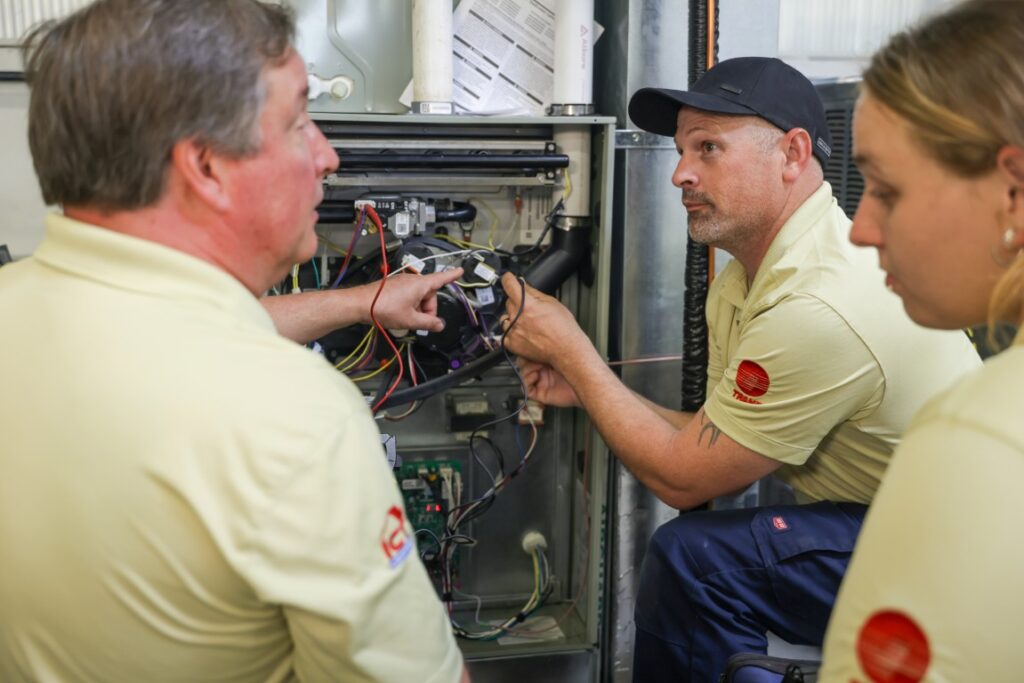
Old systems work harder to do less. That’s the painful truth.
A central air conditioning unit that’s 10 to 15 years old might be running at a SEER (Seasonal Energy Efficiency Ratio) rating of 8 to 10. Today’s modern systems run at 16, 18, even 20+ SEER. That difference translates directly into dollars saved — sometimes 30% to 50% less on cooling costs every year.
The exception is if your home has serious air leaks or poor insulation. Even the best AC system will struggle if conditioned air is pouring out through gaps in your walls or attic. So before blaming the equipment, it’s worth getting a professional to check the whole picture.
| AC System Age | Typical SEER Rating | Est. Monthly Cooling Cost* | Potential Annual Savings vs. New |
| 15+ years old | 8–10 | $180–$220 | Up to $900/year |
| 10–14 years old | 10–13 | $140–$175 | Up to $600/year |
| 5–9 years old | 14–16 | $110–$140 | Up to $300/year |
| New system (current) | 16–20+ | $90–$120 | — |
Estimates based on average U.S. household cooling usage. Actual savings vary by home size, usage, and local utility rates.
Quick Wins That Actually Lower Your Bills Right Now
You don’t have to replace your whole system to see results. Start here.
Set your thermostat smarter. Raising the temperature by just 7 to 10 degrees when no one is home can save up to 10% annually on cooling. A programmable or smart thermostat makes this effortless.
Change your air filter monthly. A clogged filter forces your air conditioning system to work harder and use more energy. This is the single cheapest fix available — filters cost a few dollars, and skipping this one step can raise energy usage by 5% to 15%.
Seal air leaks around doors and windows. Weatherstripping costs almost nothing and stops cooled air from escaping. It’s one of the fastest ways to get more out of the system you already have.
Schedule a tune-up. A professional maintenance visit cleans coils, checks refrigerant levels, and catches small problems before they become expensive ones. Homes with regularly maintained systems see measurably lower energy use year over year.
When Repairs Just Aren’t Enough Anymore
Look, repairs make sense — right up until they don’t.
If your system is more than 12 years old and facing a repair bill over $1,000, the math often points toward replacement. A helpful rule: multiply the repair cost by the unit’s age. If that number exceeds $5,000, a new system is likely the smarter financial call.
Here’s what matters beyond the price tag, though. Newer air conditioning equipment includes features like variable-speed compressors and two-stage cooling that older systems simply can’t match. They don’t just cool your home — they do it more consistently, more quietly, and at a fraction of the energy cost.
You might feel overwhelmed by the idea of replacing your entire AC system. That’s completely understandable. A new system is a major purchase. But here’s where the conversation about financing becomes really important.
Financing Makes Comfort Actually Affordable
You shouldn’t have to choose between staying cool and keeping the lights on.
Flexible financing options exist specifically for situations like this. Indoor Comfort Team, for example, offers 0% financing for up to 72 months on qualifying systems. That’s potentially six years of payments with no interest — which turns a big number into something that genuinely fits a family budget.
Think about what that looks like in practice. A $7,000 system financed at 0% over 72 months comes out to under $100 per month. Factor in the energy savings from switching to a modern, high-efficiency unit, and the net cost feels very different.
The key is making sure the financing terms are clear before you sign anything. Ask about:
The interest rate (and whether it’s truly 0% or deferred interest — these are very different things). The length of the financing term. Any prepayment penalties. Whether the financing is tied to a specific equipment tier.
A company that’s been serving homeowners honestly for decades will walk you through all of this without pressure.
Rebates and Tax Credits: Money You Might Be Leaving on the Table
Here’s a piece most homeowners miss completely.
Federal tax credits are currently available for qualifying high-efficiency air conditioning equipment under the Inflation Reduction Act. Homeowners can potentially claim up to $600 in federal tax credits for eligible central AC systems. Some Trane equipment — installed by a certified dealer — qualifies for these credits.
On top of that, many local utility companies offer their own rebates for upgrading to high-efficiency systems. These rebates vary by provider and location, but they can add up to several hundred additional dollars back in your pocket.
When you add together a rebate, a federal credit, and 0% financing — suddenly that new system looks dramatically more affordable than it did five minutes ago.
How to Choose an AC Company You Can Actually Trust
This part matters more than most people realize.
Air conditioning is a high-stakes decision. If the wrong company installs your system incorrectly, you’ll feel it in every electric bill and every repair call for years to come. You want a company with verified experience, certified technicians, and real accountability.
What to look for: NATE-certified technicians (this is the gold standard in the industry), transparent pricing with no surprise charges, and a satisfaction guarantee that actually means something.
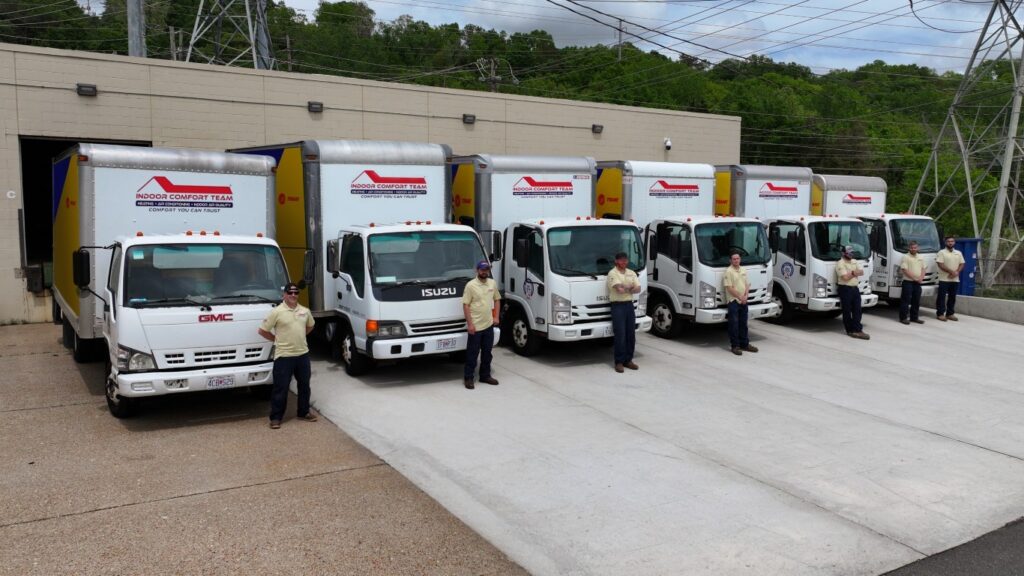
Indoor Comfort Team has been serving the St. Louis area since 1979 — that’s 45+ years of continuous, family-owned operation. With 4,900+ verified Google reviews at a 4.9-star average, their track record is one of the most verifiable in the region. They back every installation with a three-part guarantee: workmanship, satisfaction, and money-back coverage.
That’s not just a company you hire. That’s a company you trust.
Frequently Asked Questions
How much can I actually save by upgrading my air conditioning system?
Homeowners switching from a system that’s 15+ years old to a modern high-efficiency unit often see cooling cost reductions of 30% to 50%. The exact number depends on your current system’s efficiency, your home’s size, and how well the new system is installed. Proper installation by a NATE-certified technician is a big part of getting the savings you’re expecting.
Is 0% financing on a new AC system too good to be true?
Not if it comes from a reputable company with a track record. The key distinction is between “true 0% interest” and “deferred interest” promotions. Deferred interest means you owe all the interest if you don’t pay off the balance by the end of the term. True 0% financing charges no interest regardless. Always ask which type is being offered before you commit.
What maintenance should I do to keep energy bills low after getting a new system?
Change your air filter every 30 to 60 days, keep the outdoor unit clear of debris and vegetation, and schedule an annual professional tune-up before the cooling season starts. These simple steps protect your investment and keep efficiency high for the life of the system.
When does it make more sense to repair versus replace my AC?
A commonly used guideline is the “Rule of 5,000.” Multiply the repair cost by the unit’s age in years. If the result exceeds $5,000, replacement typically offers better long-term value. You should also factor in the energy savings a new system would generate — a more efficient unit can offset a portion of the replacement cost over time.
Stop Dreading That Electric Bill
You deserve to be comfortable in your home — without anxiety every time the utility bill arrives.
The good news is that lowering your air conditioning costs is absolutely achievable. Start with simple maintenance wins. Understand your system’s age and efficiency. And if an upgrade makes sense, know that financing options exist to make it work for your family’s budget.
For St. Louis-area homeowners, Indoor Comfort Team has been the straightforward, trustworthy choice since 1979. Get a no-pressure consultation and find out exactly what your options look like — including today’s financing and available rebates. Because the right answer for your home shouldn’t feel like a gamble.