 Based on 1,000+ Reviews!
It’s 6 a.m., Your Phone Is Buzzing, and Unit 14 Has No Heat
You know the feeling. One furnace quits on a freezing morning, and suddenly you’re juggling texts from tenants, a repair crew that needs access, and three other units that have been “acting weird” for weeks.
Furnace repair is hard enough in a single home. In a building with dozens of units, it’s a scheduling puzzle with real people attached. Tenants work odd hours. Some have dogs. Some never answer the door.
This guide is built for you. You’ll learn how to spot trouble early, how to book access without the back-and-forth, and what to ask any repair company before you hand over the keys. It comes from the kind of thinking Indoor Comfort Team has used in St. Louis homes and buildings since 1979.

Why Furnace Repair Gets Messy in Multi-Unit Buildings
A house has one furnace and one owner to call. Your building has many systems, many schedules, and many opinions.
You might feel overwhelmed by it, and that’s fair. A missed appointment doesn’t just waste a tech’s time. It means a cold tenant, a second trip, and another round of phone calls.
The real problem usually isn’t the furnace. It’s the coordination around it. Access windows, notice requirements, and tenant availability turn a 45-minute fix into a three-day saga.
But here’s what matters: you can fix the process, not just the equipment. And when the process works, repairs get faster and tenants get quieter. (Quiet tenants are a beautiful thing.)
Warning Signs to Catch Before the Midnight Call
Furnaces rarely die without clearing their throat first. Learning the signs saves you from emergency calls and surprise bills.
Strange noises are the first clue. Banging, squealing, and rattling mean something is loose, worn, or struggling. A furnace that turns on and off every few minutes, which techs call short-cycling, is another red flag. It often means the unit is the wrong size for the space or has an airflow problem.
Uneven heat is a third sign. If one unit is toasty and the one next door is chilly, the issue could be ductwork, a failing part, or a system that’s working too hard. Rising energy bills with no change in weather are worth a look too.
The exception is a brand-new tenant who simply doesn’t know how the thermostat works. Check that first. It’s a free fix.
Want to know the secret? Ask your tenants to report small complaints early. A simple “tell us about any odd noises or cold spots” notice in your fall newsletter can save you thousands.
The Scheduling Playbook for Dozens of Units
This is where most property managers lose their weekends. So let’s make it simple.
Batch your repairs by building zone
Don’t send a tech to one unit, then another a day later, then a third on Friday. Group nearby units and book them in one visit. Your tenants get fewer disruptions, and you get fewer trips on the invoice.
Give tenants a real window, not a vague promise
“Sometime Tuesday” makes everyone grumpy. A two-hour window with a reminder text the day before does wonders. Tenants can plan. Techs can walk in without a surprise.
Decide on access rules before the crisis
Who holds the keys? Does the tenant need to be home? What’s your legal notice period for entry? Write it down once, and your repair partner can work inside those rules every time.
It’s frustrating when a tech arrives and nobody can open the door. A clear access plan stops that cold. You can also use the online scheduling page to book visits without playing phone tag.
Repair or Replace? How to Decide Building-Wide
This is the question that keeps managers up at night. Do you keep patching a 20-year-old furnace, or spend real money on a new one?
Honestly? Sometimes a $300 repair buys you three more good years. Other times you’re feeding a dying system dollar after dollar. The trick is getting an honest answer from someone who isn’t paid to push the bigger sale.
That’s why the diagnosis matters so much. At Indoor Comfort Team, the owner is a mechanical-engineering-trained pro who built the company around solving the problem correctly the first time. You can read more on the Meet the Owner page. The approach is simple: figure out what’s wrong, explain why, and say so when a repair is all you need.
Here’s a quick way to think about it.
Situation | Usually Best Move | Why |
Furnace under 10 years old, single failed part | Repair | Parts are cheap compared to the system’s remaining life |
Furnace 15+ years old, repeated breakdowns | Compare repair vs. replacement | Repair bills stack up fast, and efficiency drops with age |
Cracked heat exchanger | Replace | This is a safety issue, not a repair candidate |
Furnace is oversized and short-cycling | Evaluate sizing, then decide | A right-sized system fixes the cause, not just the symptom |
Several units in the same building failing in the same year | Plan a phased replacement | Spreads cost and avoids winter emergencies |
When replacement does make sense, you don’t have to swallow the whole bill at once. Check out the financing options and the details on heating installation to plan ahead.
What to Ask Before You Hire a Furnace Repair Company
Not every contractor is built for a building full of tenants. Here are the questions worth asking.
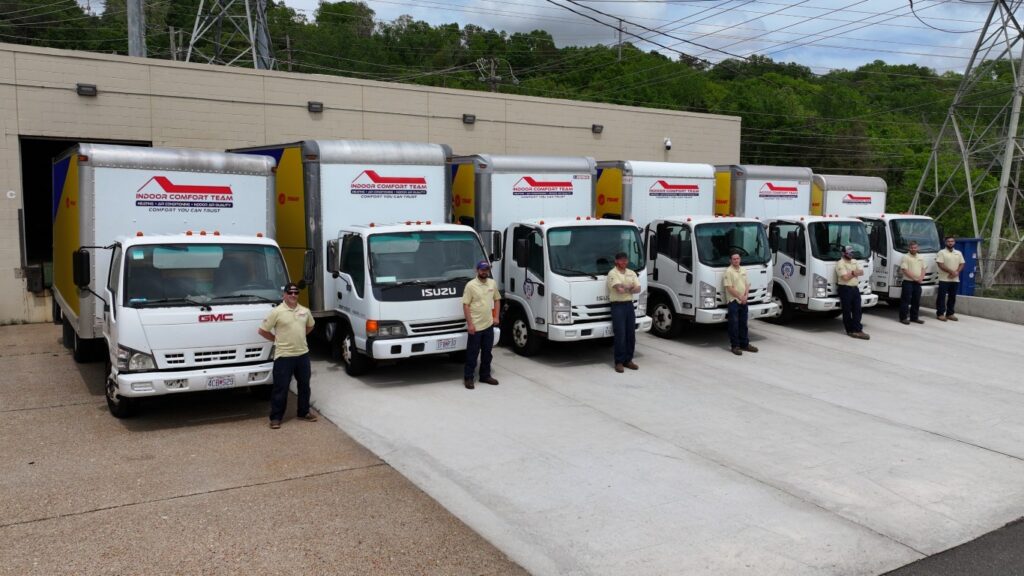
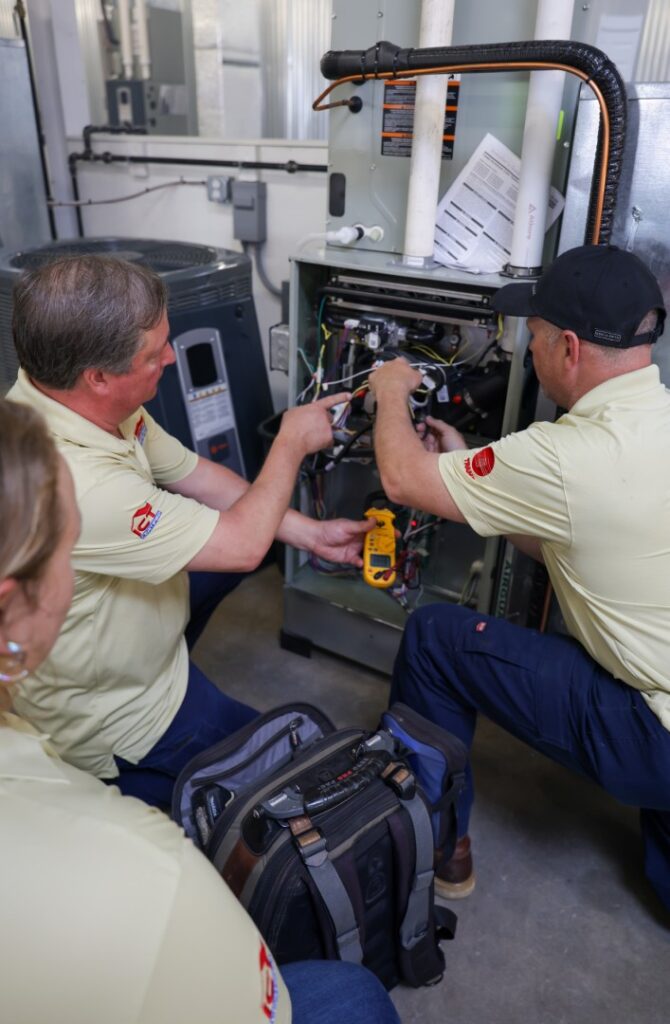
Does the company use its own employees or subcontractors? This matters more than people think. When the same background-checked technicians show up each time, tenants feel safer and the techs learn your building’s quirks. Indoor Comfort Team uses no subcontractors, and its techs are background-checked and NATE-certified. You can meet some of them on the team page.
How are technicians trained? Training is the difference between a guess and a diagnosis. The company runs its own ICT Certification Program to keep skills sharp.
Will they quote the price before the work starts? Upfront pricing is a must. Surprises are fine at birthday parties, not on repair invoices.
And finally, do they cover your area? Whether your property sits in Missouri or Illinois, check the service area so you know help is close.
Not sure which of these matter most for commercial-style buildings? The commercial HVAC page explains how the team handles larger properties.
Stop Fires Before They Start: Maintenance That Pays for Itself
Here’s the part nobody wants to hear. The cheapest furnace repair is the one you never need.
A yearly tune-up catches worn belts, dirty burners, and weak igniters while they’re still small. For a property manager, that’s a calendar item worth protecting. Schedule it in early fall, before the first cold snap, when techs have room in their days and tenants aren’t yet shivering.
A maintenance plan helps here, too. The VIP Club Plan is built around keeping your equipment on file and your visits on a regular schedule. When the same team knows your system’s history, they spot patterns faster. That “weird noise in Building C” starts to make sense.
You might feel a little relieved just reading that. It’s a real relief to know the plan exists.
Furnace Repair Planning Timeline for Property Managers
Want something to pin on the wall? This table shows when to do what.
When | What to Do | Payoff |
Late summer | Walk the building and list older furnaces | You know which units are at risk |
Early fall | Book tune-ups in batches by zone | Fewer tenant disruptions |
Before first freeze | Send a tenant notice about reporting problems early | Small issues surface before they turn into emergencies |
Winter | Keep a priority contact for no-heat calls | Faster response when it counts |
Spring | Review repair history and plan replacements | Budget the big jobs on your terms |
It’s not fancy. But it works, and it turns “panic season” into something you can manage.
Frequently Asked Questions
How fast can I get furnace repair for a no-heat emergency in a multi-unit building?
It depends on the season and the day, but a good company treats no-heat calls as a priority, especially when tenants are affected. The smartest move is to set up your contact and access info before winter, so a crew can start without delay. You can reach the team through the contact page any time.
Should I repair or replace an old furnace in a rental unit?
Look at age, repair history, and safety. A furnace over 15 years old with repeated breakdowns often costs more to patch than to replace. A cracked heat exchanger is a replacement every time. If it’s a single worn part on a younger unit, repair usually wins. An honest diagnosis tells you which case you’re in.
How do I handle tenant access for furnace repair?
Know your local notice rules, give tenants a clear time window, and send a reminder the day before. Batch nearby units into one visit when you can. Having a written access plan, including who holds keys, prevents most missed appointments.
How often should furnaces in my building be serviced?
Once a year is the standard, ideally in early fall. Older units or high-use systems may benefit from extra attention. Regular service catches small problems before they become no-heat calls.
Take the Stress Out of Furnace Season
Let’s pull it together. Multi-unit furnace repair isn’t hard because of the furnaces. It’s hard because of the people, the schedules, and the surprises.
Catch warning signs early. Batch your visits. Set access rules before you need them. Get an honest repair-or-replace answer. And lean on a team that stays the same year after year, so they actually know your buildings.
Indoor Comfort Team has spent decades solving home comfort problems across the St. Louis area, one honest diagnosis at a time.
Ready to get ahead of it? Visit the heating repair page or request service today. Your tenants (and your phone) will thank you.