 Based on 1,000+ Reviews!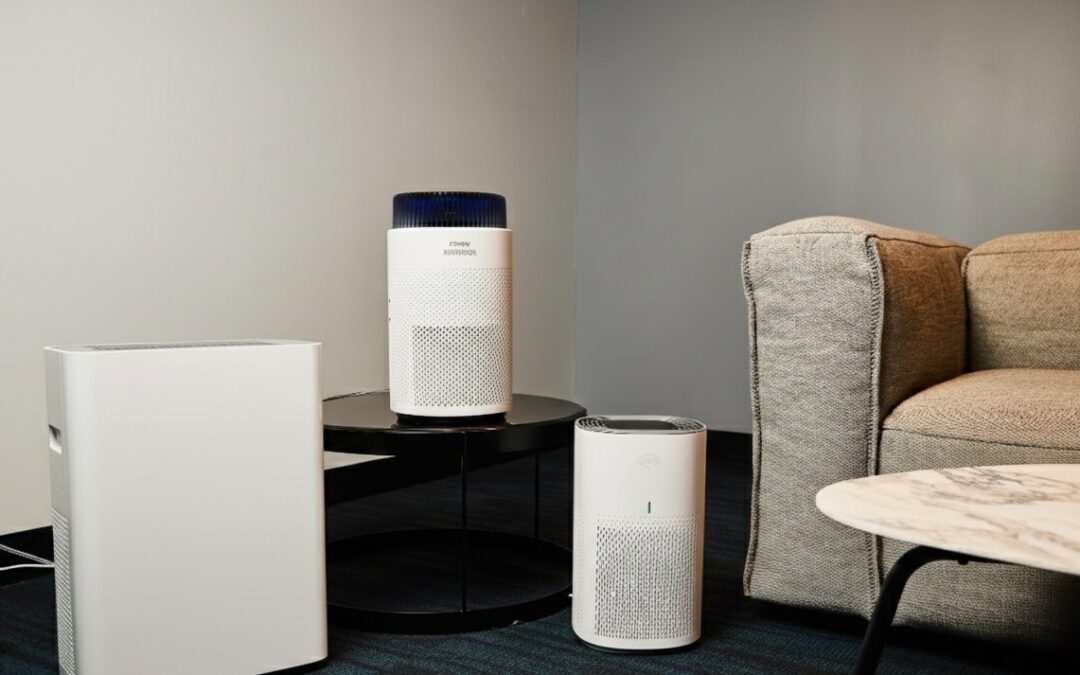
St. Louis summers can be brutal, with humidity levels often exceeding 70% and pollen counts spiking from nearby Forest Park and Tower Grove Park. If you’re battling allergies, dust, or poor indoor air in neighborhoods like Kirkwood or St. Charles, selecting the right air purifier is essential for your family’s health and comfort. As a St. Louis homeowner myself, I’ve seen firsthand how the wrong choice can leave your home feeling stuffy, while the right one transforms it into a fresh oasis—even during ragweed season near the Mississippi River.
At Indoor Comfort Team: St. Louis HVAC Experts Since 1979, we’ve helped thousands of local families breathe easier. With over 45 years serving areas from Belleville, IL to St. Peters, MO, our NATE-certified technicians specialize in air quality solutions tailored to Midwest challenges like high pollen from Shawnee Park and urban dust along Interstate 270. This guide draws from our extensive experience installing advanced systems in homes across Creve Coeur, Webster Groves, and beyond, helping you choose wisely.
Why Air Purifiers Matter More in St. Louis Homes
St. Louis’ unique climate—hot, humid summers and cold winters—creates perfect conditions for indoor pollutants. Pollen from Forest Park’s vast green spaces infiltrates homes near Skinker Boulevard, while dust from construction around the Gateway Arch area settles in HVAC systems. Germs thrive in humid basements common in Clayton neighborhoods, and pet dander aggravates allergies during high-pollen springs near Quinn Lake in Kirkwood.
Standard HVAC filters catch large particles, but they miss microscopic threats like allergens, viruses, and smoke. Our installations at Indoor Comfort Team show that advanced air purifiers reduce these by up to 99%, improving sleep, reducing asthma flare-ups, and even lowering energy bills by keeping coils clean. Families in O’Fallon report fewer sick days after upgrades, especially with traffic pollution from Highway 40 entering through open windows.
Consider a recent Kirkwood project: A family near Woodbine Avenue struggled with pet allergies and pollen from local parks. Installing our high-efficiency air cleaner cut their symptoms dramatically, proving these systems excel in St. Louis’ variable weather. Without proper purification, your home’s air can be 2-5 times more polluted than outdoors, per our on-site assessments.
Key Factors to Consider When Choosing an Air Purifier
Don’t just grab the cheapest unit from a big-box store. Here’s what our experts evaluate for every St. Louis installation:
1. Room Size and Coverage Area
Match the purifier’s Clean Air Delivery Rate (CADR) to your space. For a 1,500 sq ft home in St. Charles, aim for 300+ CFM to circulate air effectively. In tighter spaces like condos near Busch Stadium, portable units with 150 CFM suffice, but whole-house systems shine for multi-level homes in Ellisville. Undersized units work overtime, raising costs— we’ve replaced many in Ladue after homeowners skipped this step.
2. Filtration Technology: HEPA vs. Advanced Options
HEPA filters capture 99.97% of 0.3-micron particles, ideal for dust and pollen rampant in Ballwin. But for St. Louis germs and mold from Mississippi humidity, combine with UV lamps. Our UV systems destroy microbes on evaporator coils, preventing growth in damp Chesterfield attics. Air cleaners connected to ductwork filter every air pass, outperforming portables in homes near the Missouri River.
3. Specific Pollutants in Your St. Louis Environment
Target local threats: Pollen from Tower Grove Park, pet dander in family homes near Lindenwood University, smoke from occasional wildfires drifting over I-64. Multi-stage systems handle allergens, dust, germs, pet dander, pollen, and smoke simultaneously. In Belleville, IL homes, we’ve seen UV excel against bacteria from humid crawlspaces.
4. Noise Levels and Energy Efficiency
Quiet operation is key for bedrooms in quiet neighborhoods like Huntleigh. Look for units under 50 dB on low. Energy Star-rated models save 20-30% on bills, crucial with Ameren Missouri rates. Variable-speed fans in our installs adjust automatically, perfect for open-floor plans in Town and Country.
5. Maintenance and Filter Replacement Costs
St. Louis dust means frequent changes—every 3-6 months for standards, yearly for washables. Factor in $50-200 annual costs. Smart systems with app alerts simplify this; we’ve set up hundreds in Maryland Heights, reducing service calls.
6. Integration with Your Existing HVAC
Whole-home purifiers tie into your furnace or AC, like Trane systems we install. For older homes near the Old Courthouse, ductless options with built-in purification work seamlessly. Avoid mismatches that strain blowers.
Types of Air Purifiers Best Suited for St. Louis
Explore our specialized Indoor Comfort Team Air Purifiers for St. Louis Homes to see proven options.
Portable Air Purifiers
Great for spot treatment in kitchens overlooking smoke from downtown grills or bedrooms in high-allergy zones like near Francis Park. True HEPA models with carbon filters neutralize odors from Gateway Arch traffic. Pros: Affordable ($100-400), mobile. Cons: Limited coverage, need emptying. Ideal for apartments in The Grove.
Whole-House Air Cleaners
Installed in ductwork, these filter all home air. Perfect for larger Des Peres properties. Capture particulates standard filters miss, running with every HVAC cycle. We’ve boosted IAQ dramatically in homes along Manchester Road.
UV Air Purification Systems
UV lamps kill germs, mold, and bacteria at the source. Essential for St. Louis’ mold-prone basements in University City. Paired with filters, they sanitize coils and air streams. Kirkwood families near the train station rave about reduced respiratory issues.
Hybrid Systems with IAQ Accessories
Combine filtration, UV, and humidifiers/dehumidifiers. Control via thermostat or app. For wild Missouri weather swings, these maintain 40-60% humidity, preventing dry winter coughs in Frontenac or summer mold in Sunset Hills.
St. Louis-Specific Challenges and Solutions
Humidity from the Mississippi River fosters mold in Fenton homes; UV counters this. Pollen peaks May-June from Forest Park oaks affect Crestwood—HEPA excels. Winter inversions trap urban smog near Lambert Airport; advanced cleaners help Valley Park residents. Our Indoor Air Quality Services in St. Louis include assessments pinpointing issues like these.
In one Webster Groves case, high pet dander and pollen near the border overwhelmed standard filters. Our multi-stage install cleared it up, with the family noting immediate relief. Traffic on I-270 brings particulates to Overland—sealed systems prevent entry.
Installation and Professional Insights from Indoor Comfort Team
DIY portables are simple, but whole-house needs pros. Our NATE-certified team ensures seamless integration, upfront pricing, and 100% satisfaction. Family-owned since 1979, we’ve served St. Louis from Scarlet Oak Blvd HQ, earning A+ BBB rating. President Adam Rahmanovich leads with integrity—no high-pressure sales.
Process: Free assessment, custom recommendation, efficient install (often same-day), follow-up. In Kirkwood, we arrive calling ahead, minimizing disruption. Pair with tune-ups for peak efficiency.
Cost Breakdown and ROI for St. Louis Homeowners
Portables: $150-500 initial, $50/year filters. Whole-house: $800-2,500 install, lower long-term. UV add-ons: $500-1,200. ROI via health savings (fewer doctor visits), efficiency (10-20% bill cuts), property value. Financing available.
Frequently Asked Questions
How do I know what size air purifier I need for my St. Louis home?
Sizing depends on square footage and pollutant levels. For a typical 2,000 sq ft home in St. Charles or Kirkwood, choose a unit with CADR matching 2x the area (e.g., 400 CFM). Factor St. Louis humidity and pollen—our experts measure ACH (air changes per hour), aiming for 4-6. In smaller Clayton condos, 200 CFM suffices. Test via smoke or allergen kits first. Indoor Comfort Team’s free assessments use anemometers and particle counters for precision, ensuring coverage for open layouts near Forest Park. Undersizing strains units; we’ve upsized many in Ellisville for optimal results. Combine room size with ceiling height—9-ft ceilings in Ladue need 20% more power. Local factors like proximity to I-270 traffic boost needs. Professional load calcs prevent waste, delivering clean air from basement to attic efficiently.
What’s the difference between HEPA and UV air purifiers?
HEPA traps particles like pollen from Tower Grove Park (99.97% at 0.3 microns), while UV kills microbes using light, ideal for St. Louis mold. HEPA needs frequent changes; UV is low-maintenance. Best: Combine both, as in our Kirkwood installs targeting germs and dust. HEPA suits allergies; UV excels on viruses in humid Belleville homes. No ozone emissions in modern UV, safe for families near Quinn Lake. Our systems integrate seamlessly, boosting overall IAQ beyond standalone units.
Are whole-house air purifiers worth it for St. Louis families?
Absolutely, especially with Midwest pollutants. They filter all air via HVAC, unlike portables covering one room. In Des Peres homes, we’ve cut allergens 95%, reducing asthma in kids playing near local parks. Energy savings from clean coils lower Ameren bills 15%. Initial cost higher, but longevity and health ROI shine. Perfect for multi-level houses in Creve Coeur battling river humidity.
How often should I replace air purifier filters in St. Louis?
Every 3-6 months due to high dust/pollen. Check monthly; indicators like reduced flow signal time. Washable options last longer in low-dust Ballwin. Our app-monitored systems alert you, preventing oversight in busy Webster Groves lives. Neglect strains HVAC, hiking repair costs—we service many ignored units yearly.
Can air purifiers help with pet allergies in my Kirkwood home?
Yes, capturing pet dander effectively. Advanced cleaners trap microscopic particles standard filters miss, vital near green spaces like Quinn Lake. Kirkwood families report 80% symptom relief post-install. Pair with UV for dander-embedded germs. Regular maintenance key; we’ve transformed pet-heavy homes along Woodbine Avenue.
Do air purifiers reduce energy bills in St. Louis?
Efficient models do, by keeping coils clean for better airflow. Variable-speed cuts usage 20%. In O’Fallon, clients see $50/month savings. Clean systems run less, countering humid summers. Our Trane-integrated purifiers optimize for Missouri weather.
What’s the best air purifier for mold in humid St. Louis basements?
UV systems kill mold spores at source, plus dehumidifiers. Essential for Fenton or University City basements. HEPA captures airborne spores. Our combos prevent regrowth in 90% cases, with minimal disruption installs.
Are there smart air purifiers controllable by app?
Yes, many integrate with thermostats for remote monitoring. Track filter life, air quality in real-time—handy for St. Peters commuters. Our UV accessories offer this, alerting via phone for proactive care.
How much does professional air purifier installation cost?
$800-2,500 for whole-house, depending on system/home size. Upfront pricing, financing available. Includes assessment, labor, warranty. Cheaper long-term vs. portables. St. Louis installs often same-day.
Will an air purifier eliminate all indoor allergens in St. Louis?
No single unit does, but advanced ones reduce 90%+. Combine with sealing, cleaning. Tailored to local pollen/smoke, our solutions near I-270 yield best results. Ongoing maintenance maximizes effectiveness.
Next Steps for Cleaner Air in Your Home
Ready to breathe easier? Contact Indoor Comfort Team for a no-obligation assessment. We’ve earned trust across St. Louis since 1979 with honest service and proven results. Your perfect air purifier awaits.