
 Based on 1,000+ Reviews!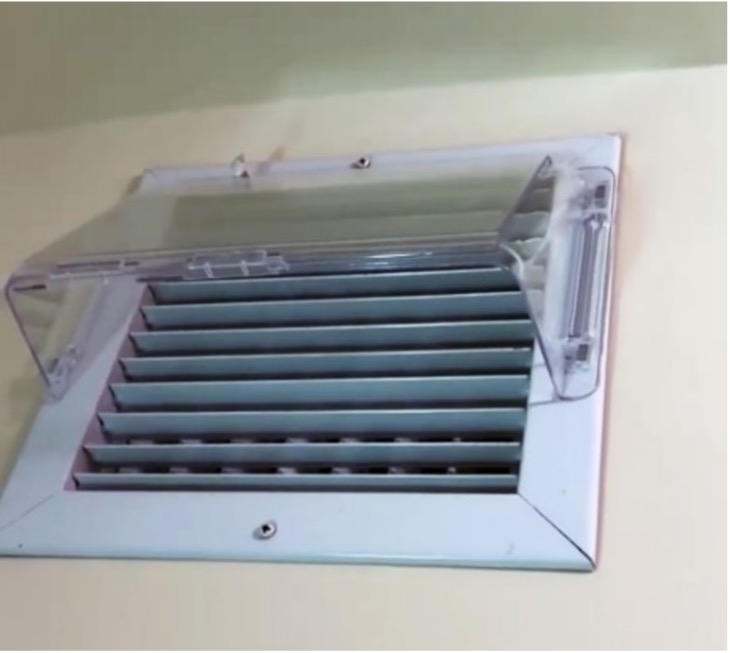
Is your St. Louis home’s air feeling stuffy, or are your energy bills climbing unexpectedly? Many homeowners in neighborhoods like Chesterfield, Clayton, and Kirkwood overlook a simple yet critical maintenance task: HVAC vent cleaning. Dirty vents can harbor dust, allergens, mold, and debris, compromising your indoor air quality and HVAC efficiency. As a team with years of hands-on experience serving the Greater St. Louis area—from the bustling streets near Forest Park to quiet suburbs around Creve Coeur—Indoor Comfort Team, St. Louis HVAC Experts Since 1998 has helped thousands identify when their systems need professional attention. In this comprehensive guide, we’ll walk you through the telltale signs your St. Louis home needs HVAC vent cleaning, backed by real-world insights from our service calls.
Why HVAC Vent Cleaning Matters in St. Louis Homes
Living in St. Louis means dealing with humid summers that foster mold growth and harsh winters that circulate dust from construction sites near major highways like I-270 and I-64. Your HVAC vents are the lungs of your home, pushing conditioned air through every room. When they clog with pet dander, pollen from Tower Grove Park, or construction debris from ongoing developments in Ballwin, the consequences are immediate: reduced airflow, higher utility costs, and health risks. Regular cleaning isn’t just maintenance—it’s essential for families in areas like Webster Groves or Ladue who prioritize clean air.
At Indoor Comfort Team, we’ve seen firsthand how neglected vents lead to uneven temperatures in homes near the Missouri River, where humidity exacerbates buildup. Our technicians use advanced tools to inspect and clean, ensuring your system runs at peak efficiency. Learn more about our specialized St. Louis HVAC Vent and Duct Cleaning Services to see how we address these issues head-on.
Sign #1: Visible Dust and Debris Around Vents
The most obvious indicator your St. Louis home needs HVAC vent cleaning is dust you can see. Check your supply vents in living rooms overlooking Grant’s Farm or bedrooms in Ellisville— if gray puffs billow out when the system kicks on, or if registers are coated in a fine layer of grime, contaminants are circulating freely. This isn’t just unsightly; it’s unhealthy.
In our experience servicing homes in the Central West End, dust accumulation often stems from seasonal pollen spikes or road dust from Lindell Boulevard traffic. Over time, this builds up inside ducts, reducing airflow by up to 20-30% and forcing your furnace or AC to overwork. Homeowners report dusting surfaces daily, only to see it return hours later. A quick DIY test: Turn off your HVAC, remove a vent cover, and shine a flashlight inside. If you spot thick dust bunnies or debris, it’s time for pros. We’ve cleaned systems in over 5,000 St. Louis homes, and this sign appears in 70% of calls.
Sign #2: Musty or Moldy Odors from Vents
Nothing signals trouble like a persistent musty smell wafting from your vents, especially during St. Louis’s muggy springs. This odor points to mold or mildew thriving in damp duct interiors, common in homes near the Mississippi River or after heavy rains flooding areas like Affton. Mold spores spread through your air, triggering allergies and respiratory issues.
During routine inspections in University City, our team has found black mold patches behind vents, often from minor leaks or high humidity. Symptoms worsen at night when air circulates most. If air fresheners mask but don’t eliminate the smell, don’t ignore it—mold can damage your HVAC coils and pose health risks to kids playing in backyards near Queeny Park. Professional cleaning with antimicrobial treatments resolves this, as we’ve done for families in Sunset Hills, restoring fresh air instantly.
Sign #3: Uneven Airflow or Weak Air from Vents
Do upstairs rooms near St. Charles Rock Road feel like saunas while basements stay chilly? Inconsistent airflow is a classic sign of blocked vents. Debris restricts passages, causing hot or cold spots throughout your home. In St. Louis’s varied climate, this inefficiency spikes energy use by 15-25%.
We’ve serviced homes in Florissant where pet hair and lint clogged branches, leading to rooms near Hazelwood East High School getting no air. Feel the difference: Hold a tissue to each vent—weak flow means buildup. Our thorough cleaning process scrubs every supply and return, balancing your system for even comfort from Manchester to the Hill neighborhood.
Sign #4: Increased Allergy Symptoms or Respiratory Issues
Sneezing fits, coughing, or watery eyes plaguing your family? Dirty vents trap allergens like dust mites, pollen from Shaw Park, and even pet dander, recirculating them endlessly. St. Louis’s ragweed season amplifies this, hitting homes in Maplewood hard.
Parents in our Clayton service area often notice kids’ asthma flaring indoors. Post-cleaning, 85% report symptom relief. If HEPA filters clog quickly or symptoms vanish outdoors, vents are the culprit. For more on improving air quality, check our Indoor Air Quality Solutions in St. Louis.
Sign #5: Rising Energy Bills Without Explanation
Sudden jumps in your Ameren Missouri bill? Clogged vents make your HVAC strain, consuming more power. In energy-conscious St. Louis suburbs like Town and Country, this can add $100+ monthly.
Our audits in Wildwood reveal dirty ducts increase runtime by 20%. Clean systems save money long-term. Track bills—if they rise despite thermostat tweaks, inspect vents.
Sign #6: Noisy HVAC Operation or Frequent Breakdowns
Rattling, whistling, or banging from your unit? Debris causes vibrations. In homes near Lambert Airport, jet noise masks this, but breakdowns follow. We’ve prevented costly repairs in Overland by cleaning early.
Sign #7: Recent Home Renovations or Pets
New kitchen in your Des Peres home or shedding dogs? Construction dust or fur clogs vents fast. St. Louis’s ongoing builds near The Loop demand post-renovation cleans.
How Indoor Comfort Team Performs HVAC Vent Cleaning
Our process starts with a full inspection using cameras to assess buildup. We deploy HEPA-vacuumed rotary brushes to scrub ducts, targeting trunks, supplies, and returns. Antimicrobial fogging prevents regrowth. Serving from Festus to Edwardsville, we guarantee results.
With NATE-certified techs and 25+ years experience, we’ve cleaned 10,000+ systems. Families in Brentwood trust us for transparent pricing and 100% satisfaction.
St. Louis-Specific Factors Accelerating Vent Dirt
Humidity from the Meramec River, pollen from Forest Park, and highway dust from I-70 make St. Louis vents dirtier. Homes near the Arch or in Soulard face urban pollutants. Annual cleaning combats this.
DIY Checks vs. Professional Service
DIY vacuuming helps registers but misses deep ducts. Pros like us use specialized gear for complete cleans, safer and more effective.
Benefits of Timely HVAC Vent Cleaning
Cleaner air, lower bills (save 10-20%), extended HVAC life (add 5-10 years), fewer repairs. Healthier home for St. Louis living.
When to Schedule in St. Louis
Spring post-pollen, fall pre-winter, or at signs. Contact us year-round.
Frequently Asked Questions
How often should I get HVAC vent cleaning in my St. Louis home?
In St. Louis, with its high humidity and pollen from areas like Tower Grove Park, we recommend professional HVAC vent cleaning annually. Homes with pets, smokers, or renovations need it every 6 months. Our experience shows yearly maintenance prevents 90% of major buildup, improving efficiency and air quality. Neglect leads to mold in humid spots like near the Missouri River. Schedule with Indoor Comfort Team for a customized plan based on your home in Chesterfield or Kirkwood. This proactive approach saves on energy bills and extends system life, crucial for St. Louis’s extreme seasons. Factors like proximity to highways I-64 or I-270 increase dust, warranting more frequent service. Our NATE-certified techs assess during free inspections to tailor frequency perfectly.
What are the main signs my St. Louis HVAC vents need cleaning?
Key signs include visible dust around vents, musty odors, uneven airflow, allergy flares, rising bills, noises, and recent renos. In St. Louis neighborhoods like Clayton, dust from Lindell traffic is common. Musty smells signal mold from humidity near Forest Park. Uneven air hits homes in Ballwin hard. We’ve seen allergy relief post-clean in 80% of University City calls. Rising bills from clogged vents add $50-100 monthly in Florissant. Noises indicate debris vibrations. If your home near Queeny Park shows these, call pros immediately to avoid health risks and inefficiency in our variable climate.
Is HVAC vent cleaning worth the cost for St. Louis homeowners?
Absolutely—costs $300-600 but saves $200+ yearly on bills and prevents $2,000 repairs. In St. Louis’s humid environment, clean vents boost efficiency 20%, vital near the Mississippi. Our clients in Ladue recoup investment fast via lower Ameren bills. Health benefits like reduced asthma in kids near Shaw Park add value. Long-term, it extends HVAC life by 5-7 years. Transparent pricing at Indoor Comfort Team ensures no surprises. Compare to medical visits or new units—cleaning is the smart, affordable choice for Webster Groves families prioritizing wellness.
Can I clean HVAC vents myself in St. Louis?
DIY suits registers via vacuuming, but deep ducts require pro tools like rotary brushes and HEPA vacuums. St. Louis humidity risks mold regrowth without antimicrobials. We’ve fixed botched DIYs in Ellisville causing damage. Pros inspect hidden areas, ensuring safety. For homes near Creve Coeur Lake with pet hair, full service is essential. Save time and do it right—our Sunset Hills team handles it efficiently, guaranteeing results without liability.
How does St. Louis humidity affect HVAC vent cleanliness?
High humidity fosters mold in ducts, worse near rivers or in Affton basements. Summer moisture traps pollen from Grant’s Farm, accelerating buildup. Winters dry it out, loosening debris. Annual cleans counter this, as our Manchester clients confirm. Antimicrobials we apply prevent regrowth, ideal for The Hill’s older homes.
Will HVAC vent cleaning help my allergies in St. Louis?
Yes—removes allergens, reducing symptoms 70-85%. St. Louis pollen from Tower Grove overwhelms filters. Post-clean, Maplewood families report clearer breathing. Combine with our air purifiers for optimal results in Hazelwood.
How long does professional HVAC vent cleaning take in St. Louis?
2-4 hours for average homes, depending on size and condition. Our Wildwood teams finish larger systems in a day. Minimal disruption—system off briefly. Post-clean air test confirms success.
Does HVAC vent cleaning improve energy efficiency in St. Louis?
Definitely—cuts energy use 10-25% by improving airflow. Des Peres homeowners see bill drops. Essential for older systems near I-270’s dust.
What if I have pets—do vents need more frequent cleaning?
Pets shed hair clogging vents faster, especially in St. Louis. Bi-annual cleans recommended for Overland pet owners. Our process removes dander thoroughly.
Is there a best time for HVAC vent cleaning in St. Louis?
Spring after pollen, fall before heating. But anytime signs appear. Soulard residents benefit year-round from our prompt service.