
 Based on 1,000+ Reviews!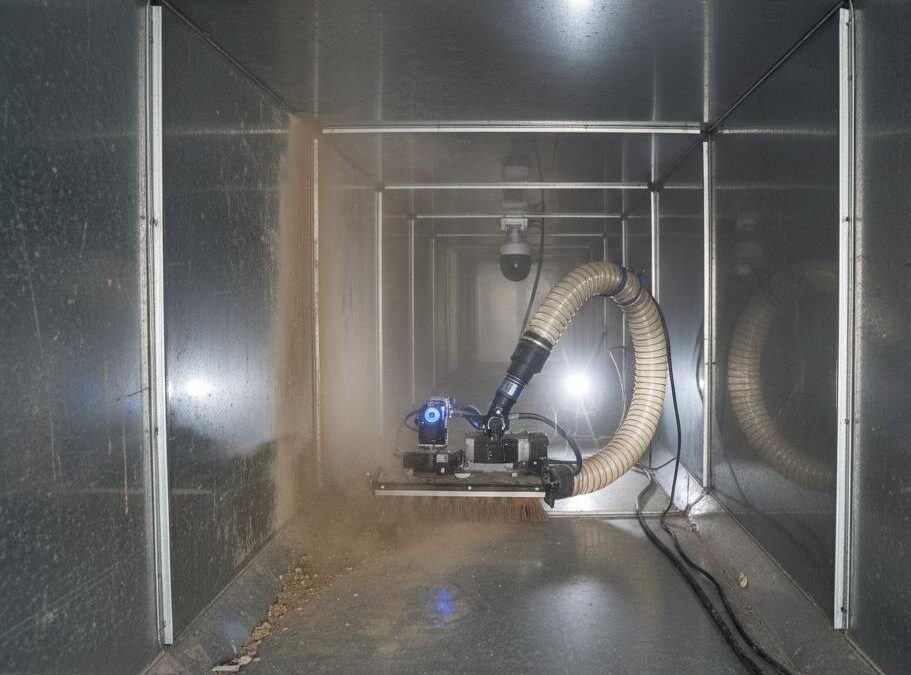
HVAC vent cleaning in St. Louis is a vital service that removes dust, debris, allergens, and contaminants from your home’s air ducts and vents. For St. Louis homeowners facing humid summers and cold winters, this process ensures cleaner air, better system efficiency, and improved health.
Living in neighborhoods like Chesterfield, Clayton, or near Forest Park, you rely on your HVAC system year-round. But over time, vents accumulate dirt from high humidity, pollen from Tower Grove Park, and construction dust common in growing areas around Washington University. The Indoor Comfort Team, St. Louis HVAC Experts specializes in thorough vent cleaning tailored to local homes. This comprehensive guide explores what HVAC vent cleaning involves, why it’s crucial for St. Louis residents, and how it benefits your family and wallet.
What Exactly is HVAC Vent Cleaning?
HVAC vent cleaning, often called air duct cleaning, targets the network of ducts, registers, and vents in your heating, ventilation, and air conditioning system. Professional technicians use specialized tools like high-powered vacuums, rotary brushes, and HEPA filters to dislodge and extract built-up contaminants. In St. Louis, where seasonal changes bring pollen from Shaw Park and mold risks from Mississippi River humidity, this service prevents pollutants from recirculating through your home.
The process starts with a thorough inspection using cameras to assess duct condition. Technicians then seal off vents to contain debris, agitate the interior surfaces to loosen grime, and vacuum everything into a containment unit. Unlike basic filter changes, this deep clean reaches hidden areas, ensuring every inch of your system breathes freely. Homeowners in areas like Ladue or near the Gateway Arch notice fresher air immediately after service.
Why focus on vents specifically? Vents are entry points for everyday pollutants. Dust from traffic on I-270, pet dander in family homes near Lindenwood University, and even insulation particles from older Kirkwood houses settle here. Cleaning restores proper airflow, which is essential in St. Louis’ variable climate where systems run constantly from June heatwaves to January freezes.
Why is HVAC Vent Cleaning Important for St. Louis Homeowners?
Cleaner vents mean healthier homes, especially in a city with allergy seasons amplified by local flora around Creve Coeur Lake. Dirty ducts force your HVAC to work harder, spiking energy bills amid Missouri’s rising utility costs. According to industry standards, unclean systems waste 25 to 40 percent of energy on heating and cooling. For a typical St. Louis household, that’s hundreds of dollars lost yearly.
Health benefits stand out. Indoor air can be 2 to 5 times more polluted than outdoors, per EPA insights echoed in local HVAC practices. Allergens, mold spores from humid basements near the Missouri River, and bacteria thrive in neglected vents, aggravating asthma in families near SLU or schools in Webster Groves. Post-cleaning, residents report fewer sneezes, less dust on furniture in Ballwin homes, and better sleep.
Efficiency gains extend system life. St. Louis’ extreme weather—scorching 100-degree summers and sub-zero winters—stresses HVAC units. Clogged vents reduce airflow, overworking blowers and coils. Regular cleaning prevents breakdowns, avoiding costly repairs during peak seasons when St. Louis Air Duct Cleaning Services by Indoor Comfort Team sees high demand.
Local factors amplify urgency. High humidity fosters mold in ducts, a common issue in South City homes near Tower Grove South. Construction booms around The Hill neighborhood leave sawdust and drywall residue. Pet owners in West County or smokers in bungalows near Compton Heights face extra buildup. Cleaning mitigates these, protecting vulnerable groups like kids playing in Forest Park or seniors in Sunset Hills.
Signs Your St. Louis Home Needs HVAC Vent Cleaning
Spotting trouble early saves money. Visible dust puffing from vents signals blockage—common after remodeling in growing suburbs like Ellisville. Uneven room temperatures, like hot spots near major intersections such as Lindbergh and Manchester, indicate restricted flow. Rising energy bills despite thermostat tweaks? Dirty vents are likely culprits.
Allergy flare-ups without outdoor triggers point to indoor pollutants. Families near Grant’s Farm notice this during pollen peaks. Musty odors from registers suggest mold, prevalent in Eureka’s wooded areas. Frequent filter clogs or reduced airflow from grilles demand attention. If your system strains noisily, like during Chesterfield’s holiday chills, schedule a cleaning.
Recent moves or renovations warrant immediate service. New constructions around West County shopping centers like Plaza Frontenac leave debris in ducts. Previous owners’ habits—pets, smoking—linger, as seen in older Florissant homes. Indoor Comfort Team technicians confirm these signs during free inspections, a service honed for St. Louis conditions.
The HVAC Vent Cleaning Process Explained Step-by-Step
Professionals follow NADCA standards, adapted for local needs. First, inspection reveals issues like mold in humid Olivette basements. Techs protect floors and furniture, setting up containment to trap debris—crucial in carpeted homes near Parkway West High School.
Agitation uses whips and brushes to break loose years of accumulation. Powerful vacuums with 2,000+ CFM suck it away, preventing re-entry. Vents and registers get individual scrubs, removing pet hair common in Manchester pet-friendly zones. Coils and blowers receive attention if needed, boosting overall performance.
Post-clean, antimicrobial treatments fight St. Louis mold risks. Final camera verification ensures thoroughness. The job takes 4-8 hours for average homes, minimally disruptive. Schedule in spring before summer AC demands or fall pre-heating season.
For expertise, trust teams with local experience. Indoor Comfort Team’s methods, detailed on their Contact Indoor Comfort Team for St. Louis HVAC Services, include eco-friendly agents safe for families near Mary Institute.
Health Benefits of Clean HVAC Vents in St. Louis Homes
Clean air combats St. Louis-specific health woes. Pollen from Laumeier Sculpture Park irritates sinuses; duct cleaning traps it. Rodent droppings, an issue in older Central West End buildings, carry diseases—vacuuming eliminates them.
Asthma sufferers near Ranken Technical College breathe easier post-clean. Studies show reduced respiratory issues with cleaner IAQ. Kids in Des Peres playrooms avoid triggers, parents in Town and Country report fewer doctor visits. Even healthy folks gain from fresher air during flu seasons.
Mold prevention shines in humid climates. Spores from river mist thrive unchecked, but cleaning and treatments safeguard lungs. Pet allergens drop, benefiting furry friends’ owners in Wildwood. Overall, IAQ rivals hospital standards, vital amid post-pandemic awareness.
Energy Savings and Cost Benefits for Homeowners
Efficient systems slash bills. Restored airflow cuts runtime by 20-30 percent, per energy data. St. Louisans save $200-500 annually, offsetting service costs ($300-600 typical). Longer equipment life delays $5,000+ replacements.
Incentives like Ameren Missouri rebates reward maintenance. Cleaner coils enhance heat transfer, key for SEER ratings in hot Ballwin summers. ROI is quick—payback in one season. Track via smart thermostats in modern Fenton homes.
How Often Should St. Louis Homeowners Schedule Vent Cleaning?
NADCA suggests every 3-5 years, but locals need more. Pets, allergies, or renovations? Yearly. High-use homes near highways like I-64? Every 2 years. Inspect annually; factors like Kirkwood’s age or U City renovations adjust frequency.
Choosing the Right HVAC Vent Cleaning Service in St. Louis
Seek NADCA-certified pros with St. Louis experience. Verify insurance, references from Clayton neighbors. Indoor Comfort Team exemplifies with tailored approaches for local humidity and older systems in Soulard.
Avoid scams promising miracles. Insist on inspections, source removal—not just registers. Get written quotes, warranties. Local knowledge matters—techs understanding Forest Park pollen or Gravois Bluffs dust excel.
DIY vs. Professional HVAC Vent Cleaning: What Homeowners Need to Know
DIY kits fall short, missing deep ducts and risking damage. Pros use industrial gear, ensuring safety in tight St. Louis attics. Pros like Indoor Comfort Team offer guarantees, health safeguards absent in home attempts.
HVAC Vent Cleaning After Renovations or New Construction
Post-remodel, ducts hoard sawdust from The Loop projects. Clean before occupancy to avoid redepositing on new finishes in Richmond Heights. Essential for baby arrivals or moves into Soulard lofts.
Common Myths About HVAC Vent Cleaning Debunked
Myth: Filters suffice. Reality: They catch 10 percent; ducts hold 90 percent. Myth: Only dirty homes need it. Clean homes accumulate too, from Chesterfield traffic. Pros dispel with inspections.
Indoor Comfort Team: Your St. Louis Vent Cleaning Experts
With years serving St. Louis—from Ladue mansions to Maplewood bungalows—Indoor Comfort Team delivers. Their vent cleaning page highlights real results: improved airflow, allergy relief. Technicians trained in local challenges ensure top IAQ.
Frequently Asked Questions
What is HVAC vent cleaning in St. Louis?
HVAC vent cleaning in St. Louis involves professional removal of dust, mold, allergens, and debris from air ducts, vents, and registers using specialized vacuums, brushes, and cameras. Tailored for local humidity and pollen from areas like Forest Park, it restores airflow and air quality. The process inspects first, agitates contaminants, extracts via HEPA vacuums, and applies treatments. Homeowners notice fresher air, lower bills, and fewer allergies. In St. Louis’ climate, it’s essential every 3-5 years, more with pets or renovations near I-270. Indoor Comfort Team uses proven methods for thorough, minimally invasive service, protecting families in Chesterfield or Clayton from pollutants common in Missouri weather.
Why do St. Louis homeowners need HVAC vent cleaning?
St. Louis homeowners need HVAC vent cleaning to combat high humidity fostering mold near the Mississippi River, pollen from Tower Grove Park, and construction dust in growing suburbs like Ellisville. Dirty vents recirculate pollutants, worsening allergies and asthma prevalent locally. They strain systems, raising bills amid variable seasons. Cleaning improves efficiency, saving 25-40 percent energy, extends HVAC life, and enhances IAQ up to 5 times cleaner. For families near Washington University or in Kirkwood, it’s health protection. Signs include dust puffs, odors, uneven temps. Schedule via pros like Indoor Comfort Team for optimal results in this demanding climate.
How often should I get my HVAC vents cleaned in St. Louis?
In St. Louis, clean HVAC vents every 3-5 years per NADCA, but adjust for local factors: yearly if pets shed in West County homes, every 2 years with allergies near Shaw Park, or post-renovation in The Hill. Humidity accelerates mold, traffic on Manchester Road adds dust. Inspect annually; signs like clogged filters or musty smells prompt sooner. Older systems in Florissant need more frequent care. Indoor Comfort Team recommends spring or fall scheduling to prep for extremes, ensuring efficiency and health year-round without over-servicing.
What are the signs my St. Louis home’s vents need cleaning?
Signs your St. Louis home’s vents need cleaning include visible dust from registers after dusting, common post-construction near Plaza Frontenac. Uneven temperatures across rooms like in Ladue, rising bills despite maintenance, musty odors indicating mold from Creve Coeur Lake humidity, frequent filter changes, noisy operation during Ballwin winters, or allergy spikes without outdoor pollen. Pet dander buildup in Webster Groves or smoker residue in Central West End also signals need. Professional inspection confirms; ignoring leads to inefficiency and health risks. Contact experts for prompt service.
Is HVAC vent cleaning worth it for St. Louis homeowners?
Yes, HVAC vent cleaning is worth it for St. Louis homeowners, yielding health gains like reduced asthma attacks from Gateway Arch-area pollutants, energy savings of $200-500 yearly via better airflow, and prolonged system life avoiding $5,000 replacements. IAQ improves dramatically, vital for kids in Des Peres or seniors in Sunset Hills. Local humidity demands it to prevent mold; ROI quickens with rebates. Compared to repair costs, preventive cleaning pays off. Families report fresher air, less dust, better comfort. Trust verified pros for maximum value.
How much does HVAC vent cleaning cost in St. Louis?
HVAC vent cleaning in St. Louis costs $300-600 for average homes, varying by size, duct condition, and add-ons like mold treatment for Eureka humidity. Larger properties near Lindbergh Boulevard run $700+. Factors include linear feet, accessibility in older Soulard homes. Quotes follow inspections; value exceeds price via savings and health. Indoor Comfort Team offers transparent pricing, financing, no surprises. Compare certified providers; cheap jobs risk incompleteness. Off-season books cheaper, prepping for summer AC in Fenton.
Can I clean my HVAC vents myself in St. Louis?
DIY HVAC vent cleaning in St. Louis is not recommended; kits miss deep ducts, risk fiber damage in tight attics near Parkway West, and spread contaminants without HEPA vacuums. Pros use 2,000 CFM power, cameras for thoroughness, safe for local mold issues. Improper methods void warranties, pose health hazards dispersing allergens in Clayton homes. Time-intensive, ineffective long-term. Hire NADCA-certified teams like Indoor Comfort Team for guaranteed results, minimal disruption, and expertise handling St. Louis-specific buildup from pollen and humidity.
What happens if I don’t clean my HVAC vents in St. Louis?
Neglecting HVAC vent cleaning in St. Louis leads to poor IAQ with recirculated mold, allergens from Tower Grove pollen, worsening respiratory issues in families near SLU. Systems overwork, hiking bills 25-40 percent, shortening lifespan with frequent breakdowns during I-64 traffic-season peaks. Excess moisture breeds bacteria in Olivette basophils, odors persist, dust coats Maplewood furniture. Fire risks rise from debris; efficiency drops. Health costs mount with doctor visits. Proactive cleaning prevents these, ensuring comfort and savings.
Does HVAC vent cleaning help with allergies in St. Louis?
HVAC vent cleaning significantly helps allergies in St. Louis by removing pollen from Laumeier Park, pet dander, dust mites thriving in humid conditions near Missouri Botanical Garden. Traps 90 percent contaminants filters miss, reducing symptoms like sneezing in Richmond Heights homes. Post-clean, IAQ rivals fresh air, easing asthma for sensitive locals. Antimicrobial seals prevent regrowth. Families report relief; combine with filters for best results. Essential in allergy-heavy seasons, verified by pros serving Wildwood.
Conclusion
HVAC vent cleaning is indispensable for St. Louis homeowners seeking health, efficiency, and savings. From Forest Park families to Chesterfield estates, prioritize it against local challenges. Contact Indoor Comfort Team today for a cleaner, healthier home.