 Based on 1,000+ Reviews!
Fifty Furnaces, One Cold Snap, and Your Phone Won’t Stop Ringing
It’s the first real cold night of the year. Tenants crank their thermostats. By 7 a.m., you have six voicemails, three angry emails, and one unit with no heat and a newborn inside.
Sound familiar?
For multi-family property managers, furnace maintenance isn’t one job. It’s 20, 50, or 200 jobs that all need to happen in the same short window. You have to coordinate tenant access, keep work orders straight, and make sure no unit slips through the cracks. That’s a lot.
This guide breaks down how to plan furnace maintenance across many units at once. You’ll learn when to start, how to batch the work, what a real tune-up should cover, and how to spot a contractor who’s telling you the truth instead of selling you a replacement.

Why One-at-a-Time Service Is Burning Your Budget
Here’s the thing. Most rental properties handle heating on a break-fix basis. A tenant calls, you send someone, they fix it. Repeat.
It feels cheaper. It isn’t.
Emergency calls cost more, and they come at the worst times: nights, weekends, holidays. Every no-heat call also eats your time. You’re calling the tenant, calling the tech, updating the owner, and fielding complaints from the unit next door. One failed igniter can easily turn into three hours of your day.
There’s also a hidden cost. When different techs from different companies touch your units over the years, nobody has the full picture. You end up with no service history, mismatched filter sizes, and no idea which systems are close to failing.
The math most managers never run
Think about your last heating season. How many no-heat calls did you get? Now multiply that by the after-hours rate, plus your time, plus the tenant goodwill you lost. Most managers who do this math get a little queasy.
Planned maintenance flips that. You pay a predictable rate, the work happens on your schedule, and you catch the small stuff before it becomes a 2 a.m. emergency.
The Smart Way to Schedule Furnace Maintenance Across Many Units
You might feel overwhelmed just thinking about coordinating dozens of tenants. That’s normal. But with the right plan, a full building can be done in a day or two instead of dragging on for weeks.
Start earlier than you think
In the St. Louis area, the first hard cold often hits in late October or early November. That means your furnace maintenance window really runs from mid-August through early October.
Why so early? Because every HVAC company in town gets slammed once the temperature drops. If you wait until tenants start calling, you’re competing with every homeowner in the metro for a tech’s time. Book in late summer and you get your pick of dates.
Batch by building, not by request
This is the single biggest time-saver. Instead of scattering visits across a month, group units by building and floor. A crew can move from unit to unit without packing up, driving, and parking again.
Look, a tech who does 12 units in one building gets far more done than a tech who drives to 12 addresses. That saved drive time shows up in your price and your timeline.
Pre-stage the details before the first truck arrives
Before service day, send your contractor a simple unit list. Include unit numbers, equipment type if you know it, and filter sizes. If you don’t know the filter sizes, ask the tech to record them on the first visit so you never have to guess again.
This step sounds boring. But here’s what matters: it cuts the “I need to run to the supply house” trips that blow up a schedule.
Handle tenant access like a pro
Tenant access is where most building-wide jobs fall apart. Send written notice well ahead of time, following your lease terms and local rules. Give a clear time window, explain what the tech will do, and ask tenants to clear space around the furnace closet.
Plan for a few no-access units. There are always some. Have a backup date ready so they don’t get skipped entirely.
What a Real Furnace Tune-Up Should Include
Not all tune-ups are equal. Some are a quick filter swap and a sticker. That’s not maintenance. That’s a drive-by.
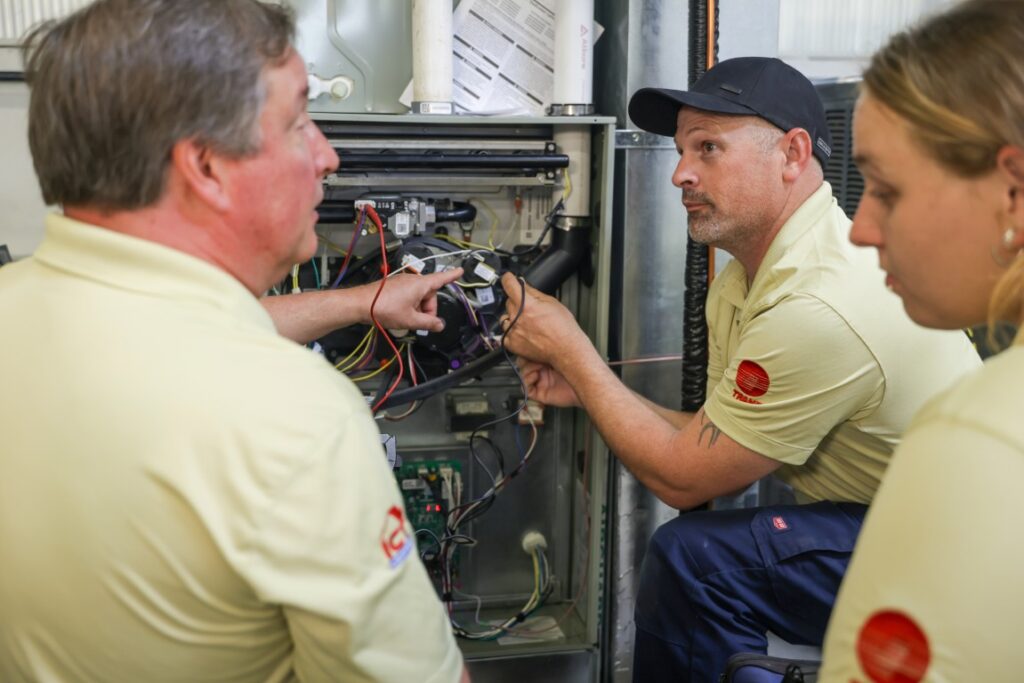
A thorough furnace maintenance visit should test safety, check performance, and record what the tech found. The table below shows what separates a real inspection from a quick one.
Checklist Item | Why It Matters in Rentals | Quick Visit | Thorough Visit |
Carbon monoxide and combustion check | Protects tenants and your liability | Often skipped | Tested and recorded |
Heat exchanger inspection | Cracks can leak CO into the unit | Visual glance | Close inspection with notes |
Flue and venting check | Shared or stacked vents can back up | Rarely checked | Checked for blockages and draft |
Igniter and flame sensor | Top causes of no-heat calls | Sometimes | Cleaned and tested |
Filter replacement | Dirty filters strain the blower | Yes | Yes, with size recorded for next time |
Blower motor and wiring | Prevents mid-winter breakdowns | Rarely | Amp draw measured |
Thermostat test | Tenants often blame the furnace | Sometimes | Calibrated and tested |
Condensate drain (high-efficiency units) | Clogs shut systems down | Often missed | Flushed and cleared |
Written report per unit | Builds your service history | No | Yes |
Why the written report matters most
That last row is the one most managers overlook. A per-unit report turns a one-time service into a long-term plan. Next year, you’ll know which units had weak flame sensors, which blowers were pulling high amps, and which systems are 20 years old and living on borrowed time.
That’s how you build a capital budget that doesn’t rely on guesswork.
Repair or Replace? The Question That Costs Managers the Most
Here’s where things can get frustrating. You bring in a company to service 40 units, and suddenly you’re handed quotes to replace 15 furnaces.
Are they all really failing? Maybe. Maybe not.
The truth is, the person diagnosing the problem is often the same person paid to sell the fix. That doesn’t make every contractor dishonest. But it does mean you should ask good questions.
Questions to ask before you approve any replacement
Ask how old the unit is and what specifically failed. Ask what a repair would cost and how many more years it would likely buy. Ask whether the issue is the furnace itself or something around it, like ductwork, venting, or a bad thermostat.
A good tech will give you straight answers. Sometimes a $300 repair buys three more solid years, and that’s the right call for your budget. Other times, a cracked heat exchanger means the furnace has to go, and there’s no safe way around it.
The exception is when you have a cluster of same-age units all showing wear. In that case, planning a phased replacement over two or three years can save money and avoid a wave of failures all at once.
Watch out for oversized replacements
One more thing. In apartments and condos, furnaces are often oversized for the space. An oversized furnace short-cycles. It turns on and off too fast, wears out parts early, and leaves tenants with uneven heat.
If you do replace, make sure the contractor runs a load calculation for the unit. It’s the engineering way to size a system right instead of just swapping in the same box that was there before.
How Indoor Comfort Team Takes the Headache Out of Building-Wide Service
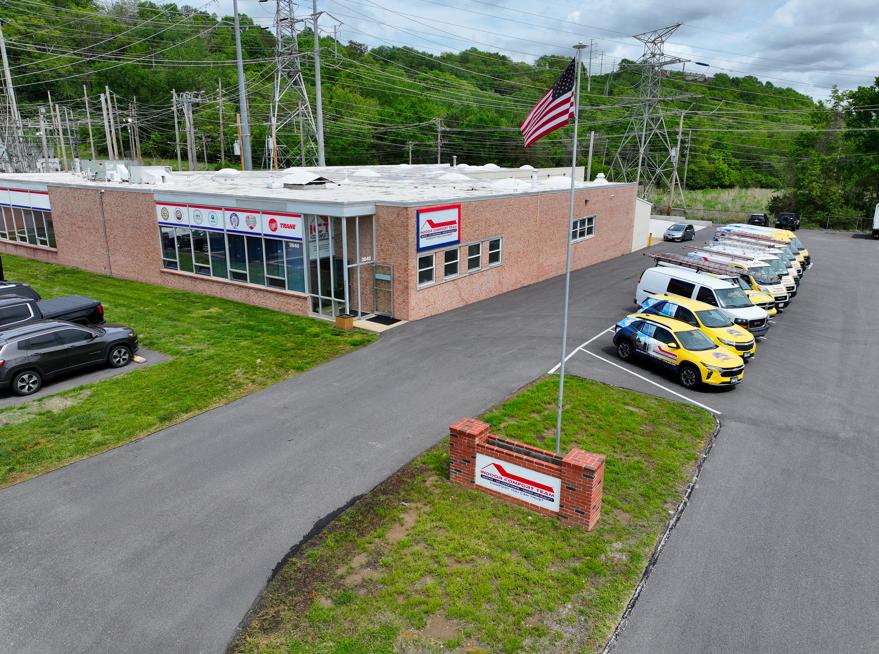
At Indoor Comfort Team, we’ve been servicing St. Louis since 1979. Our owner, Adam Rahmanovich, trained in mechanical engineering, and that shapes how we work. We diagnose first. We explain what we found. And we’ll tell you when a repair is all you need.
For property managers, that honesty matters even more. You’re not making one decision. You’re making dozens, often with an owner looking over your shoulder. You need numbers you can trust.
Our technicians are background-checked, NATE-certified, and trained through our in-house certification program. We don’t use subcontractors, so the people who show up at your building work for us. Many have been with Indoor Comfort Team for years, and that continuity means they get to know your properties.
We also serve both sides of the river, from our Kirkwood headquarters to Belleville and the Metro East. If your portfolio spans Missouri and Illinois, you can work with one team instead of juggling two vendors.
Want to get your buildings on the calendar before the rush? Schedule furnace maintenance with Indoor Comfort Team and ask about grouping your units into dedicated service days.
Frequently Asked Questions
How often should rental units get furnace maintenance?
Once a year is the standard, ideally in late summer or early fall. Units with heavy use, older equipment, or pets may benefit from a second filter check mid-winter. The goal is catching small problems before the cold makes them urgent.
How long does furnace maintenance take per unit?
A thorough tune-up usually takes 45 to 90 minutes per unit, depending on the system type and its condition. When units are grouped in one building and access is lined up ahead of time, a crew can move through them much faster than scattered single visits.
What should I do about tenants who won’t provide access?
Send written notice following your lease terms and local rules, then follow up a day before. Schedule a backup date for missed units. Skipped units are the ones most likely to fail first, so it’s worth the extra effort.
Can furnace maintenance lower my replacement costs?
Yes, in two ways. Regular service extends equipment life by keeping parts clean and catching wear early. It also gives you per-unit records, so you can plan replacements over several years instead of facing surprise failures in January.
Stay Ahead of the Freeze, Not Behind It
Building-wide furnace maintenance doesn’t have to be a scramble. Start booking in late summer. Batch your units by building. Hand your contractor a clean unit list. And insist on a real inspection with written notes for every system.
Most of all, work with people who give you the honest answer, even when it’s the smaller ticket.
When that first cold night hits, you want a quiet phone, not a full voicemail box. Indoor Comfort Team can help you get there. Call (314) 230-9542 or visit our website to plan your building’s service days today.